2024

When businesses handle card payments, they need to follow PCI DSS rules to keep data safe. The rules depend on factors like how many transactions you process and the type of business you run. These are split into PCI compliance levels that guide what you need to do.
Cyber Security

Is Your Business PCI Compliance Certified? Donโ€™t Risk It!

Is Your Business PCI Compliance Certified? Donโ€™t Risk It! When businesses handle card payments, they need to follow PCI DSS rules to keep data safe. The rules depend on factors like how many transactions you process and the type of business you run. These are split into PCI compliance levels that guide what you need to do. Onsecc makes PCI compliance simple by providing the tools and expertise to keep your payment systems secure. With the latest PCI DSS 4.0 updates, staying compliant is easier while keeping cardholder data protected. Compliance isn’t just a rule, it’s a way to build trust and keep payments secure. In This Article: What Is PCI Compliance? What Is PCI DSS? Why Does PCI Compliance Matter? The Four PCI DSS Compliance Levels What Are the PCI DSS Requirements? PCI DSS 4.0: Whatโ€™s New? PCI DSS Certification How Much Does PCI DSS Certification Cost? PCI Compliance Services: Should You Outsource? Common PCI DSS Compliance Mistakes to Avoid Wrapping It All Up Free Assessment Check our Services: https://onsecc.com/services/ What Is PCI Compliance? If your business deals with credit card payments, youโ€™ve probably heard the term “PCI compliance” floating around. But what exactly does it mean? In simple terms, PCI compliance is a set of security standards that any company handling payment card information must follow. These standards, known as the Payment Card Industry Data Security Standard (PCI DSS), are designed to protect cardholder data from theft and fraud. Whether you’re a small e-commerce shop or a large corporation, following these rules is essential to keep your customersโ€™ sensitive information safe. And itโ€™s not just about doing the right thingโ€”there are serious consequences for not meeting PCI compliance requirements, including hefty fines, increased transaction fees, and even loss of business trust. What Is PCI DSS? Letโ€™s dive a little deeper into the Payment Card Industry Data Security Standard (PCI DSS). PCI DSS is a global set of security rules put in place by major credit card companies like Visa, MasterCard, and American Express. These rules ensure that businesses take necessary steps to protect credit card data during and after a transaction. Originally launched in 2006, PCI DSS has evolved over the years to keep up with the changing landscape of cyber threats. The latest version, PCI DSS 4.0, introduces more flexibility and new ways to combat modern cyberattacks. Why Does PCI Compliance Matter? PCI compliance isnโ€™t just a box to check offโ€”itโ€™s about safeguarding your customers and your business. Cybersecurity is a big concern today, and data breaches are becoming more common. Non-compliance puts businesses at risk of exposing sensitive cardholder data, which could lead to financial losses, legal issues, and a damaged reputation. By being PCI compliant, your business is taking the steps necessary to reduce these risks. It shows your customers that you value their privacy and are doing everything you can to keep their payment information safe. Plus, it’s mandatory if you want to continue accepting credit card payments. The Four PCI DSS Compliance Levels One size doesnโ€™t fit all when it comes to PCI DSS. The requirements your business needs to meet depend on how many card transactions you process annually. There are four levels of PCI DSS compliance, each with its own set of guidelines: Level 1 โ€“ This level is for businesses processing more than 6 million transactions per year. Youโ€™ll need to complete an annual on-site audit by a Qualified Security Assessor (QSA) and submit a Report on Compliance (ROC). Level 2 โ€“ If your business processes between 1 million and 6 million transactions annually, you fall into this category. Youโ€™ll need to fill out a Self-Assessment Questionnaire (SAQ) and may have to perform quarterly security scans. Level 3 โ€“ For companies handling 20,000 to 1 million e-commerce transactions, this level requires you to complete an SAQ and possibly conduct quarterly vulnerability scans. Level 4 โ€“ Businesses processing fewer than 20,000 e-commerce transactions or up to 1 million card-present transactions fall into this group. Like Level 3, youโ€™ll need to fill out an SAQ and are encouraged to take additional security measures. What Are the PCI DSS Requirements? The PCI DSS requirements include 12 key steps that every business must follow to achieve compliance. Donโ€™t worryโ€”they sound more complicated than they actually are. Hereโ€™s a simplified breakdown: Install and maintain a firewall to protect cardholder data. Use strong passwords and donโ€™t use vendor-supplied defaults. Protect stored cardholder data. Encrypt cardholder data when transmitting it over open, public networks. Keep antivirus software up to date. Develop and maintain secure systems and applications. Restrict access to cardholder data based on a need-to-know basis. Assign unique IDs to each person who accesses the system. Restrict physical access to cardholder data. Monitor all access to network resources and cardholder data. Regularly test security systems and processes. Maintain a policy that addresses information security for employees. These steps may seem daunting, but theyโ€™re designed to create a secure payment environment and protect your customers’ sensitive information. Plus, following these rules will help you avoid any potential security breaches that could cost your business in the long run. PCI DSS 4.0: Whatโ€™s New? In March 2022, PCI DSS 4.0 was released, marking the latest version of these security standards. So, whatโ€™s new with this update? The biggest change is more flexibility for businesses in how they meet certain requirements. For instance, you can now use different types of authentication technologies as long as they meet security objectives. This makes it easier for businesses to tailor their security practices without compromising cardholder data. PCI DSS 4.0 also puts more focus on continuous security, encouraging businesses to monitor security controls throughout the year rather than just during audits. This shift reflects the reality that cybersecurity threats are always evolving, and a “set it and forget it” mentality is no longer enough. PCI DSS Certification Many companies work toward PCI DSS certification to prove they meet all the necessary requirements. Certification is not only a mark of trust but
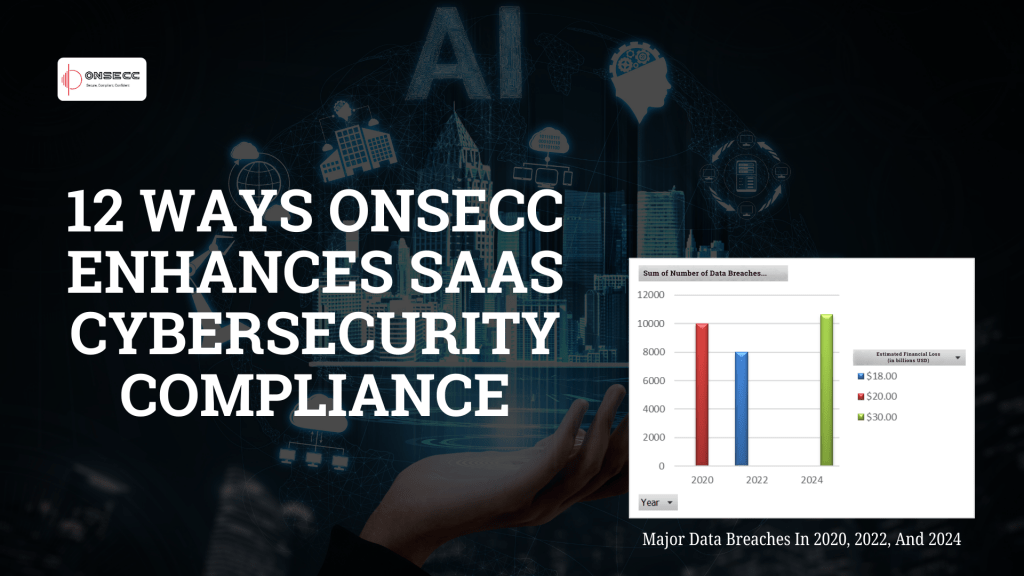
12 Ways Onsecc Enhances SaaS Cybersecurity Compliance
Cyber Security

12 Ways Onsecc Enhances SaaS Cybersecurity Compliance

12 Ways Onsecc Enhances SaaS Cybersecurity Compliance With the growing reliance on cloud-based solutions, the Software-as-a-Service (SaaS) model has transformed how businesses operate. From email platforms to enterprise resource planning systems, SaaS solutions provide a flexible, cost-effective approach to managing software. Yet, as businesses migrate more critical operations to SaaS, ensuring cybersecurity compliance becomes increasingly complex. Compliance isnโ€™t just about meeting regulatory demands; itโ€™s a matter of safeguarding business integrity and protecting sensitive data from potential threats. Effective cybersecurity in the SaaS environment demands continuous attention to access control, data protection, monitoring, and timely updates. While many vendors offer solutions that focus on these aspects, Onsecc. stands out with its distinctive approach to addressing the key challenges of cybersecurity compliance in the SaaS ecosystem. In This Article: Understanding the Complexity of Cybersecurity Compliance for SaaS Key Challenges in Cybersecurity Compliance for SaaS How Onsecc Simplifies Cybersecurity Compliance for SaaS Why Onsecc Stands Out Conclusion Understanding the Complexity of Cybersecurity Compliance for SaaS Ensuring cybersecurity compliance for SaaS applications goes beyond simply maintaining firewalls or encrypting data. SaaS compliance refers to adhering to a series of legal, regulatory, and industry standards that ensure the security of data managed within SaaS applications. These regulations vary across different industries and regions, making the process multifaceted and often demanding. Some essential components of cybersecurity compliance in SaaS include: Data Protection Laws: Regulations such as GDPR, HIPAA, and CCPA require companies to safeguard personally identifiable information (PII) and ensure it is stored, processed, and transferred securely. Access Controls: SaaS platforms must enforce strict access controls to prevent unauthorized users from accessing sensitive information. Encryption: Strong encryption protocols are essential for protecting data both in transit and at rest. Continuous Monitoring and Auditing: Regular monitoring and auditing processes are necessary to detect potential vulnerabilities and ensure ongoing compliance. Vendor Management: When utilizing third-party SaaS providers, organizations must ensure that vendors meet security and compliance standards. Incident Response: Organizations must be prepared with an efficient incident response plan in case of a data breach or other security incidents. The nature of SaaS solutions can sometimes create a false sense of security, with companies mistakenly believing that because their software resides in the cloud, the responsibility for securing the environment lies entirely with the vendor. While SaaS providers take steps to secure the platform, users also need to implement specific practices to ensure complete security and compliance. Key Challenges in Cybersecurity Compliance for SaaS Diverse Regulations Across Regions and Industries: Each country or industry may impose different requirements for handling data. For example, businesses handling healthcare data need to comply with HIPAA in the U.S., while those with customers in the EU must comply with GDPR. Navigating through these varying standards can be challenging. Access Control Issues: In a SaaS environment, where remote workforces and third-party integrations are the norm, controlling access can be difficult. Misconfigured access controls can allow unauthorized users to access sensitive data, leading to potential breaches. Shared Responsibility Model: SaaS security often follows a shared responsibility model, where the service provider handles infrastructure security while the client is responsible for data and application security. This division can create gaps if the responsibilities are not clearly defined. Third-Party Risk: Using SaaS often involves integrating various third-party tools. These integrations can be a source of vulnerability if the connected applications are not secure. Lack of Visibility and Control: Companies may struggle to maintain visibility over their data once it is stored in the cloud, making it harder to detect and respond to potential threats in real-time. How Onsecc Simplifies Cybersecurity Compliance for SaaS Founded in 2017, Onsecc Pvt. Ltd. has quickly established itself as a global leader in cybersecurity services, particularly in Vulnerability Assessment and Penetration Testing (VAPT). Onsecc focuses on human-intelligence-based security testing, ensuring that organizations are not only compliant with regulations but also safeguarded against real-world threats. Hereโ€™s why Onsecc is a preferred partner for SaaS cybersecurity compliance. 1. Expertise in Vulnerability Assessment and Penetration Testing (VAPT) Onsecc specializes in identifying vulnerabilities across web applications, mobile platforms, IoT, and network environments. Their expertise in VAPT helps SaaS providers and users understand the vulnerabilities in their systems before they can be exploited. Onseccโ€™s proprietary testing methodologies provide a higher degree of accuracy, ensuring that all potential weaknesses are addressed. Regular vulnerability assessments and penetration tests are crucial in ensuring that your SaaS applications remain secure, even as new threats emerge. By leveraging Onseccโ€™s highly experienced VAPT team, organizations can be proactive in maintaining compliance with cybersecurity standards. 2. Tailored Solutions for Specific Compliance Needs Different industries have different compliance requirements. Onsecc understands the specific challenges faced by sectors such as healthcare, finance, and telecommunications, and offers tailored VAPT solutions to address their unique regulatory needs. Whether itโ€™s ensuring compliance with GDPR, HIPAA, PCI-DSS, or SOC 2, Onsecc helps businesses navigate the complexities of regulatory frameworks. 3. Proactive Threat Detection and Response Onseccโ€™s human-intelligence-based approach ensures proactive identification of threats and vulnerabilities that automated tools might miss. This includes misconfigurations in SaaS applications, weak access controls, and data leaks that could lead to non-compliance or security breaches. Their approach helps organizations implement robust incident response plans to mitigate the impact of any breach or violation. 4. Continuous Compliance Monitoring and Auditing Ensuring compliance isnโ€™t a one-time activity. Onsecc offers continuous monitoring and auditing services to help businesses remain compliant over time. This involves regularly testing controls, updating policies, and performing audits to ensure all compliance requirements are met. Onseccโ€™s approach ensures that as new regulations emerge, companies can adapt without compromising their security posture. 5. Advanced Access Control Measures Misconfigured access controls present a significant security risk in SaaS environments. With increasing amounts of sensitive data stored in cloud applications, robust access control measures are essential to ensuring that only authorized personnel can access specific resources. Onsecc addresses this by helping businesses implement strict role-based access controls (RBAC), ensuring that individuals can only interact with data and applications necessary for their job functions. This minimizes

Practical Insights into Implementing ISO/IEC 27001:2022
Cyber Security

Practical Insights into Implementing ISO/IEC 27001:2022

Practical Insights into Implementing ISO/IEC 27001:2022 Would you wonder if Implementing ISO/IEC 27001:2022 can be a straightforward process when approached with the right understanding and tools? This Onseccโ€™s article provides a practical perspective on what the standard entails, focusing on real-world application within organizations. In this Article: ISO/IEC 27001:2022 Overview Certification Types Key Terminology Implementation Steps Project Management and Documentation Risk Management and Control Implementation Internal Audit and Certification Preparation Conclusion Free Assessment ISO/IEC 27001:2022 Overview ISO/IEC 27001:2022 is an international standard that specifies the requirements for establishing, implementing, maintaining, and continually improving an Information Security Management System (ISMS). This standard covers both cybersecurity and information security, providing a framework for organizations to manage and protect their information assets. The standard is divided into clauses, specifically Clauses 4 to 10, which outline the mandatory requirements for organizations. These clauses must be followed regardless of the business type. Additionally, the standard includes an annexure that details 93 security controls organized into four categories: organizational, people, physical, and technological. When navigating the complexities of ISO/IEC 27001:2022, having a reliable partner like Onsecc can make all the difference. Onsecc specializes in guiding organizations through the intricate process of implementing and maintaining an effective ISMS, ensuring that every aspect of the standard is met with precision and confidence. Certification Types ISO/IEC 27001:2022 offers certifications for both individuals and organizations. Organizations can obtain certification to demonstrate that they have implemented the standard’s requirements. On the individual level, certifications are available for auditors, who assess compliance, and implementers, who apply the standard within the organization. Key Terminology When working with ISO/IEC 27001:2022, it’s crucial to differentiate between documents, specifications, and records: Documents: Broad category that includes any information stored in any medium, such as policies and procedures. Specifications: Specific documents that lay out precise requirements, such as the minimum password length and complexity. Records: Evidence that specific actions have been taken, such as logs of access to data. These distinctions are essential during audits, where records are reviewed to confirm that specifications have been met. Implementation Steps Implementing ISO/IEC 27001:2022 in an organization involves several key steps, beginning with obtaining management commitment. This is a critical step to ensure that the project has the necessary resources and support. The process typically starts with a project initiation phase, where a project manager is appointed, and a project charter is drafted. This charter outlines the scope, objectives, and roles and responsibilities within the project. Management’s commitment is formalized through a signed project charter, which is essential before moving forward. Project Management and Documentation Effective project management is vital for successful implementation. One of the tools used is a Gantt chart, which helps track the progress of various activities, such as management awareness sessions, scope definition, and risk assessment. Each activity should be documented with start and end dates, responsible parties, and progress percentages. For instance, defining the ISMS scope is an early task that determines the boundaries of the certification process. It’s important to understand the organization’s context, including internal and external issues, before conducting a gap assessment. The scope may vary depending on the organization’s locations and operations. Partnering with Onsecc means you gain access to expert support at every stage of your ISO/IEC 27001:2022 journey. From initial risk assessments to developing custom security controls, Onseccโ€™s team of seasoned professionals is dedicated to helping you achieve certification efficiently and effectively, minimizing disruptions to your operations. Risk Management and Control Implementation After defining the scope, the next step is to identify risks and develop a risk management process. This involves conducting a risk assessment, creating a statement of applicability, and selecting appropriate controls. The statement of applicability lists all the controls required by the organization and identifies any that are not applicable. Onsecc brings deep expertise in cybersecurity and compliance, making it an ideal partner for organizations striving to meet the stringent requirements of ISO/IEC 27001:2022. Our comprehensive approach ensures that your ISMS not only meets the standard but is also tailored to your specific business needs, enhancing your overall security posture. Once the controls are selected, they must be implemented and supported by policies and procedures. Training and awareness sessions are conducted to ensure that all employees understand their roles in maintaining information security. Loadingโ€ฆ Internal Audit and Certification Preparation Before seeking external certification, it’s essential to conduct an internal audit to identify and address any non-conformities. Continuous improvement should be a focus throughout the project, with regular monitoring and review of the ISMS. Beyond achieving certification, Onsecc works with you to embed a culture of continuous improvement within your organization. We help you leverage the principles of ISO/IEC 27001:2022 to continually refine and strengthen your information security practices, keeping you ahead of emerging threats and regulatory changes. To prepare for the certification audit, it’s beneficial to explain the entire process to the client, including each step from initiation to certification. This transparency builds trust and ensures that the client is well-informed about what to expect. Conclusion Implementing ISO/IEC 27001:2022 is a structured process that requires careful planning, documentation, and management support. By following the steps outlined above, organizations can effectively build and maintain an ISMS that meets international standards and enhances their information security practices. Choosing Onsecc as your ISO/IEC 27001:2022 partner means placing your trust in a company committed to excellence. With a track record of success across various industries, Onsecc stands by your side, providing the tools, knowledge, and support needed to not only achieve compliance but to sustain it over the long term. Book A Free Call Contact info 3rd Floor, 86-90 Paul Street, London, EC2A 4NE, UK +44-2034880245 hello@onsecc.com Free Assessment Meet Author Shubham Pandey Linkedin-in Share Blog On Linkedin-in Google-plus-g Recent Posts: Strategies to Enhance Cybersecurity for Business Impact of Cybersecurity Breaches on Compliance Status The Most Frequent HIPAA Violations in 2024 and How to Prevent Them 10 Essential Regulatory Compliance Tips Every Business Owner Must Know The Impact of Data Breaches: Insights from Recent Years and the Role of

Impact of Cybersecurity Breaches on Compliance Status Onsecc
Cyber Security

Impact of Cybersecurity Breaches on Compliance Status

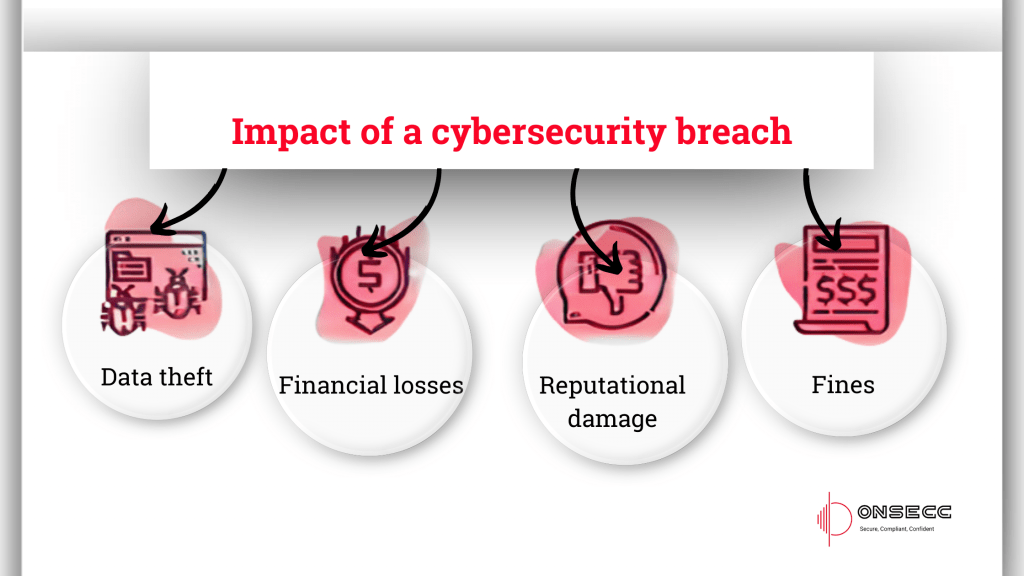
Impact of Cybersecurity Breaches on Compliance Status Imagine waking up to find that a cybersecurity breach has compromised your company’s sensitive data, exposing you to severe legal and financial repercussions. For CEOs, IT managers, and compliance officers, the challenge of maintaining strong security while meeting stringent regulations can be daunting. This article explores the critical impact of cybersecurity breaches on compliance status, uncovering the severe repercussions organizations face and offering actionable insights to protect your data and reputation. Read on to learn how you can address these challenges and shield your business from the devastating consequences of non-compliance. In This Article: Understanding Cybersecurity Breaches The Repercussions of Non-Compliance Types of Cybersecurity Breaches Key Regulations and Standards Conclusion Free Assessment Understanding Cybersecurity Breaches A cybersecurity breach occurs when unauthorized individuals gain access to an organization’s computer systems or data. This access can be accidental or intentional, and the compromised data often includes sensitive information such as personal data, financial information, intellectual property, and trade secrets. The Importance of Compliance in Cybersecurity Cybersecurity compliance involves adhering to a set of regulations and standards established by governing bodies or industry-specific organizations. These regulations aim to protect sensitive information and ensure data privacy. Compliance is vital for organizations of all sizes, as it helps to: Reduce cyber risks and minimize the likelihood of data breaches. Show a commitment to data security and build trust with customers and stakeholders. Avoid legal and financial repercussions associated with non-compliance. The Connection Between Cybersecurity Breaches and Compliance Status A cybersecurity breach can significantly impact an organization’s compliance status. If a breach exposes sensitive data due to inadequate security measures, it can be considered a violation of compliance regulations. This can lead to a range of consequences, including fines, penalties, lawsuits, and reputational damage. The Repercussions of Non-Compliance Non-compliance with cybersecurity regulations can have severe repercussions. These include: Financial Penalties Regulatory bodies can impose significant fines on organizations that fail to comply with data protection and security standards. For example, under the GDPR, organizations can face fines up to โ‚ฌ20 million or 4% of their annual global turnover, whichever is higher. Legal Action Data breaches can lead to lawsuits from affected individuals or regulatory bodies. These lawsuits may allege negligence, breach of contract, or violation of privacy rights. Reputational Damage Public exposure of a breach can severely damage an organization’s reputation. Customers and business partners may lose trust in the organization’s ability to protect their data, leading to a loss of business and brand loyalty. Types of Cybersecurity Breaches Cybersecurity breaches can cripple an organization, leading to massive financial losses, legal troubles, and irreparable reputational damage. Dive into this section to uncover the various types of breaches and learn how they exploit vulnerabilities, so you can protect your business and avoid becoming the next victim of a devastating attack. Common Types of Cybersecurity Breaches Malware Attacks: Malicious software, or malware, can be installed on a system through phishing emails, infected websites, or removable media. Once installed, malware can steal data, disrupt operations, or render systems unusable. Phishing Attacks: These attacks trick users into revealing sensitive information, such as usernames, passwords, or credit card details. They often involve emails or websites that appear legitimate but are designed to steal information. Ransomware Attacks: Ransomware encrypts a victim’s files, rendering them inaccessible. Attackers then demand a ransom payment in exchange for a decryption key. Data Leaks: Data leaks can occur accidentally or intentionally. Accidental leaks happen due to human error, such as misconfigured systems or sending sensitive information to the wrong recipient. Intentional leaks can be carried out by disgruntled employees, malicious actors, or through cyber espionage. Loadingโ€ฆ Importance of Compliance in Cybersecurity Imagine your organization as a stronghold, strengthened by stringent regulations and standards designed to fend off cyber threats. Compliance in cybersecurity is akin to constructing sturdy defences and implementing watchful sentinels, ensuring that your sensitive data remains protected from the relentless assault of cybercriminals. In today’s interconnected world, compliance goes beyond mere adherence to rules; it embodies a proactive approach to safeguarding valuable assets. By following established regulations set forth by governing bodies and industry leaders, organizations not only mitigate cyber risks but also cultivate trust among customers and stakeholders. These standards serve as a blueprint for implementing robust data protection measures, ensuring that every aspect of your cybersecurity strategy is fortified against potential breaches. Embracing cybersecurity compliance isn’t just a matter of regulatory adherence; it’s a strategic imperative that strengthens your organization’s defences, instils confidence in your stakeholders, and shields your reputation from the damaging effects of non-compliance. By prioritizing compliance, organizations pave the way for resilient cybersecurity frameworks that stand firm against the evolving challenges of cyber threats. Key Regulations and Standards Prominent Examples General Data Protection Regulation (GDPR): This regulation in EU law on data protection and privacy in the European Union (EU) and the European Economic Area (EEA) also addresses the transfer of personal data outside these areas. The GDPR aims to give control to individuals over their personal data and simplify the regulatory environment for international business by unifying the regulation within the EU. Health Insurance Portability and Accountability Act (HIPAA): HIPAA mandates the privacy and security of certain health information. It applies to healthcare providers, health plans, and healthcare clearinghouses. HIPAA requires these entities to implement appropriate safeguards to protect covered health information. Payment Card Industry Data Security Standard (PCI DSS): This is an information security standard for organizations that handle cardholder information. It is mandated by major credit card brands and administered by the PCI Security Standards Council. The PCI DSS outlines controls that organizations must implement to ensure the confidentiality, integrity, and availability of cardholder data. Direct Impact of Cybersecurity Breaches on Compliance Status A cybersecurity breach can have a significant and immediate impact on an organization’s compliance status. Here’s a breakdown of the consequences: Immediate Legal and Regulatory Consequences Regulatory bodies can impose significant fines on organizations that fail to adequately protect personal data or violate compliance regulations due

Regulatory compliance | Onsecc
Cyber Security

10 Essential Regulatory Compliance Tips Every Business Owner Must Know

10 Essential Regulatory Compliance Tips Every Business Owner Must Know Regulatory compliance is a critical aspect for businesses, ensuring that operations align with laws, regulations, and standards set by governing bodies. Navigating these requirements can be challenging, but it is essential for maintaining business integrity and avoiding severe penalties. In This Article: Introduction Understanding Regulatory Compliance Benefits of Compliance Conclusion Incorporating statistics and data Free Assessment Introduction Regulatory compliance refers to an organizationโ€™s adherence to laws, regulations, guidelines, and specifications relevant to its business operations. Compliance ensures that companies operate within the legal framework and uphold standards set by regulatory bodies. The importance of regulatory compliance spans across various industries, from healthcare and finance to technology and manufacturing. Non-compliance can lead to severe consequences, including legal penalties, financial losses, and reputational damage. This article covers ten essential tips every business owner must know to navigate the complex landscape of regulatory compliance effectively. Understanding Regulatory Compliance Regulatory compliance involves understanding and adhering to a set of regulations and standards applicable to a business. These regulations are designed to protect public interest, ensure fair practices, and maintain ethical standards within industries. Importance of Compliance Compliance is crucial for maintaining operational efficiency and public trust. It ensures that businesses operate within legal boundaries and uphold ethical standards. Compliance also helps in avoiding legal penalties and financial repercussions. Common Compliance Challenges Businesses often face challenges such as understanding complex regulations, keeping up with regulatory changes, and implementing effective compliance management systems. These challenges can hinder compliance efforts and increase the risk of non-compliance. Benefits of Compliance Adhering to compliance regulations offers several benefits, including legal protection, enhanced reputation, operational efficiency, and trust with customers and stakeholders. Compliance also minimizes risks and helps in maintaining a competitive edge. 1. Understand the Specific Regulations for Your Industry Understanding the regulations specific to your industry is the first step towards compliance. Each industry has unique regulatory requirements, and it’s crucial to identify and understand them thoroughly. Identify relevant regulations (e.g., GDPR for data protection, HIPAA for healthcare) Determine specific requirements for compliance Regularly update your knowledge on regulatory changes 2. Implement a Compliance Management System A compliance management system helps in systematically managing compliance efforts. It ensures that all regulatory requirements are met efficiently. Key components of a compliance management system include policies, procedures, and controls Benefits of using compliance management software include automation, efficiency, and accuracy Steps to implement a compliance management system involve planning, execution, monitoring, and continuous improvement Loadingโ€ฆ 3. Conduct Regular Compliance Audits Regular audits help in identifying and rectifying compliance issues. They ensure that the business adheres to all regulatory requirements. Importance of compliance audits: they identify gaps and areas for improvement Steps to conduct an effective compliance audit: planning, execution, reporting, and follow-up Frequency of audits: regular intervals, typically annually or semi-annually, depending on industry requirements 4. Train Employees on Compliance Requirements Employee training ensures that everyone is aware of compliance requirements. A well-informed workforce is crucial for maintaining compliance. Topics to cover in training sessions: regulatory requirements, company policies, and procedures Methods of delivering training: in-person sessions, online courses, and workshops Assessing the effectiveness of training: through quizzes, feedback, and performance assessments 5. Develop Clear Compliance Policies and Procedures Clear policies and procedures provide a framework for maintaining compliance. They guide employees on how to comply with regulatory requirements. Essential elements of compliance policies: purpose, scope, responsibilities, and procedures How to document procedures effectively: use clear and concise language, including step-by-step instructions Ensuring policies are accessible to all employees: through an internal portal or manual 6. Monitor and Report Compliance Activities Continuous monitoring and reporting help in maintaining compliance. They ensure that all activities are aligned with regulatory requirements. Tools and techniques for monitoring compliance: software solutions, regular checks, and audits Importance of reporting in compliance management: transparency and accountability Key metrics to track: compliance rates, incidents, and corrective actions 7. Engage with Regulatory Experts Engaging with experts can provide valuable insights and guidance. They help in understanding complex regulations and implementing effective compliance strategies. Benefits of consulting with regulatory experts: expertise, experience, and up-to-date knowledge Types of regulatory experts to engage: consultants, legal advisors, and industry specialists How to choose the right expert for your business: based on their experience, reputation, and alignment with your business needs 8. Implement Strong Data Protection Measures Data protection is a crucial aspect of regulatory compliance. Protecting sensitive information is essential for maintaining trust and avoiding legal issues. Best practices for data protection: encryption, access controls, and regular backups Tools and technologies for data security: firewalls, antivirus software, and intrusion detection systems Legal implications of data breaches: financial penalties, legal action, and reputational damage 9. Stay Updated on Regulatory Changes Regulations are constantly evolving, so staying updated is essential. Keeping abreast of changes ensures that your compliance program remains effective. Sources of regulatory updates: government websites, industry associations, and regulatory bodies How to integrate updates into your compliance program: review and revise policies, train employees, and update compliance management systems Importance of proactive compliance management: it helps in anticipating and preparing for regulatory changes 10. Conduct Risk Assessments Regularly Risk assessments help in identifying potential compliance issues. They ensure that risks are managed proactively and effectively. Steps to conduct a risk assessment: identify risks, analyze their impact, and develop mitigation strategies Tools for risk assessment: risk assessment software, checklists, and templates How to mitigate identified risks: implement controls, monitor their effectiveness, and review regularly Conclusion Regulatory compliance is essential for every business, ensuring that operations align with laws and standards set by regulatory bodies. By understanding specific regulations, implementing a compliance management system, conducting regular audits, training employees, and staying updated on regulatory changes, businesses can maintain compliance effectively. Proactive compliance management not only helps in avoiding legal penalties but also enhances operational efficiency and public trust. Incorporating statistics and data: According to a recent study, businesses that maintain strong compliance programs reduce their risk of regulatory fines by up to 50%.

Silo Mentality | Cybersecurity Compliance | Onsecc
Cyber Security

The Hidden Costs of Silo Mentality: Why Collaboration is Key to Effective Cybersecurity Compliance

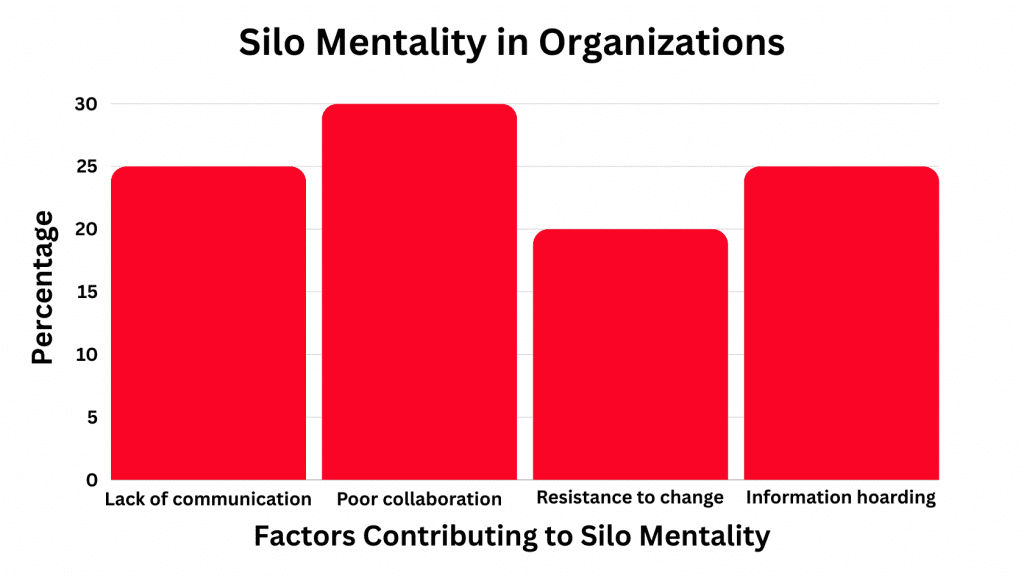
The Hidden Costs of Silo Mentality: Why Collaboration is Key to Effective Cybersecurity Compliance Silo mentality within organizations erects invisible walls, hindering information sharing and creating blind spots in cybersecurity. This lack of collaboration leaves organizations vulnerable to sophisticated cyberattacks and exposes them to compliance gaps. This article delves into the hidden costs of siloed work environments, including increased vulnerabilities, compliance gaps, and inefficient incident response. In This Article: What is Silo Mentality and How Does it Threaten Your Cybersecurity? Understanding Silo Mentality in Cybersecurity The Hidden Costs of Silo Mentality in Cybersecurity Compliance The Role of Collaboration in Effective Cybersecurity Compliance 7 Ways to Break Down Silos and Build a Collaborative Cybersecurity Culture Early Warning Signs of Silo Mentality in Your Organization The Benefits of Overcoming Silo Mentality for Cybersecurity Onsecc: Your Partner in Building a Collaborative Cybersecurity Culture Conclusion: Breaking Down Silos for a More Secure Tomorrow Free Assessment Visit Now: Explore our extended range of services to enhance your business’s capabilities and success. What is Silo Mentality and How Does it Threaten Your Cybersecurity? In today’s rapidly evolving digital landscape, cybersecurity compliance is a top priority for organizations across the globe. With cyber threats becoming more sophisticated and prevalent, it is crucial for companies to implement robust security measures to protect their sensitive data and ensure regulatory compliance. However, one of the key challenges that many organizations face in achieving effective cybersecurity compliance is the presence of silo mentality within their teams. Understanding Silo Mentality in Cybersecurity Silo mentality refers to the mindset where different departments or teams within an organization operate in isolation, with limited communication and collaboration. In the context of cybersecurity, silo mentality can manifest in various ways, such as: Limited Information Sharing: When different departments, such as IT, security, and compliance, operate in silos, there is a lack of information sharing and coordination. This can lead to gaps in security measures, as critical information related to cyber threats may not be effectively communicated across the organization. Lack of Cross-Functional Collaboration: Effective cybersecurity compliance requires collaboration between various departments, including IT, legal, compliance, and risk management. When these departments work in silos, there is a risk of overlooking critical security vulnerabilities and compliance requirements. Duplication of Efforts: Silo mentality can also result in duplication of efforts, with different teams working on similar tasks independently. This not only wastes resources but also increases the risk of inconsistencies in security controls and compliance practices. The Hidden Costs of Silo Mentality in Cybersecurity Compliance While silo mentality may seem like a minor issue, its impact on cybersecurity compliance can be significant. Here are some of the hidden costs associated with silo mentality in cybersecurity: Increased Vulnerabilities: When different teams within an organization operate in silos, there is a higher risk of overlooking vulnerabilities in the network, applications, and systems. This can leave the organization exposed to cyber threats, leading to data breaches and compliance violations. Compliance Gaps: Silo mentality can result in compliance gaps, where certain departments are not aware of the regulatory requirements that apply to their work. This can lead to non-compliance with laws such as GDPR, HIPAA, or PCI DSS, exposing the organization to legal and financial risks. Inefficient Incident Response: In the event of a cybersecurity incident, such as a data breach or a ransomware attack, an organization’s ability to respond effectively depends on collaboration and communication between different departments. Silo mentality can hamper incident response efforts, delaying containment and mitigation actions. Stifled Innovation: Collaboration is essential for driving innovation in cybersecurity practices and technologies. When teams work in silos, there is limited knowledge sharing and cross-pollination of ideas, stifling innovation and hindering the organization’s ability to stay ahead of cyber threats. Loadingโ€ฆ The Role of Collaboration in Effective Cybersecurity Compliance To address the hidden costs of silo mentality and enhance cybersecurity compliance, organizations must prioritize collaboration across departments and teams. Here are some key ways in which collaboration can improve cybersecurity posture: Shared Threat Intelligence: Collaboration enables the sharing of threat intelligence across different departments, allowing organizations to proactively identify and respond to emerging cyber threats. By pooling their knowledge and resources, teams can create a unified front against cyber attacks. Cross-Functional Training: Training programs that involve employees from various departments can help build a strong cybersecurity culture within the organization. By educating staff on security best practices and compliance requirements, organizations can reduce the risk of human error and improve overall security posture. Integrated Security Controls: Collaboration between IT, security, and compliance teams is essential for implementing integrated security controls that address both security risks and compliance requirements. By working together, teams can ensure that security measures are aligned with regulatory standards and industry best practices. Incident Response Planning: Collaborative incident response planning is crucial for effectively handling cybersecurity incidents. By involving representatives from different departments in incident response exercises and tabletop simulations, organizations can improve their preparedness and resilience in the face of cyber threats. 7 Ways to Break Down Silos and Build a Collaborative Cybersecurity Culture Implementing a collaborative cybersecurity culture requires a concerted effort from leadership and employees at all levels of the organization. Here are some strategies to promote collaboration and break down silos in cybersecurity: Leadership Buy-In: Senior executives, including CEOs, CTOs, and CIOs, must demonstrate a commitment to collaboration and communication across departments. By setting the tone from the top, leadership can foster a culture of teamwork and shared responsibility for cybersecurity. Cross-Functional Teams: Creating cross-functional teams that include members from IT, security, compliance, and other relevant departments can help break down silos and promote collaboration. These teams can work together on key cybersecurity initiatives, such as risk assessments, compliance audits, and incident response planning. Regular Communication: Establishing regular communication channels, such as meetings, updates, and reports, can facilitate information sharing and collaboration among different teams. By keeping all stakeholders informed about cybersecurity developments and compliance requirements, organizations can enhance their overall security posture. Training and Awareness Programs: Providing comprehensive training and awareness programs

๐‚๐ฒ๐›๐ž๐ซ๐ฌ๐ž๐œ๐ฎ๐ซ๐ข๐ญ๐ฒ ๐‘๐ž๐ ๐ฎ๐ฅ๐š๐ญ๐ข๐จ๐ง๐ฌ ๐ข๐ง ๐ญ๐ก๐ž ๐”๐ง๐ข๐ญ๐ž๐ ๐’๐ญ๐š๐ญ๐ž๐ฌ 2024 | Onsecc
Cyber Security

Cybersecurity Regulations in the United States 2024

Cybersecurity Regulations in the United States 2024 Cybersecurity has emerged as a critical concern for governments, businesses, and individuals alike, with the United States taking proactive measures to address cyber threats and protect its citizens’ data. The regulatory landscape surrounding cybersecurity in the U.S. is multifaceted, encompassing federal government initiatives, state-level regulations, and proposed legislative reforms. Let’s delve into the evolution of cybersecurity regulations in the United States and the ongoing efforts to bolster cyber defences. In This Article: Federal Government Regulations State Government Initiatives Cybersecurity Regulations for Businesses Proposed Legislative Reforms Government Collaboration and Initiatives Conclusion Free Assessment Visit Now: Explore our extended range of services to enhance your business’s capabilities and success. Federal Government Regulations The federal government has enacted several key cybersecurity regulations targeting specific industries and government agencies. Among these are: Health Insurance Portability and Accountability Act (HIPAA): Enacted in 1996, HIPAA mandates cybersecurity protections for healthcare organizations to safeguard patients’ sensitive information. Gramm-Leach-Bliley Act: Passed in 1999, this act imposes cybersecurity requirements on financial institutions to protect consumers’ financial data. Homeland Security Act (Including FISMA): Established in 2002, the Homeland Security Act encompasses the Federal Information Security Management Act (FISMA), requiring federal agencies to develop and implement information security policies and standards. While these regulations provide a framework for cybersecurity compliance, they primarily focus on specific sectors and often lack specificity regarding required security measures, leaving room for interpretation. State Government Initiatives State governments have also taken steps to enhance cybersecurity within their jurisdictions. For instance: California’s Security Breach Notification Act: Enacted in 2003, this act requires companies holding personal information of California residents to disclose security breaches, encouraging firms to invest in cybersecurity to protect consumer data. California Assembly Bill 1950: Passed in 2004, this regulation extends cybersecurity requirements to businesses maintaining personal information for California residents, emphasizing the need for a reasonable level of security. These state-level regulations complement federal initiatives and aim to hold companies accountable for cybersecurity lapses while promoting voluntary investments in cybersecurity measures. Loadingโ€ฆ Cybersecurity Regulations for Businesses Cybersecurity threats are evolving faster than ever, leaving many businesses scrambling to keep up. Navigating the complex web of regulations can feel like another hurdle. But fear not! We’re here to help you understand the key regulations impacting your business and make compliance a breeze. Table: Cybersecurity Regulations and Their Impact on Businesses Regulation Industry Focus Key Requirements Impact on Businesses Health Insurance Portability and Accountability Act (HIPAA) Healthcare Secure patient data, implement risk management plans, report breaches Increased costs for data security measures, potential fines for non-compliance Gramm-Leach-Bliley Act (GLBA) Financial Services Protect customer financial data, implement security controls, disclose privacy policies Increased IT infrastructure investments, potential reputational damage from breaches Federal Information Security Management Act (FISMA) Government Contractors Meet specific security standards, report incidents, conduct security assessments Higher bidding costs, potential contract termination for non-compliance California Consumer Privacy Act (CCPA) Businesses collecting CA resident data Disclose data collection practices, offer opt-out options, respond to data requests Increased transparency and data management complexity New York Cybersecurity Regulation (23 NYCRR 5000) Businesses collecting NY resident data Implement data security programs, conduct risk assessments, train employees Requires dedicated resources for data security, potential fines for non-compliance Cybersecurity Regulations and Their Impact on Businesses Table: Common Cybersecurity Threats and Regulatory Compliance Measures: Threat Description Regulatory Requirements Data breaches Unauthorized access or disclosure of sensitive data HIPAA, GLBA, CCPA, 23 NYCRR 5000 require data security measures, breach notification, and incident response plans. Malware attacks Malicious software that can damage systems or steal data FISMA requires malware protection measures, while HIPAA and GLBA require controls to prevent unauthorized access. Phishing attacks Deceptive emails or websites designed to trick users into revealing sensitive information Many regulations require employee training on phishing awareness and prevention. Ransomware attacks Malware that encrypts data and demands a ransom for decryption Several regulations require data backups and incident response plans to mitigate ransomware impact. Common Cybersecurity Threats and Regulatory Compliance Measures Table: Industry-Specific Regulations and Resources: Industry Examples of Regulations Resources Healthcare HIPAA, HITECH Act, HITRUST CSF Department of Health and Human Services (HHS) Office for Civil Rights (OCR) Financial Services GLBA, FFIEC Cybersecurity Guidance, NYDFS Cybersecurity Regulation Financial Industry Regulatory Authority (FINRA) Retail PCI DSS, California Consumer Privacy Act (CCPA) Payment Card Industry Security Standards Council (PCI SSC) Education FERPA, Children’s Online Privacy Protection Act (COPPA) Department of Education Office of Civil Rights (OCR) Telecommunications Cybersecurity Information Sharing Act (CISA), Federal Communications Commission (FCC) Cybersecurity Rules Cybersecurity and Infrastructure Security Agency (CISA), National Institute of Standards and Technology (NIST) Cybersecurity Framework Energy North American Electric Reliability Corporation (NERC) Critical Infrastructure Protection (CIP) Standards, Department of Energy (DOE) Cybersecurity Regulations North American Electric Reliability Corporation (NERC), Department of Energy (DOE) Office of Cybersecurity, Energy and Nuclear Regulatory Commission (NRC) Manufacturing Cybersecurity Maturity Model Certification (CMMC), International Organization for Standardization (ISO) 27001 Cybersecurity Maturity Model Certification (CMMC) Accreditation Body, International Organization for Standardization (ISO) Government Federal Information Security Management Act (FISMA), Cybersecurity and Infrastructure Security Agency (CISA) Cybersecurity and Infrastructure Security Agency (CISA), National Institute of Standards and Technology (NIST) Cybersecurity Framework Industry-Specific Regulations and Resources Visit Now: Explore our extended range of services to enhance your business’s capabilities and success. Proposed Legislative Reforms The U.S. Congress has proposed various bills to expand cybersecurity regulations and address emerging threats. Some notable proposals include: Consumer Data Security and Notification Act: Aims to enhance cybersecurity requirements for financial institutions and expand breach disclosure obligations. Information Protection and Security Act: Seeks to ensure data accuracy, confidentiality, and authentication, among other cybersecurity measures, for companies maintaining personal information. Securely Protect Yourself Against Cyber Trespass Act (SPY ACT): Focuses on criminalizing cyberattacks, particularly phishing and spyware activities. Additionally, President Barack Obama proposed legislative reforms in 2011 and 2015, emphasizing information sharing, law enforcement authorities modernization, and mandatory data breach reporting by businesses. Government Collaboration and Initiatives Beyond regulation, the federal government collaborates with the private sector to develop cybersecurity standards and allocate resources for research and

Scroll to Top