Author name: sumit79

Compliance Audit
Cyber Security

Compliance Audit Checklist: A Step-by-Step Guide for Businesses

In the intricate tapestry of rules that govern our society, compliance audits emerge as the linchpin ensuring collective well-being. For businesses, it’s a dual commitment – voluntary standards for excellence and mandated adherence to regulations. At the core of this assurance lies the compliance audit. This meticulous process, conducted by experts, evaluates internal controls, confirming that standards are not just met, but exceeded. Discover how a comprehensive Compliance Audit Checklist can steer your business towards a seamless, regulation-compliant future.

what is gdpr compliance
Cyber Security

What is GDPR Compliance And Why It Is Important for Your Business

Have you ever wondered what is GDPR Compliance and how Europe took the lead in safeguarding your online privacy? Back in 1995, they were already ahead of the game with the Data Protection Directive. But times have changed, and now, the GDPR is the new sheriff in town, setting the standard for data protection and trust in our digital world. Let’s dive into why GDPR compliance is a must-read for your business’s success.

NIST Cybersecurity Framework | Onsecc
Cyber Security

Navigating NIST Cybersecurity Framework with Onsecc

Step into the realm of digital fortification with the NIST Cybersecurity Framework as your guardian. Explore how Onsecc’s expertise can transform your cyber defences into an impenetrable fortress. Discover the path to safeguarding your digital world, where trust meets technology, in our insightful article. Join us on a journey to secure your future.

Cybersecurity Framework
Cyber Security

Top 5 Cybersecurity Frameworks in 2023: Enhance Your Security with Onsecc

Do you have concerns about the Cybersecurity Framework of your company’s sensitive data? Are you looking to safeguard your business from cyber threats and ensure the protection of your information systems? You’re not alone. In today’s digital world, cybersecurity holds more significance than ever before. As cyber-attacks become increasingly sophisticated, it is imperative for companies to establish strong cybersecurity frameworks to safeguard their valuable assets. In this informative blog post, we will take a closer look at the top 5 cybersecurity frameworks expected to make an impact in 2023. We will also introduce Onsecc, a reputable cybersecurity company that can assist you in implementing these frameworks with the utmost effectiveness.

What is Compliance | Onsecc
Cyber Security

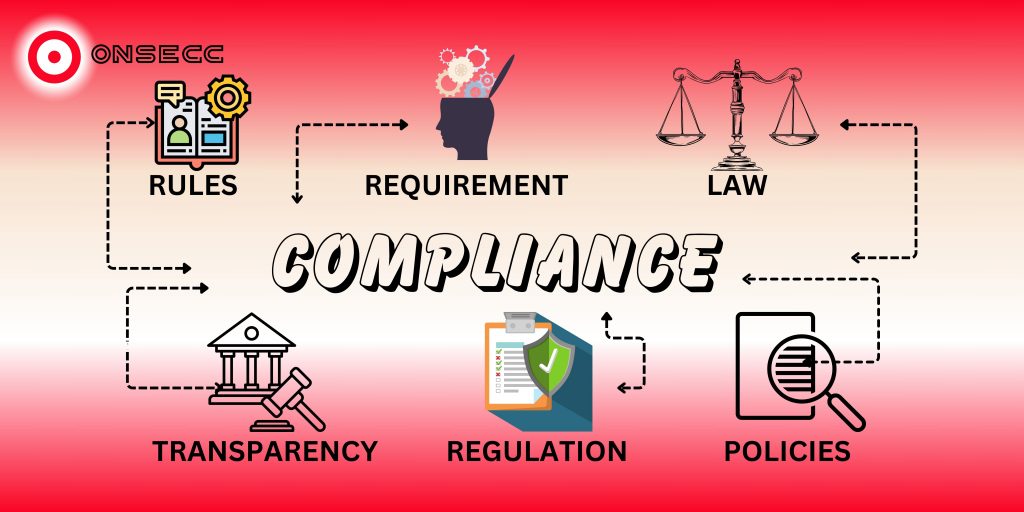
What is Compliance and Cybersecurity: Essential for Modern Businesses

What is compliance? In the dynamic landscape of today’s business environment, compliance refers to the adherence to legal and regulatory standards relevant to a particular industry or operation. It encompasses a spectrum of rules and guidelines that govern how organizations handle their data, interact with stakeholders, and conduct their operations. Achieving and maintaining compliance is not merely a legal obligation; it is a strategic imperative. It builds trust with customers, protects the integrity of your operations, and ultimately safeguards your reputation. At Onsecc, we understand the critical importance of compliance in the digital age, and we’re dedicated to guiding businesses towards a secure and compliant future.

CSF Certification Framework
Cyber Security

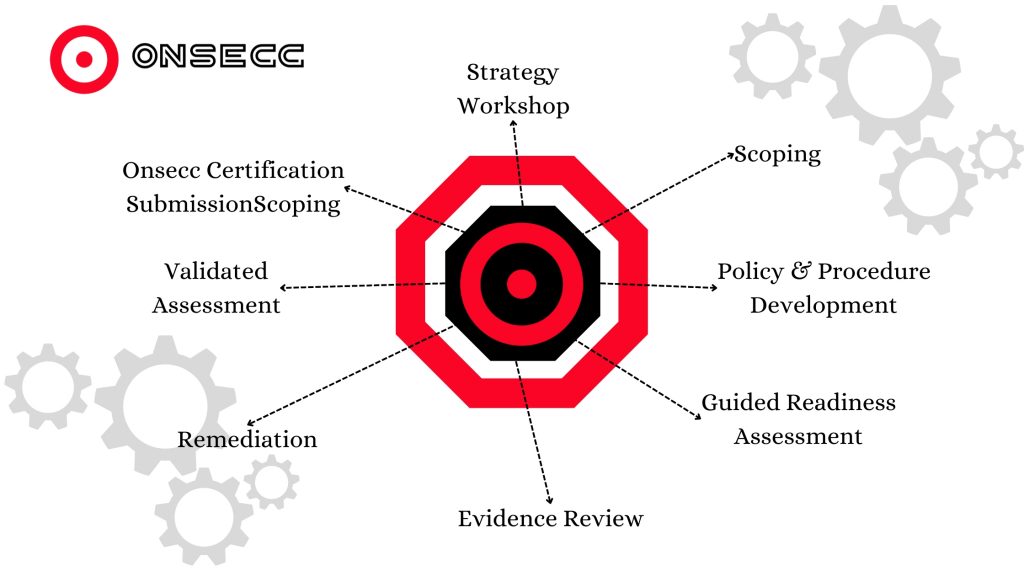
CSF Certification: Building a Secure Foundation with Onsecc for Cybersecurity Success

CSF certification is a prestigious accreditation that validates an organization’s commitment to implementing robust cybersecurity measures. It encompasses technical aspects, people, and processes, making it a holistic solution for safeguarding against cyber threats. It instills confidence in stakeholders and sets organizations apart from their competitors and is the key that unlocks a world of possibilities in the digital realm. Onsecc is a leading cybersecurity consulting firm that specializes in helping organizations achieve CSF certification. Our team of experienced professionals understand the intricacies of the certification process and can guide you through every step, ensuring a smooth and successful journey.

COBIT Framework
Cyber Security

COBIT Framework: Onsecc Connection — Transforming Cybersecurity into a Strategic Advantage

Harnessing COBIT Framework: Unlock Your Organization’s Potential with Onsecc. Elevate Cybersecurity into a Game-Changing Strategic Asset. Discover How to Turn Cyber Challenges into Competitive Advantages and Forge a Path to Unprecedented Success. Dive into Our Exclusive Article to Learn How COBIT’s Powerful Framework Can Propel Your Business Towards Excellence in the Digital Age.

Cyber Security Compliance for 2023: How AI is changing everything
Cyber Security

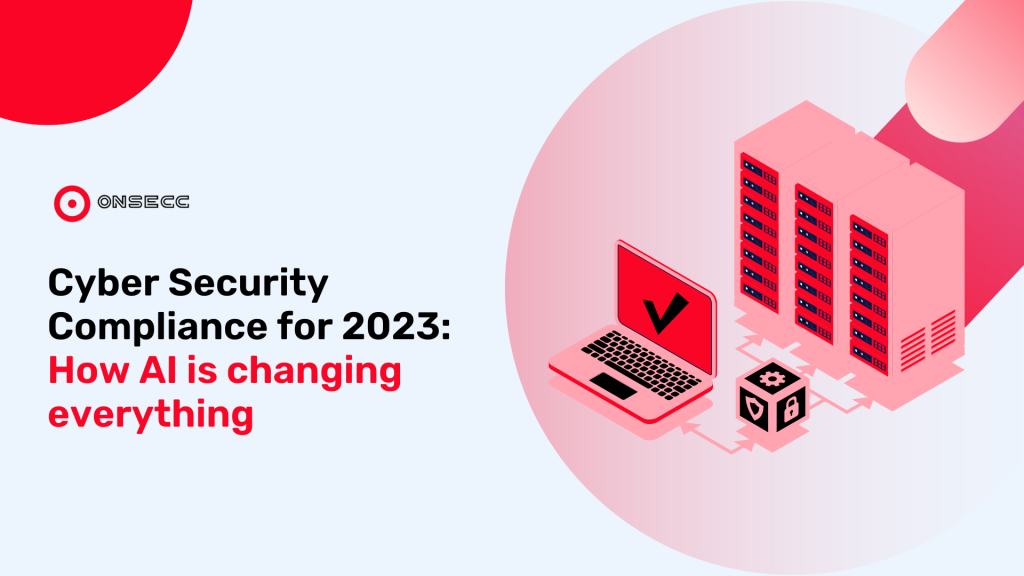
Cyber Security Compliance for 2023: How AI is changing everything

Looking for ways to sort your Cyber Security Compliance for 2023? A lot of time and research goes into finding the right cyber security certifications and with the expansion of AI, getting these services have become easier yet trickier! Use this guide to understand the latest developments in Cyber Security Compliance and learn how AI is changing everything!

GDPR Compliance
Cyber Security

GDPR Compliance: Unveiling Onsecc’s Secret Weapon for Data Security

GDPR Compliance: Unveiling Onsecc’s Secret Weapon for Data Security GDPR compliance is essential for any business that collects, stores or processes personal data. Learn the key requirements of the General Data Protection Regulation and take steps to ensure your business is compliant. Get the latest updates and advice on GDPR compliance in one sec. on Onsecc. In this article: Introduction Understanding GDPR Compliance The Role of Data Security in GDPR Compliance Onsecc: An Innovative Approach to GDPR Compliance Encryption Technology Secure Data Storage Access Controls & User Authentication Regular Data Audits Incident Response & Reporting Key Advantages of Onsecc’s Secret Weapon Common Challenges in GDPR Compliance Case Studies: Successful Implementation of Onsecc’s Secret Weapon Implications for Businesses Conclusion Free Assessment Also Read: The NIST Cybersecurity Framework: Is Your Organization Prepared for the Worst? Introduction The Significance of Data Security in the Digital Era In this digital era, data has become the lifeblood of organizations. The exponential growth of data collection and processing has led to an increased vulnerability of personal information. Therefore, ensuring robust data security has become of utmost importance for businesses around the world. The potential risks associated with data breaches and unauthorized access make it imperative for organizations to adopt effective security measures to protect sensitive information. The Emergence of GDPR as a Landmark Regulation for Protecting Personal Data To address the growing concerns surrounding data protection and privacy, the General Data Protection Regulation (GDPR) was introduced. Implemented in May 2018, GDPR has emerged as a significant landmark regulation for safeguarding personal data. It aims to establish a standardized set of rules and guidelines to regulate the collection, processing, and storage of personal data within the European Union. GDPR compliance has become mandatory for organizations handling the personal data of individuals residing in the EU, regardless of their geographical location. Understanding GDPR Compliance Overview of the General Data Protection Regulation (GDPR) GDPR is a comprehensive set of laws designed to protect the privacy and personal information of individuals within the European Union. It provides individuals with greater control over their data and sets strict guidelines for organizations to maintain data security and transparency. GDPR’s primary objective is to give individuals more power over their personal information and ensure that organizations handle and process data responsibly. Key Principles and Objectives Behind GDPR Compliance GDPR compliance is based on several key principles. These principles include lawfulness, fairness, and transparency in data processing, purpose limitation, data minimization, accuracy of data, storage limitation, integrity, and confidentiality. Organizations need to meet these principles to ensure compliance and protect the rights of data subjects. Scope and Applicability of GDPR Regulations GDPR applies to data controllers and processors dealing with the personal data of individuals within the European Union. It encompasses a wide range of data, including individuals’ identifiable information, such as names, addresses, financial information, and even IP addresses. Regardless of their size or location, organizations that process EU personal data must comply with GDPR regulations or face severe penalties. The Role of Data Security in GDPR Compliance Linking Data Security and GDPR Compliance Data security plays a crucial role in achieving GDPR compliance. Adequate security measures are essential to safeguard personal data from unauthorized access, breaches, or misuse. By implementing robust data security practices, organizations can ensure the confidentiality, integrity, and availability of personal data, thus fulfilling the requirements set forth by GDPR. The Importance of Safeguarding Data against Breaches and Unauthorized Access Data breaches can have severe consequences for both individuals and organizations. By prioritizing data security, organizations can prevent unauthorized access and mitigate the risks associated with data breaches. Compliance with GDPR not only protects the rights and privacy of individuals but also helps organizations maintain their reputation and trust among customers. Onsecc: An Innovative Approach to GDPR Compliance Introducing Onsecc and Its Unique Data Security Solutions Onsecc is a pioneering company that offers state-of-the-art data security solutions designed specifically to achieve GDPR compliance. With its expertise in data protection, Onsecc provides businesses with a comprehensive suite of tools and technologies to safeguard personal data effectively. Key Features and Benefits of Onsecc’s Secret Weapon for Data Security Onsecc’s secret weapon for data security encompasses a range of features and benefits. These include advanced encryption technology, secure data storage solutions, access controls, user authentication, and efficient incident response and reporting capabilities. By leveraging these features, organizations can enhance their data security measures and streamline the process of GDPR compliance. Also Read: SOC 2 Compliance: Is It Too Late To Protect Your Data? Encryption Technology Exploring the Power of Encryption in Achieving GDPR Compliance Encryption technology plays a pivotal role in achieving General Data Protection Regulation compliance by protecting personal data from unauthorized access. By encrypting data, organizations ensure that only authorized individuals can decrypt and access sensitive information. Encryption provides an additional layer of security, making it significantly challenging for malicious actors to exploit personal data. Encryption Methods Employed by Onsecc for Data Protection Onsecc utilizes cutting-edge encryption methods to enhance data security and facilitate General Data Protection Regulation compliance. With advanced cryptographic algorithms and key management systems, Onsecc ensures that personal data remains confidential and secure, both during storage and transmission. Secure Data Storage Understanding the Importance of Secure Data Storage in GDPR Compliance Secure data storage is a critical aspect of GDPR compliance. Organizations must implement robust measures to protect personal data during its storage. Failure to secure data storage can lead to unauthorized access, data breaches, and non-compliance penalties. Therefore, organizations need to adopt secure data storage solutions that meet the rigorous standards set by GDPR. Onsecc’s State-of-the-Art Solutions for Secure Data Storage Onsecc offers innovative solutions for secure data storage, leveraging cutting-edge technologies and industry best practices. Their state-of-the-art storage systems incorporate encryption, access controls, and data redundancy mechanisms, providing organizations with a highly secure environment to safeguard personal data. Access Controls & User Authentication Limiting Access to Personal Data to Authorized Individuals GDPR mandates that access to personal data should be limited to authorized individuals

NIST
Cyber Security

The NIST Cybersecurity Framework: Is Your Organization Prepared for the Worst?

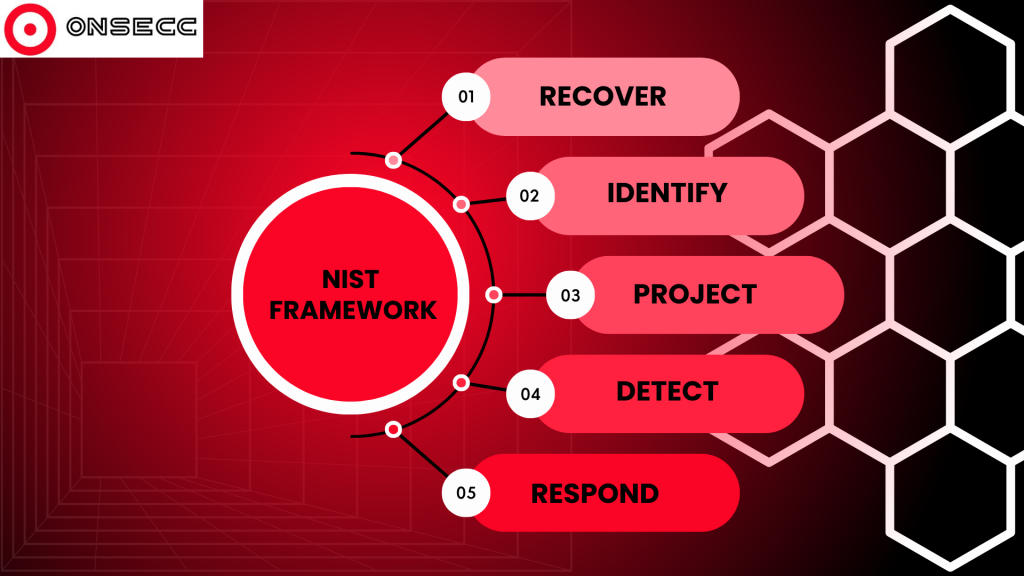
The NIST Cybersecurity Framework provides organizations with the guidelines and best practices necessary to proactively protect their networks and data from cyber threats. This comprehensive system is composed of 5 core categories and is customizable to fit the unique needs of each individual organization, helping them stay ahead of cybercriminals and ensure the security of their systems. Onsecc is proud to provide cutting-edge cybersecurity solutions that help organizations meet and exceed the standards of the NIST Cybersecurity Framework. Our comprehensive set of solutions, combined with our experienced security professionals, are equipped to give organizations a total cybersecurity solution tailored to their individual needs.

SOC 2 Compliance
Cyber Security

SOC 2 Compliance: Is It Too Late To Protect Your Data?

SOC 2 Compliance: Is It Too Late To Protect Your Data? Are you falling behind on SOC 2 Compliance? Don’t worry, Onsecc is here to help! Protect your data today to ensure safety and peace of mind with our SOC 2 Compliance services. In this article: Introduction Unpacking SOC 2 Compliance: Requirements, Audit, Criteria And Types The Ultimate SOC 2 Checklist: A 10 Step Guide To Safeguard Your Data Using The SOC 2 Framework To Strengthen Your Business’s Security Hiring The Right SOC 2 Services To Stay Ahead Of The Curve The Pros And Cons Of SOC 2 Certification Cost-Effective Solutions To Achieving SOC 2 Compliance Transitioning To SOC 2 Type 1 And Type 2 Standards: What You Need To Know Unveiling The Cost Behind Achieving SOC 2 Compliance SOC 2 Solutions: Uncovering The Benefits For Your Business The Value Of Implementing An Effective SOC 2 Framework Conclusion FAQs Free Assessment Also Read: HIPAA Compliance: Keeping Your Data Private & Secure Introduction In today’s digital landscape, safeguarding sensitive data has become a paramount concern for businesses. One effective way to ensure data security is by achieving SOC 2 compliance. This article aims to provide a comprehensive guide to SOC 2 compliance, outlining its requirements, audit process, criteria, and types. Additionally, we will explore the steps you can take to protect your data through a SOC 2 checklist and how Onsecc, our company, can assist you in achieving compliance. Unpacking SOC 2 Compliance: Requirements, Audit, Criteria, and Types What Is SOC 2 Compliance? SOC 2 compliance is a set of standards developed by the American Institute of Certified Public Accountants (AICPA) to assess the security, availability, processing integrity, confidentiality, and privacy of an organization’s systems and data. It demonstrates a commitment to data protection and serves as a measure of trust for customers and stakeholders. Clarifying the Requirements To achieve the SOC-2 compliance, organizations must meet specific requirements, such as establishing and maintaining effective security policies and procedures, implementing access controls, monitoring system activity, and more. Onsecc can assist you in understanding and implementing these requirements effectively. Understanding the SOC 2 Audit Process The SOC 2 audit process involves an independent examination of your organization’s controls and practices to ensure they align with the SOC 2 criteria. This audit evaluates the design and operational effectiveness of your security controls. Onsecc can guide you through the audit process, helping you prepare and address any identified gaps. Introducing the SOC 2 Criteria SOC 2 compliance is based on five trust service criteria: security, availability, processing integrity, confidentiality, and privacy. Each criterion focuses on specific aspects of data protection. Onsecc can help you assess your organization’s compliance with these criteria and implement the necessary controls. Explaining SOC 2 Types 1 and 2 Standards SOC 2 compliance has two types: Type 1 and Type 2. Type 1 assesses the design and implementation of controls at a specific point in time, while Type 2 evaluates the effectiveness of controls over a specified period. Onsecc can assist you in determining which type is suitable for your business and guide you through the compliance process. The Ultimate SOC 2 Checklist: A 10-Step Guide to Safeguard Your Data Step 1: Identify Your Data Onsecc can help you classify and identify the types of data your organization handles to determine the appropriate security measures. Step 2: Assess Your Regulatory Requirements We can assist you in understanding the relevant industry regulations and ensuring your compliance aligns with those requirements. Step 3: Create Your Cryptographic Security Plan Onsecc can help you establish a robust cryptographic security plan to protect sensitive information from unauthorized access. Step 4: Develop Secure Authentication Protocols We can guide you in implementing strong authentication mechanisms to verify the identity of users accessing your systems. Step 5: Ensure Data Retention Policies Onsecc can assist you in developing data retention policies that align with legal and regulatory requirements while prioritizing data security. Step 6: Assess Your Third-Party Security Providers We can help you evaluate the security practices of your third-party vendors and ensure they meet SOC 2 compliance standards. Step 7: Maintain an Incident Response Plan Onsecc can work with you to create a comprehensive incident response plan, ensuring a swift and effective response to security incidents. Step 8: Regularly Test Your Security Protocol We can assist you in conducting regular security testing and vulnerability assessments to identify and address any potential weaknesses. Step 9: Remain Vigilant to Avoid Social Engineering We can provide training and awareness programs to help your employees recognize and mitigate social engineering threats. Step 10: Make Use of Appropriate Monitoring & Reporting Onsecc can help you implement monitoring tools and establish reporting mechanisms to continuously monitor and track security incidents. Using the SOC 2 Framework to Strengthen Your Business’s Security What Is the SOC 2 Framework? The SOC 2 framework provides a structured approach for organizations to assess and improve their security posture. Onsecc can help you adopt and implement the SOC 2 framework effectively. Identifying Your Security Obligations Our experts can assist you in identifying your specific security obligations based on industry regulations and customer requirements. Evaluating Your Existing Infrastructure Onsecc can conduct a comprehensive evaluation of your existing infrastructure to identify potential vulnerabilities and recommend necessary improvements. Creating a Risk Assessment Report We can help you develop a risk assessment report that highlights potential threats and vulnerabilities, enabling you to prioritize and address them effectively. Systems Administration & Oversight Onsecc can guide you in establishing robust systems administration and oversight practices to ensure continuous compliance with SOC 2 standards. Building a Scalable Security Model Our team can assist you in designing and implementing a scalable security model that adapts to your organization’s evolving needs. Establishing a Change Management Process We can help you establish a change management process that ensures changes to your systems and infrastructure are implemented securely and without disrupting compliance. Hiring the Right SOC 2 Services to Stay Ahead of the Curve Types of Security Services Onsecc offers a

HIPAA Compliance
Cyber Security

HIPAA Compliance: Keeping Your Data Private & Secure

Enacted in 1996, HIPAA, The Health Insurance Portability and Accountability Act, is the primary governing authority responsible for protecting the security and privacy of protected health information (PHI). As HIPAA compliance is essential for any organization dealing with PHI, it is critical for healthcare organizations to take steps to ensure that they are protecting the confidentiality of patients’ data. By doing so, not only can they remain compliant with HIPAA regulations, but they can also secure their stature of trust and reliability among their customers.

ISO 27001 Standard: Enhance Your Organization’s Security with Onsecc
Cyber Security

ISO 27001 Standard: Enhance Your Organization’s Security with Onsecc

ISO 27001 Standard: Enhance Your Organization’s Security with Onsecc ISO 27001 standard is a widely recognized security standard. It provides a framework for establishing, implementing, and maintaining an information security management system. This helps ensure the protection of valuable information assets. Are you secure? Let’s check out! In this article: ISO 27001: Understanding and Implementing the Basics What is ISO 27001? Which Businesses Would Benefit From ISO 27001? Reasons for Utilizing ISO 27001 Standards Locating Information Concerning ISO 27001 At What Point Do Organizations Need ISO 27001? Strategies for Adopting ISO 27001 in Your Organization Conclusion Free Assessment Also Read: Data Protection: Understanding the Essentials of Cyber Security ISO 27001: Understanding and Implementing the Basics Organizations that value data security know the importance of implementing an information security management system (ISMS). ISO 27001 is one of the main international standards that organizations use to achieve this goal. In this article, we’ll explore its basics so you can decide if your organization may benefit from implementing this standard and learn how to move forward should you decide to do so. What is ISO 27001? ISO 27001 is an information security management system (ISMS) standard published by the International Organization for Standardization (ISO). It is a widely recognized standard that provides a model for establishing, implementing, operating, monitoring, reviewing, maintaining, and improving an Information Security Management System. The goal of ISO 27001 is to create a secure and safe framework for organizations to manage their informational assets. The standard helps ensure that organizations establish, maintain, and monitor policies and procedures aimed at protecting and managing their digital assets. Which Businesses Would Benefit From ISO 27001? Small, medium, and large organizations alike can benefit from ISO 27001 if they work with sensitive data, such as customer personal data, credit card information, or passwords. Organizations that want to have the utmost trust from customers, stakeholders, and vendors, also benefit from ISO 27001. In hospitals, universities, legal, and financial organizations, for example, customers, patients, and stakeholders must have full trust that their data is secure. Reasons for Utilizing ISO 27001 Standards There are a number of reasons to use ISO 27001 standards, including: Establish trust: By implementing ISO 27001 standards, organizations can demonstrate their commitment to safeguarding confidential and sensitive data. Provide security assurances: Organizations can ensure data security when handling and storing sensitive information. Increase efficiency: ISO 27001 standards provide organizations with a framework for efficient data management with a comprehensive and consistent set of procedures and processes. Demonstrate compliance: Most organizations must comply with government regulations when handling digital information. ISO 27001 standards help organizations demonstrate their compliance with certain governmental and industry standards. Adaptability: The implementation of ISO 27001 standards can help organizations that have complex technology environments continuously improve in areas of security. Cost savings: Adopting ISO 27001 standards helps organizations identify areas of vulnerability, allowing them to quickly and economically address them. Locating Information Concerning ISO 27001 Interested organizations can find information about ISO 27001 on the ISO website or from certification bodies. Additionally, the International Electrotechnical Commission (IEC) is the officially recognized international body for developing and producing information security standards. At What Point Do Organizations Need ISO 27001? Organizations typically decide to adopt ISO 27001 when they are subject to governmental or industry regulations and must demonstrate compliance with data safety requirements. Major breaches of data can also motivate organizations to embrace ISO 27001. Strategies for Adopting ISO 27001 in Your Organization Organizations that want to implement ISO 27001 have to take into account several factors to ensure successful implementation: Assessing organizational vulnerabilities: Organizations must identify their assets, understand their vulnerabilities, and plan corrective actions. Establishing an ISMS framework: An ISMS is a framework of policies, processes, and procedures integrated into an organization’s operations. Developing documented information management plans: Organizations must create detailed plans that include policies, processes, and procedures that help monitor and protect their information assets. Training and awareness: Organizations must provide thorough training for employees that covers the specifics of the ISO 27001 framework and general security tips. Measuring internal and external auditing: ISO 27001 requires periodic audits by internal and external experts. Implementing an ongoing review process: Organizations must continually monitor and review their ISMS to ensure security and stay up to date with internal and external changes. Conclusion In conclusion, ISO 27001 is an important security framework that can benefit organizations of all sizes. Organizations must consider their own security needs, design a framework that meets those needs, and follow the strategies discussed here for successful implementation. With ISO 27001, businesses can ensure the protection of their valuable information assets and increase customer trust while maintaining compliance. Getting secure is the first step to expanding. Through security frameworks and monitoring, companies can remove a lot of barriers to growth. Click on the button below to get a free audit of your website’s security. Let’s see if you are all set to grow! Book A Free Call Contact info 3rd Floor, 86-90 Paul Street, London, EC2A 4NE, UK +44-2034880245 hello@onsecc.com Free Assessment Meet Author Shubham Pandey Linkedin-in Share Blog On Facebook Twitter Google-plus Linkedin Pinterest Recent Posts: SOC 2 Compliance: Is It Too Late To Protect Your Data? HIPAA Compliance: Keeping Your Data Private & Secure ISO 27001 Standard: Enhance Your Organization’s Security with Onsecc Data Protection: Understanding the Essentials of Cyber Security Cybersecurity Threat: Top 10 Threats and Solutions! Are you Safe? Cyber Security in the New World: A Comprehensive Guide Data Protection: FAQs Why was ISO 27701 developed? ISO 27701 was developed to provide guidance on implementing and maintaining an information security management system that is in compliance with the requirements of the ISO 27001 Information Security Standard. What is the difference between ISO 27001 and ISO 27002 ISO 27001 is a standard that outlines a comprehensive set of requirements for an information security management system (ISMS), while ISO 27002 provides guidance on how to implement an ISMS based on the requirements of ISO 27001. Does ISO 27001 cover cyber security?

Cybersecurity Threats and Solutions
Cyber Security

Cybersecurity Threat: Top 10 Threats and Solutions! Are you Safe?

Do you know what a cybersecurity threat is? From attachments in your email to your social media account, everything comes under the purview of cybersecurity threat! In this blog, we will try to understand what are security threats and their types while we figure out how safe you are in this world that surfs on the internet but is unaware of the depths below.

Cyber Security - 1
Cyber Security

Cyber Security in the New World: A Comprehensive Guide

Cyber Security in the New World: A Comprehensive Guide Free Assessment Introduction: The Growing Need for Cyber Security in the Digital Age In the digital age, cyber security has become an essential tool for organizations to protect their data and systems from malicious attacks. As the world is shifting towards digital transformation, businesses are increasingly becoming vulnerable to cyber threats. Cybersecurity threats such as data breaches, malware, phishing scams and ransomware have been on the rise in recent years. These threats can have a huge impact on businesses if not addressed properly. It is therefore important for organizations to take the necessary steps to ensure that their systems and data are secure against these cyber threats. Companies must invest in the right tools, technologies and personnel to protect their online assets from any potential attack. Also Read: Cyber Security Framework What Are the Most Common Types of Cybersecurity Threats? Cybersecurity threats are a growing concern in our increasingly digital world. There are several common types of cyber threats that organizations need to be aware of, including: Malware Attacks: Malware is a type of malicious software that can be used to gain access to a system or steal data. Phishing: Phishing involves sending emails or messages with malicious links or attachments in an attempt to trick users into providing sensitive information. Credential Stuffing: Credential stuffing is a type of attack where attackers use stolen login credentials from other sites to gain access to accounts on other sites. Ransomware Attacks: Ransomware attacks involve encrypting data so that it cannot be accessed until a ransom is paid. Organizations need to be aware of these common types of cyber threats and take steps to protect themselves. By understanding the risks and taking the appropriate measures, organizations can protect their data and minimize the risk of a successful attack. How to Strengthen Your Business’s Cybersecurity with Advanced Solutions? Cybersecurity is a growing concern for businesses of all sizes. With advanced cyber security solutions, businesses can ensure that their data and networks remain safe from malicious actors. Endpoint protection software, antivirus software and services, and other advanced cybersecurity solutions can help strengthen your business’s security posture. These solutions allow businesses to protect their systems from external threats like malware, phishing attacks, ransomware, and more. By investing in the latest cyber security solutions, businesses can reduce the risk of data breaches and other costly consequences of online attacks. Tools and Strategies for Increasing Your Small Business’s Digital Security As a small business owner, it is important to ensure the safety of your data and customer information. With the right tools and strategies, you can increase your small business’s digital security and protect yourself from potential cyber threats. Data encryption technology is one of the most important tools for increasing digital security. It helps to protect data from unauthorized access and keeps it safe even if it falls into the wrong hands. Additionally, having a secure passwords policy in place is essential for protecting your accounts from hackers. Lastly, two-factor authentication can provide an extra layer of protection by requiring additional steps before granting access to an account or device. By implementing these tools and strategies, you can ensure that your small business’s digital security is up to date and protected against any potential threats. Automating Cyber Security Solutions & Monitoring Tools Automation is becoming increasingly important in the world of cyber security. Automated solutions and monitoring tools can help organizations protect their data from malicious actors and prevent costly data breaches. These automated solutions are designed to detect potential threats, alert administrators to suspicious activities, and take action to mitigate potential risks. They can also be used to monitor networks for any changes that might indicate a security breach or attack. By automating cyber security solutions, organizations can reduce their risk of suffering a data breach while also reducing the time and resources needed for manual monitoring. Automated tools are becoming increasingly popular as they provide an efficient way to maintain network security without sacrificing quality or performance. What Are the Benefits of Implementing a Comprehensive Cybersecurity Plan? In the ever-evolving world of digital technology, it is essential to have a comprehensive cybersecurity plan in place in order to protect your business and its data. A comprehensive cybersecurity plan can help prevent data breaches and online fraud, as well as protect against malicious attacks. It also provides an extra layer of security for customer information, which is invaluable in today’s digital age. Implementing a comprehensive cybersecurity plan can provide numerous benefits for businesses, including improved data security, increased customer trust and confidence, reduced costs associated with data breaches or online fraud prevention strategies, and improved efficiency of operations. Conclusion: Preparation is Key to Securing Your Business in the Digital Economy. The digital age has brought immense opportunities for businesses to grow and thrive, but it has also brought a new wave of cybersecurity threats. Cybersecurity threats like malware, phishing, credential stuffing, and ransomware attacks are becoming increasingly common. Organizations must invest in the right tools, technologies, and personnel to protect their data and systems from these malicious attacks. Cybersecurity solutions such as endpoint protection software, antivirus software and services, and data encryption technology can help strengthen your business’s digital security. Additionally, implementing a secure passwords policy, two-factor authentication, and other online fraud prevention strategies can help protect your customer information from malicious actors. By investing in the right tools, technologies, and personnel, businesses can protect their data and systems from online threats and ensure a secure digital future.            It is essential for businesses to take the necessary steps to protect themselves from cyber threats. Companies need to invest in the right tools, technologies, and personnel to ensure their data and systems are secure. Additionally, investing in a comprehensive cybersecurity plan can provide numerous benefits to businesses, including improved data security, increased customer trust, and reduced costs. Preparation is key to securing your business in the digital economy. Taking the time to invest in the right tools
Scroll to Top