Author name: sumit79

Small Budgets, Big Targets | Onsecc
Cyber Security, Short Articles

Cyber Insurance for Small Businesses: What You Don’t Know Could Cost You Everything

Cyber Insurance for Small Businesses: What You Don’t Know Could Cost You Everything Cyber insurance for small businesses is no longer optional. Today, even the smallest companies are becoming targets for cyberattacks, and insurance is the only thing standing between recovery and collapse. Cyber insurance used to sound like a luxury. In 2025, it’s a life jacket. In This Article What is Cyber Insurance, and Why Should You Care Why Are Small Businesses Prime Cyber Targets Cyber Insurance + Onsecc: Better Together Common Missteps That Kill Claims Final Word: Insurance Can’t Replace Action Free Assessment What is Cyber Insurance, and Why Should You Care? Cyber insurance helps cover the financial fallout of data breaches, ransomware, phishing attacks, and business interruptions due to cyber incidents. It’s not a luxury item—it’s how you pay the bills when the breach hits the fan. Covered Events May Include: Legal and regulatory expenses Customer notification and credit monitoring Data restoration and breach investigation Ransomware payments (yes, it’s a thing) What’s NOT Covered? Your IT guy is clicking on “Free iPads.” Negligence due to a lack of basic cybersecurity practices Breaches from unpatched systems Spoiler: Most denials occur because the business has no security measures. That’s where Onsecc makes you look like a genius. Why Are Small Businesses Prime Cyber Targets? Because you’re vulnerable, profitable enough, and often unaware. 43% of cyberattacks target small businesses Only 14% have cyber insurance Average data breach cost for an SMB: $120,000 Cybercrime isn’t just about stealing data—it’s about draining your time, finances, and reputation. Would your clients stay after hearing, “We lost your data bu,t we’re learning from it”? Cyber Insurance + Onsecc: Better Together Onsecc doesn’t sell insurance. But we make it possible for you to get it—at reasonable rates and with fewer headaches. Here’s how we help: We keep your compliance airtight with real-time monitoring We help you stay audit-ready 24/7 Our documentation tools make insurance applications painless If something goes wrong, you have evidence at your fingertips Insurers love it when clients use platforms like Onsecc. It tells them, “This business takes cyber risk seriously.” That often means faster approval and potentially lower premiums. Common Missteps That Kill Claims Let’s play a game: Will your claim be approved? Did you update your antivirus software this year? No? That’s a problem. Is your employee cybersecurity training older than your office coffee machine? Denied. Can you prove you were monitoring threats? If not, you’re paying out-of-pocket. Cyber insurance doesn’t cover negligence. Onsecc helps you dodge that label. Final Word: Insurance Can’t Replace Action Cyber insurance is your financial parachute. But it doesn’t work if you jump without strapping it on properly. Compliance isn’t just paperwork—it’s protection. With Onsecc, small businesses finally have a way to make cyber hygiene affordable, easy, and reliable. Don’t wait for your wake-up call to be spelled in ransomware. → Start your free trial with Onsecc now 📞 +44-2034880245 🌐 www.onsecc.com 📧 hello@onsecc.com   Book A Free Call Contact info 3rd Floor, 86-90 Paul Street, London, EC2A 4NE, UK +44-2034880245 hello@onsecc.com Free Assessment Book A Free Call Meet Author Shubham Pandey Linkedin-in Share Blog On Linkedin-in Google-plus-g Instagram Recent Posts: Cyber Insurance for Small Businesses: What You Don't Know Could Cost You Everything Meet AkiraBot: The AI Spam Demon Haunting 420,000 Websites (and Counting) 2,500 Faces of Deceit: The Proliferation of Malicious Truesight.sys Variants Zero-Day Vulnerabilities: The Invisible Threat Redefining Cybersecurity The Middle East’s Cybersecurity Gap: Building Defenses for a Digital Future The Cost of Non-Compliance: What the TfL Cyber Attack Teaches Us GDPR in the United States: A Do or Die Situation for Businesses Is Your Business PCI Compliance Certified? Don’t Risk It! Take the Next Step – Secure Your Compliance Today Let us guide you through a seamless compliance journey. Reach out to Onsecc today for a personalized consultation. Try it for Free! Stay secure, stay aligned,With Onsecc, peace of mind. Home Contact Us hello@onsecc.com +44-2034880245 Subscribe Now Don’t miss our future updates! Get Subscribed Today! ©2025 Onsecc. All Rights Reserved.

Diagram showing how AkiraBot uses AI to bypass CAPTCHA.
Uncategorized

Meet AkiraBot: The AI Spam Demon Haunting 420,000 Websites (and Counting)

Meet AkiraBot: The AI Spam Demon Haunting 420,000 Websites (and Counting) Imagine this: You spend thousands crafting the perfect website. You’ve nailed the messaging, streamlined the UX, even added that friendly chatbot in the corner saying “Hey! How can I help?” Now picture this:A robot slithers in. It reads your content. It understands your niche. Then it leaves behind a digital turd of a message promoting something like “ServicewrapGO”, written by AI and delivered via your own forms. Welcome to AkiraBot — the spam apocalypse we didn’t see coming, riding GPT-powered horses and bypassing CAPTCHA gates like they’re optional speed bumps. Free Assessment   What the Hell is AkiraBot? AkiraBot is a spam-slinging AI tool cooked up by cybercriminals who apparently found the ChatGPT API and thought: “How about we automate spam across half the internet?” Built in Python (because of course it is), AkiraBot leverages OpenAI’s gpt-4o-mini model to craft eerily personalized messages — all in the name of SEO scams like Akira and ServicewrapGO (which sound like rejected anime startup names). It’s not just casting a wide net. It’s surgically targeting your contact forms, chat widgets, and comment sections, like a mall Santa who knows everyone’s deepest insecurities. How Does AkiraBot Work? Like a Startup from Hell Let’s break it down. AkiraBot has: A GUI for Spammers: Yes, it has a clean interface, just like your favorite SaaS — except instead of “client onboarding” it’s “mass defilement of the internet.” CAPTCHA Evasion: It bypasses hCAPTCHA, reCAPTCHA, and Cloudflare Turnstile by simulating normal user behavior. This is not just scraping — it’s roleplaying. SmartProxy Integration: Because what’s a spam tool without proxy rotation to avoid detection? It’s like burner phones for bots. Telegram Logging: That’s right. It logs every successful spam in a CSV file and ships metrics off to a Telegram channel. Because if you’re going to pollute the internet, you may as well track your KPIs. Over 420,000 websites have been targeted. At least 80,000 have been successfully spammed. That’s not a niche problem. That’s an AI-scale infestation. The Absurdity: AI, But Make It Trash We live in a time where AI could help cure diseases, solve climate change, or analyze satellite imagery for disaster response.Instead, someone made it write spam for shady SEO services. This is like handing Einstein a Sharpie and asking him to draw d***s on bus stops. Worse, AkiraBot: Uses the actual contents of your website to create tailored spam. Pretends to be a “helpful marketing assistant” while pushing snake oil SEO. Logs failures like a diligent employee. It’s the worst intern ever — competent, tireless, and evil. Why You Should Be Very, Very Concerned Forget Nigerian princes. This is AI-powered fraud at scale. Here’s why you should care: SEO poisoning: AkiraBot’s spam may link back to toxic domains. One wrong click from a visitor = blacklisted credibility. Chatbot hijacking: Your polite little chatbot may now serve as the entry point for rogue AI. Cute, huh? Compliance nightmares: If you’re under GDPR, HIPAA, or any other regulation that rhymes with “lawsuit,” spam means exposure. And no, CAPTCHA isn’t enough anymore. Not when bots know how to look human and talk like your marketing intern after three Red Bulls. So… How Do We Fight This? That’s where we at Onsecc come in. Our platform doesn’t just wait for bad things to happen — we go Full Sherlock on spammy behavior, AI misuse, and sneaky bot activity. Here’s how we stay ahead: AI Threat Modeling: We profile malicious GPT-driven actors and set up predictive risk scoring. Bot Intelligence Scanning: Know who’s visiting your site — real person or robotic marketer from the underworld. Control Automation: Auto-block repeated form submissions with suspicious proxy activity. Incident Logging: Every breach, every spam attempt, every fake message — logged, analyzed, and neutralized. We don’t just raise flags. We bring flamethrowers. This Isn’t Just Spam — It’s Evolution AkiraBot is just the first cousin of a growing family of threats. Another lovely creation? Xanthorox AI — a full-service chatbot for malware, code generation, and real-time voice calls. Yes, it talks now. Cybercrime is evolving from dark basements and hoodie stereotypes into SaaS startups with AI roadmaps. Final Words (Before AkiraBot Finds You) This isn’t fear-mongering — it’s digital hygiene.Spam isn’t funny when it lands your domain on a blacklist, or when an AI-generated pitch fools your customers into downloading a Trojan. AkiraBot isn’t going away. But you can be ready. So ask yourself: Is your website being watched? Are your forms hardened? Can your security team detect AI-generated attacks? If not, we should talk. 📞 hello@onsecc.com🔐 www.onsecc.com Book A Free Call Contact info 3rd Floor, 86-90 Paul Street, London, EC2A 4NE, UK +44-2034880245 hello@onsecc.com Free Assessment Book A Free Call Meet Author Shubham Pandey Linkedin-in Share Blog On Linkedin-in Google-plus-g Instagram Recent Posts: Meet AkiraBot: The AI Spam Demon Haunting 420,000 Websites (and Counting) 2,500 Faces of Deceit: The Proliferation of Malicious Truesight.sys Variants Zero-Day Vulnerabilities: The Invisible Threat Redefining Cybersecurity The Middle East’s Cybersecurity Gap: Building Defenses for a Digital Future The Cost of Non-Compliance: What the TfL Cyber Attack Teaches Us GDPR in the United States: A Do or Die Situation for Businesses Is Your Business PCI Compliance Certified? Don’t Risk It! 12 Ways Onsecc Enhances SaaS Cybersecurity Compliance Take the Next Step – Secure Your Compliance Today Let us guide you through a seamless compliance journey. Reach out to Onsecc today for a personalized consultation. Try it for Free! Stay secure, stay aligned,With Onsecc, peace of mind. Home Contact Us hello@onsecc.com +44-2034880245 Subscribe Now Don’t miss our future updates! Get Subscribed Today! ©2025 Onsecc. All Rights Reserved.
The Anatomy of a Breach: Inside the Truesight.sys Driver Exploit
Cyber Security

2,500 Faces of Deceit: The Proliferation of Malicious Truesight.sys Variants

2,500 Faces of Deceit: The Proliferation of Malicious Truesight.sys Variants How much are you updated? A recent large-scale malware campaign has brought to light the exploitation of a vulnerable Windows driver, Truesight.sys, to bypass security measures and deploy the HiddenGh0st Remote Access Trojan (RAT). This incident underscores the critical need for robust cybersecurity solutions and highlights how Onsecc can assist organizations in fortifying their defenses. In This Article The Truesight.sys Vulnerability The BYOVD Technique and Its Implications Geopolitical Implications and Attribution The Role of Public Infrastructure in Malicious Campaigns The Imperative for Proactive Defense Onsecc’s Commitment to Cybersecurity Excellence Conclusion Free Assessment The Truesight.sys Vulnerability Truesight.sys, a driver associated with Adlice’s RogueKiller Antirootkit suite, was intended to detect and neutralize rootkits and malware. However, versions below 3.4.0 contain an arbitrary process termination vulnerability, allowing unauthorized termination of processes, including those vital to security software. Attackers have exploited this flaw by creating over 2,500 distinct variants of the compromised Truesight.sys driver, modifying specific Portable Executable (PE) components while preserving the driver’s valid digital signature. This strategy enables each variant to possess a unique hash, effectively evading hash-based detection systems and rendering traditional security measures ineffective. research.checkpoint.com The BYOVD Technique and Its Implications Central to this campaign is the “Bring Your Own Vulnerable Driver” (BYOVD) technique. In this approach, attackers introduce a legitimately signed but vulnerable driver into a system, subsequently exploiting its weaknesses to escalate privileges or disable security solutions. The utilization of Truesight.sys exemplifies this method, where its inherent vulnerability is weaponized to terminate Endpoint Detection and Response (EDR) and Antivirus (AV) processes, effectively blinding the system’s defenses. This meticulous approach allowed the malicious activity to persist undetected for months, emphasizing the challenges faced by conventional security infrastructures in identifying and mitigating such threats. Geopolitical Implications and Attribution Geographical analysis reveals a concentrated focus on China, with approximately 75% of victims located within its borders. The remaining targets are dispersed across other Asian nations, including Singapore and Taiwan. The operational patterns and chosen targets suggest the involvement of the Silver Fox Advanced Persistent Threat (APT) group, based on observed overlaps in attack methodologies, initial-stage sample similarities, and historical targeting trends associated with this group. The Role of Public Infrastructure in Malicious Campaigns A notable aspect of this operation is the attackers’ use of public cloud infrastructure within China’s regional data centers to host malicious payloads and command-and-control (C2) servers. This strategy offers multiple advantages: Anonymity: Leveraging reputable cloud services provides a veneer of legitimacy, complicating attribution efforts. Scalability: Public cloud platforms offer the flexibility to scale operations as needed, accommodating varying levels of attack intensity. Resilience: Utilizing established cloud services ensures a degree of reliability and uptime, which is essential for sustained malicious campaigns. However, this tactic also raises concerns about the security measures employed by cloud service providers and the potential for their platforms to be co-opted for nefarious purposes. The Imperative for Proactive Defense This incident serves as a stark reminder of the dynamic nature of cyber threats and the necessity for proactive defense strategies. Organizations are urged to: Regularly Update Security Protocols: Ensuring that all software, especially security-related drivers, are up-to-date can mitigate known vulnerabilities. Implement Advanced Detection Mechanisms: Relying solely on hash-based detection is insufficient; behavioural analysis and anomaly detection offer additional layers of security. Conduct Comprehensive Security Audits: Routine audits can identify potential weaknesses, including outdated or vulnerable drivers, before they are exploited. Collaborate with Security Communities: Sharing threat intelligence and staying informed about emerging threats can enhance an organization’s defensive posture. Onsecc’s Commitment to Cybersecurity Excellence In light of such sophisticated threats, Onsecc remains steadfast in its mission to provide cutting-edge cybersecurity solutions. Our approach encompasses: Continuous Monitoring: Employing state-of-the-art tools to detect and respond to anomalies in real time. Threat Intelligence Integration: Leveraging global threat data to anticipate and counteract emerging attack vectors. Customized Security Solutions: Tailoring defenses to address the unique challenges and vulnerabilities specific to each client. Educational Initiatives: Empowering organizations through training and awareness programs, fostering a culture of security mindfulness. As cyber adversaries continue to evolve, so too must our defenses. Onsecc is dedicated to staying at the forefront of cybersecurity, ensuring that our clients are equipped to navigate and neutralize the complexities of the modern threat landscape. Conclusion The exploitation of the Truesight.sys driver in this extensive malware campaign exemplifies the innovative strategies employed by cybercriminals to compromise systems. It underscores the critical importance of proactive and adaptive cybersecurity measures. Organizations must remain vigilant, continually updating their defenses and fostering a culture of security awareness to effectively counteract such sophisticated threats. Book A Free Call Contact info 3rd Floor, 86-90 Paul Street, London, EC2A 4NE, UK +44-2034880245 hello@onsecc.com Free Assessment Book A Free Call Meet Author Shubham Pandey Linkedin-in Share Blog On Linkedin-in Google-plus-g Instagram Recent Posts: Zero-Day Vulnerabilities: The Invisible Threat Redefining Cybersecurity The Middle East’s Cybersecurity Gap: Building Defenses for a Digital Future The Cost of Non-Compliance: What the TfL Cyber Attack Teaches Us GDPR in the United States: A Do or Die Situation for Businesses Is Your Business PCI Compliance Certified? Don’t Risk It! 12 Ways Onsecc Enhances SaaS Cybersecurity Compliance Practical Insights into Implementing ISO/IEC 27001:2022 Strategies to Enhance Cybersecurity for Business Take the Next Step – Secure Your Compliance Today Let us guide you through a seamless compliance journey. Reach out to Onsecc today for a personalized consultation. Try it for Free! Stay secure, stay aligned,With Onsecc, peace of mind. Home Contact Us hello@onsecc.com +44-2034880245 Subscribe Now Don’t miss our future updates! Get Subscribed Today! ©2025 Onsecc. All Rights Reserved.

Uncategorized

Zero-Day Vulnerabilities: The Invisible Threat Redefining Cybersecurity

Zero-Day Vulnerabilities: The Invisible Threat Redefining Cybersecurity Imagine a stealthy cyberattack so well-hidden that even top security experts have no idea it exists—until it’s too late. That’s the power of zero-day vulnerabilities. These elusive security flaws in software or hardware remain undiscovered by vendors, leaving organizations of every size vulnerable to damaging breaches, data theft, and costly downtime. In This Article Why “Zero-Day” Risks Every Organization Anatomy of a Zero-Day Exploit Suspicious Signs of Zero-Day Activity Proactive Defense Strategies Why Timing Is Key: Real-Time Alerts Final Takeaway Free Assessment Why “Zero-Day” Risks Every Organization A zero-day vulnerability is an unpatched security flaw that attackers can exploit freely until the software vendor finds and fixes it. Because it’s unknown, there’s no immediate defence available—granting cybercriminals a head start in developing malicious exploits. Real-World Consequences Monumental Financial LossesFrom regulatory fines to crippling lawsuits, a single breach in the U.S. or U.K. can send shockwaves through your bottom line. Eroded Customer TrustIn competitive markets—finance, healthcare, e-commerce—news of a data breach can drive customers straight into competitors’ arms. Rising ComplexityWith more IoT devices and cloud services deployed daily, zero-day exploits can lurk in unexpected corners, from industrial sensors to mobile applications. Anatomy of a Zero-Day Exploit DiscoveryHackers or researchers pinpoint a flaw through code analysis, reverse engineering, or insider leaks. WeaponizationAttackers craft a specialized exploit that targets the hidden vulnerability, often wrapped in malware or embedded in phishing emails. Undetected AttackBecause no patch exists, antivirus and intrusion detection systems typically fail to flag these exploits when they first surface. Suspicious Signs of Zero-Day Activity System Slowdowns: Abrupt performance hiccups could hint at embedded malware siphoning resources. Strange Outbound Traffic: Keep watch for large data transfers to unfamiliar IP addresses—often a red flag of clandestine exfiltration. Unusual Account Activity: Legitimate user accounts making bizarre system changes might indicate compromised credentials. Proactive Defense Strategies Automate PatchingWhile patches can’t fix an unknown hole, they do shrink the overall attack surface once an update is released. Leverage Threat IntelligenceStay connected to real-time feeds that highlight emerging vulnerabilities and attack patterns. Adopt Zero-Trust SecurityA trust-nothing, verify-everything model drastically limits an attacker’s freedom to roam once inside your network. Network SegmentationContain breaches by isolating critical assets from less sensitive parts of your infrastructure. Incident Response DrillsRegular exercises prime your team to detect anomalies and lock down systems before threats escalate. Why Timing Is Key: Real-Time Alerts Speed is everything when you’re racing cybercriminals to discover and exploit zero-day vulnerabilities. That’s why security solutions like Onsecc are indispensable—helping organizations spot anomalies in real-time, close blind spots, and keep a decisive upper hand against rapidly evolving threats. What to Do Right Now Prioritize UpdatesAs soon as a zero-day becomes known, apply vendor-released patches without delay to minimize exposure. Monitor Network TrafficKeep an eagle eye out for irregularities, especially data outflows to suspicious domains. Train Your TeamMost breaches begin with human error, like clicking on a weaponized link. Education is your first line of defence. Invest in Continuous ScanningReal-time vulnerability alerts and automated scans help detect signs of an intrusion or zero-day exploit before it spirals out of control. Final Takeaway of Zero-Day Vulnerabilities In an era where zero-day vulnerabilities pose some of the most dangerous threats, you cannot wait until the alarm goes off to respond—because, by then, the damage may already be done. Organizations across the U.S. and U.K. must prioritize continuous monitoring, rapid patching, and zero-trust principles to stay one step ahead. Still running a reactive security setup? It’s time to get proactive. Embrace real-time alerting solutions, bolster your security architecture, and train your team relentlessly. That’s how you protect not just your network—but your brand reputation, client trust, and bottom line—from the devastating blow of the unknown. Ready to fortify your defences? Stay vigilant against zero-day exploits with robust monitoring, timely updates, and a proactive security culture—because in cybersecurity, tomorrow’s too late.   Book A Free Call Contact info 3rd Floor, 86-90 Paul Street, London, EC2A 4NE, UK +44-2034880245 hello@onsecc.com Free Assessment Book A Free Call Meet Author Shubham Pandey Linkedin-in Share Blog On Linkedin-in Google-plus-g Instagram Recent Posts: The Middle East’s Cybersecurity Gap: Building Defenses for a Digital Future The Cost of Non-Compliance: What the TfL Cyber Attack Teaches Us GDPR in the United States: A Do or Die Situation for Businesses Is Your Business PCI Compliance Certified? Don’t Risk It! 12 Ways Onsecc Enhances SaaS Cybersecurity Compliance Practical Insights into Implementing ISO/IEC 27001:2022 Strategies to Enhance Cybersecurity for Business Impact of Cybersecurity Breaches on Compliance Status Take the Next Step – Secure Your Compliance Today Let us guide you through a seamless compliance journey. Reach out to Onsecc today for a personalized consultation. Try it for Free! Stay secure, stay aligned,With Onsecc, peace of mind. Home Contact Us hello@onsecc.com +44-2034880245 Subscribe Now Don’t miss our future updates! Get Subscribed Today! ©2025 Onsecc. All Rights Reserved.

Cybersecurity Gap
Cyber Security

The Middle East’s Cybersecurity Gap: Building Defenses for a Digital Future

The Middle East’s Cybersecurity Gap: Building Defenses for a Digital Future The Middle East is witnessing a digital transformation at an unprecedented pace. Cities like Dubai, Riyadh, and Abu Dhabi are positioning themselves as global innovation centers. As technology advances, businesses in the region are reaping the rewards of this growth. However, with progress comes risks—cyber threats are rising rapidly, leaving organizations vulnerable. Free Assessment The Cost of Rapid Growth The increased digitization across the Middle East has created a perfect storm for cyberattacks. The UAE, for instance, experiences approximately 50,000 cyberattacks daily. Each successful attack costs millions, affecting businesses, public institutions, and the economy. Distributed denial-of-service (DDoS) attacks alone have increased by 75% in the last year, targeting critical hubs like the UAE and Saudi Arabia. AI is further complicating the problem. It has enabled attackers to scale their efforts with automated phishing and stealthy malware. Businesses relying solely on outsourced cybersecurity measures are finding themselves ill-equipped to address these evolving threats. Outsourcing often delays responses to threats, creating gaps that cybercriminals exploit. Building Internal Defenses Outsourcing security might seem convenient, but it is not a foolproof solution. Businesses in the Middle East must rethink their approach by focusing on building strong, internal cybersecurity teams. An in-house team offers faster response times, better solutions, and a deeper understanding of specific business needs. Onsecc’s expertise in compliance and cybersecurity solutions helps organizations bridge the gap by providing tools for continuous monitoring, risk management, and audit readiness. With Onsecc, businesses can develop in-house capabilities while gaining the support of advanced technologies. To address the regional skills gap, organizations must prioritize hiring, training, and retaining cybersecurity professionals. A lack of local talent has left companies scrambling to fill key roles. Over half of EMEA businesses have reported cybersecurity breaches linked to insufficient training or expertise. The answer lies in nurturing talent within the region. Investing in Talent Hiring experienced cybersecurity professionals is challenging, especially in regions where the talent pool is limited. To overcome this, businesses must look to graduates and apprentices. Collaborating with universities to create internship and graduate programs can help tap into fresh talent eager to learn. Apprenticeships allow companies to mould candidates to fit their needs, creating a pipeline of skilled professionals. Retention is just as important as recruitment. Competitive salaries, benefits, and opportunities for learning and development play a critical role in keeping employees engaged. Investing in training programs not only helps employees stay updated on new threats but also builds loyalty and trust. Reducing Risks Through Awareness Cybersecurity training shouldn’t be limited to IT teams. Many breaches occur due to simple mistakes by employees, such as clicking on phishing links or mishandling sensitive information. A company-wide training program can significantly reduce human error, reinforcing the first line of defence against attacks. Upskilling staff in cybersecurity awareness ensures everyone in the organization is aligned with best practices. Employees become more cautious, informed, and proactive in identifying potential threats. The Path Forward The rise in cyber threats across the Middle East demands urgent action. Businesses cannot afford to rely solely on third-party solutions. They need to build in-house capabilities, invest in local talent, and focus on continuous learning to stay prepared for future challenges. Onsecc offers a platform that supports businesses in creating resilient cybersecurity strategies, ensuring compliance with global standards like ISO 27001 and GDPR. By leveraging Onsecc’s advanced tools and resources, organizations can enhance their defences while maintaining operational efficiency. The region’s rapid digital growth presents both opportunities and challenges. To remain competitive, businesses must treat cybersecurity as a priority, not an afterthought. By taking a proactive approach, Middle Eastern organizations can secure their place in a digital-first world while protecting their operations from the ever-present threat of cyberattacks. Book A Free Call Contact info 3rd Floor, 86-90 Paul Street, London, EC2A 4NE, UK +44-2034880245 hello@onsecc.com Free Assessment Book A Free Call Meet Author Shubham Pandey Linkedin-in Share Blog On Linkedin-in Google-plus-g Instagram Recent Posts: The Middle East’s Cybersecurity Gap: Building Defenses for a Digital Future The Cost of Non-Compliance: What the TfL Cyber Attack Teaches Us GDPR in the United States: A Do or Die Situation for Businesses Is Your Business PCI Compliance Certified? Don’t Risk It! 12 Ways Onsecc Enhances SaaS Cybersecurity Compliance Practical Insights into Implementing ISO/IEC 27001:2022 Strategies to Enhance Cybersecurity for Business Impact of Cybersecurity Breaches on Compliance Status Take the Next Step – Secure Your Compliance Today Let us guide you through a seamless compliance journey. Reach out to Onsecc today for a personalized consultation. Try it for Free! Stay secure, stay aligned,With Onsecc, peace of mind. Home Contact Us hello@onsecc.com +44-2034880245 Subscribe Now Don’t miss our future updates! Get Subscribed Today! ©2024 Onsecc. All Rights Reserved.
Cyber Security

The Cost of Non-Compliance: What the TfL Cyber Attack Teaches Us

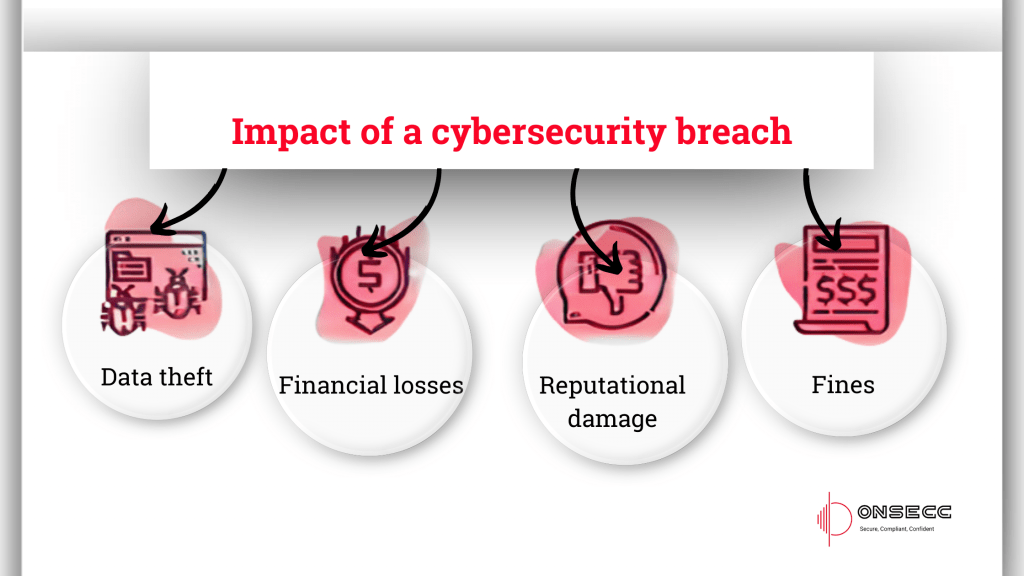
The Cost of Non-Compliance: What the TfL Cyber Attack Teaches Us In an increasingly connected world, where public services rely heavily on digital infrastructure, cybersecurity compliance is not merely a recommendation—it’s an imperative. The recent cyberattack on Transport for London (TfL) has sparked concerns across industries about the cost of non-compliance. This event underscores the dangers of overlooking cybersecurity regulations and what it could mean for public infrastructure and businesses alike. In this article, we take a deep dive into the TfL cyberattack, the consequences of non-compliance, and how companies can safeguard themselves against such threats. We’ll also highlight what this teaches us about the importance of cybersecurity compliance and the role of proactive solutions like those provided by Onsecc in mitigating such risks. In this article: The TfL Cyberattack: A Timeline of Events The Financial Fallout: How Much Did It Cost? The Human Impact: How Londoners Were Affected Why Non-Compliance Comes with a Heavy Price Cybersecurity Compliance: What Went Wrong for TfL? Lessons Learned: How Businesses Can Safeguard Themselves Onsecc’s Role in Cybersecurity Compliance Protect Your Business Before It’s Too Late Cybersecurity Compliance Isn’t Optional—It’s Essential Free Assessment The TfL Cyberattack: A Timeline of Events The TfL cyberattack was first detected on September 1, 2024. Initially, it seemed like a typical case of digital disruption. However, as the situation unfolded, it became clear that this was a sophisticated and aggressive breach targeting the heart of London’s public transportation system. TfL engineers quickly shut down several areas of operation to contain the attack, affecting digital systems like jam cams, concession card applications, and online payment services for Oyster and contactless cards. But the real story goes deeper. Over 5,000 customers’ personal data, including names, addresses, and bank details, were compromised. Despite the National Cyber Security Centre (NCSC) and National Crime Agency (NCA) stepping in to assist TfL in containing the breach, the damage was already done. The attack not only exposed sensitive customer information but also brought some of TfL’s critical projects to a grinding halt. One such initiative was Project Oval, which aimed to extend contactless ticketing to stations outside Greater London. The attack has forced the delay of this vital project, a clear indicator of how cyber incidents can disrupt essential services. The Financial Fallout: How Much Did It Cost? The immediate cost of the cyberattack to TfL has been several million pounds—a staggering figure. But when we talk about the cost of cyberattacks, it’s important to remember that these are not just direct financial hits. They come with long-term ripple effects: reputational damage, regulatory fines, loss of customer trust, and delays in ongoing projects. TfL now faces the burden of compensating commuters who were out of pocket due to incomplete journeys made using contactless cards and the suspension of Oyster photocard applications. Refunds for these additional travel expenses are being processed, but the logistics of doing so without full system functionality remain a challenge. The Human Impact: How Londoners Were Affected Though the bus and Tube services remained operational, TfL’s ability to process digital services, such as online journey history and live Tube arrival information, was severely disrupted. For many Londoners, particularly students and older citizens who rely on Zip cards and Oyster cards, the attack was more than just an inconvenience. It resulted in financial hardship, as they were forced to pay full fares while TfL worked to resolve the issue. Sadiq Khan, the Mayor of London, admitted that a “big number” of Londoners had been affected, including 1.2 million older residents who qualify for concessionary travel with the 60+ Oyster and Freedom Pass. The situation is expected to take months to fully resolve, with some sources indicating it could extend until Christmas 2024 before all systems are back online. Why Non-Compliance Comes with a Heavy Price The TfL cyberattack teaches us a crucial lesson: the cost of non-compliance is far greater than the cost of compliance. In today’s regulatory environment, adhering to cybersecurity frameworks like ISO 27001, SOC 2, and GDPR is non-negotiable. The attack on TfL exposed several vulnerabilities that likely stemmed from an inability to fully meet stringent security regulations. Here are the key ways in which non-compliance can wreak havoc on organizations: Financial Penalties: Beyond the operational costs, businesses that fail to comply with data protection laws such as GDPR can face crippling fines. These fines can amount to as much as 4% of global annual revenue for severe violations. Reputational Damage: The attack on TfL has severely dented public confidence. For companies like TfL, reputation is everything. Loss of trust can lead to customers migrating to competitors or abandoning services altogether. Operational Disruption: As seen with TfL, cyberattacks don’t just impact digital systems—they can disrupt entire operations. TfL’s systems for processing payments, issuing refunds, and managing customer data were brought to a standstill, costing both time and resources. Legal Repercussions: Breaches of this nature are also subject to intense legal scrutiny. The compromised personal data of over 5,000 individuals may lead to class-action lawsuits from affected customers, further escalating costs for TfL. Cybersecurity Compliance: What Went Wrong for TfL? The scale of this attack raises the question: What went wrong for TfL? The fact that hackers were able to access sensitive customer data and disrupt services indicates weaknesses in the company’s cybersecurity protocols. While TfL’s security measures may have been robust in some areas, it’s evident that their defenses were not fully aligned with modern cybersecurity standards. This is where compliance frameworks come in. Organizations need to ensure they are meeting the requirements of global standards such as: ISO 27001: Provides a framework for managing and protecting information assets. NIST Cybersecurity Framework: A set of guidelines for improving critical infrastructure cybersecurity. SOC 2: A report on internal controls related to security, availability, processing integrity, confidentiality, and privacy. Non-compliance with these standards leaves gaps in security that cybercriminals can exploit. Regular audits, comprehensive security assessments, and staff training are essential to stay ahead of cyber threats. Lessons Learned: How Businesses Can

The Necessity of GDPR in the United States | Onsecc
Cyber Security

GDPR in the United States: A Do or Die Situation for Businesses

GDPR in the United States: A Do or Die Situation for Businesses The necessity of GDPR in the United States extends beyond legal compliance, offering American businesses a valuable opportunity to build trust with consumers and strengthen their data governance frameworks. Get ready to uncover how embracing GDPR can safeguard your reputation, avoid costly penalties, and future-proof your business against the evolving landscape of privacy regulations. This is more than just a legal obligation—it’s your blueprint for success in the digital age! In This Article: Introduction to GDPR (General Data Protection Regulation) Why GDPR is important for businesses in the United States Impact of the GDPR on data protection and privacy laws in the U.S. Key provisions of the GDPR and how they differ from U.S. laws Compliance with GDPR: Steps businesses need to take Benefits of implementing GDPR principles for businesses Challenges and criticisms of the GDPR Conclusion: The future of data protection and privacy regulations Free Assessment Introduction to GDPR (General Data Protection Regulation) In today’s digital economy, data is a central asset for businesses. As U.S. companies grow their online presence and engage with global customers, understanding data protection laws, especially the GDPR (General Data Protection Regulation), is critical. GDPR, a European regulation, has redefined how personal information is managed, impacting businesses worldwide, including those in the U.S. But what does GDPR mean for businesses in the U.S.? With growing concerns over privacy breaches and data misuse, many organizations are navigating a complex maze of compliance requirements. Ignoring these regulations could result in hefty fines and reputational damage. This blog will explore why GDPR matters for American enterprises, its implications on existing U.S. data laws, key provisions that differ from U.S. standards, steps for compliance, and the advantages of adopting these principles—even if your business isn’t based in Europe. Join us as we unravel the intricacies of this vital regulation and its influence on future privacy practices! Why GDPR is important for businesses in the United States The rise of digital data has changed the business landscape in significant ways. For U.S. companies, understanding GDPR is not just an option; it’s a necessity. Many American businesses operate internationally and handle data from EU citizens. Non-compliance can lead to hefty fines that may cripple smaller organizations. The potential for damages under GDPR puts pressure on companies to prioritize data protection. Moreover, adopting stringent privacy practices fosters trust with customers. In today’s market, consumers are increasingly aware of their rights regarding personal information. Meeting GDPR standards can enhance your brand reputation and customer loyalty. As conversations around privacy regulations continue in the U.S., being proactive could position companies favourably ahead of future legislation—making compliance with GDPR relevant even beyond its immediate requirements. Impact of the GDPR on data protection and privacy laws in the U.S. The GDPR has significantly influenced how data protection and privacy laws are approached in the United States. It set a high standard that many states now aspire to achieve. As businesses grapple with compliance, they often find themselves reevaluating their existing policies. This shift is evident in legislation like the California Consumer Privacy Act (CCPA), which incorporates elements reminiscent of GDPR principles. The CCPA enhances consumer rights regarding data access and deletion, reflecting a growing trend toward stronger protections. Moreover, U.S. companies that operate internationally must align with GDPR requirements or face hefty fines. This compels them to adopt more rigorous data governance frameworks and transparency measures across all operations. As states consider new privacy laws, the influence of GDPR will likely shape discussions on consumer rights and corporate responsibilities for years to come. This evolving landscape underscores the importance of understanding global standards while navigating local regulations. Key provisions of the GDPR and how they differ from U.S. laws The GDPR introduces several key provisions that emphasize individual rights and organizational responsibilities. One standout element is the explicit requirement for obtaining consent before processing personal data. This differs significantly from many U.S. laws, which often rely on implied consent. Data subjects also enjoy enhanced rights under the GDPR, including the right to access their information and request its deletion. While some U.S. regulations offer privacy protections, they tend to be sector-specific and lack uniformity across states. Moreover, organizations must appoint a Data Protection Officer (DPO) if they process large amounts of data or handle sensitive information regularly—an obligation not typically found in U.S. legislation. The penalties for non-compliance are steep under GDPR, with fines reaching up to 4% of global annual revenue—a stark contrast to most American laws where consequences are less severe and more fragmented. Compliance with GDPR: Steps businesses need to take To achieve compliance with GDPR, businesses should start by assessing their data practices. Conduct a thorough audit to understand what personal data is collected and how it’s used. Next, develop a clear privacy policy that outlines your data processing activities. This document must be accessible and easy to understand for users. Training staff is crucial. Ensure everyone understands the importance of GDPR and knows how to handle personal information appropriately. Implement robust security measures to protect sensitive data from breaches. Regularly update these systems as technology evolves. Establish protocols for handling data subject requests, such as access or deletion requests. This creates transparency and builds trust with customers. Consider appointing a Data Protection Officer (DPO) if necessary. A DPO can guide compliance efforts and facilitate ongoing adherence to regulations. Benefits of implementing GDPR principles for businesses Implementing GDPR principles offers numerous advantages for businesses. Enhanced customer trust is one of the most significant benefits. When customers see that a company prioritizes their data privacy, they are more likely to engage and remain loyal. Another key benefit is improved data management. Adopting GDPR practices encourages organizations to review their data collection processes, leading to a streamlined approach that can save time and resources. Regulatory compliance also brings financial perks. Companies demonstrate accountability by adhering to GDPR requirements, potentially avoiding hefty fines associated with non-compliance. Moreover, embracing these principles fosters

When businesses handle card payments, they need to follow PCI DSS rules to keep data safe. The rules depend on factors like how many transactions you process and the type of business you run. These are split into PCI compliance levels that guide what you need to do.
Cyber Security

Is Your Business PCI Compliance Certified? Don’t Risk It!

Is Your Business PCI Compliance Certified? Don’t Risk It! When businesses handle card payments, they need to follow PCI DSS rules to keep data safe. The rules depend on factors like how many transactions you process and the type of business you run. These are split into PCI compliance levels that guide what you need to do. Onsecc makes PCI compliance simple by providing the tools and expertise to keep your payment systems secure. With the latest PCI DSS 4.0 updates, staying compliant is easier while keeping cardholder data protected. Compliance isn’t just a rule, it’s a way to build trust and keep payments secure. In This Article: What Is PCI Compliance? What Is PCI DSS? Why Does PCI Compliance Matter? The Four PCI DSS Compliance Levels What Are the PCI DSS Requirements? PCI DSS 4.0: What’s New? PCI DSS Certification How Much Does PCI DSS Certification Cost? PCI Compliance Services: Should You Outsource? Common PCI DSS Compliance Mistakes to Avoid Wrapping It All Up Free Assessment Check our Services: https://onsecc.com/services/ What Is PCI Compliance? If your business deals with credit card payments, you’ve probably heard the term “PCI compliance” floating around. But what exactly does it mean? In simple terms, PCI compliance is a set of security standards that any company handling payment card information must follow. These standards, known as the Payment Card Industry Data Security Standard (PCI DSS), are designed to protect cardholder data from theft and fraud. Whether you’re a small e-commerce shop or a large corporation, following these rules is essential to keep your customers’ sensitive information safe. And it’s not just about doing the right thing—there are serious consequences for not meeting PCI compliance requirements, including hefty fines, increased transaction fees, and even loss of business trust. What Is PCI DSS? Let’s dive a little deeper into the Payment Card Industry Data Security Standard (PCI DSS). PCI DSS is a global set of security rules put in place by major credit card companies like Visa, MasterCard, and American Express. These rules ensure that businesses take necessary steps to protect credit card data during and after a transaction. Originally launched in 2006, PCI DSS has evolved over the years to keep up with the changing landscape of cyber threats. The latest version, PCI DSS 4.0, introduces more flexibility and new ways to combat modern cyberattacks. Why Does PCI Compliance Matter? PCI compliance isn’t just a box to check off—it’s about safeguarding your customers and your business. Cybersecurity is a big concern today, and data breaches are becoming more common. Non-compliance puts businesses at risk of exposing sensitive cardholder data, which could lead to financial losses, legal issues, and a damaged reputation. By being PCI compliant, your business is taking the steps necessary to reduce these risks. It shows your customers that you value their privacy and are doing everything you can to keep their payment information safe. Plus, it’s mandatory if you want to continue accepting credit card payments. The Four PCI DSS Compliance Levels One size doesn’t fit all when it comes to PCI DSS. The requirements your business needs to meet depend on how many card transactions you process annually. There are four levels of PCI DSS compliance, each with its own set of guidelines: Level 1 – This level is for businesses processing more than 6 million transactions per year. You’ll need to complete an annual on-site audit by a Qualified Security Assessor (QSA) and submit a Report on Compliance (ROC). Level 2 – If your business processes between 1 million and 6 million transactions annually, you fall into this category. You’ll need to fill out a Self-Assessment Questionnaire (SAQ) and may have to perform quarterly security scans. Level 3 – For companies handling 20,000 to 1 million e-commerce transactions, this level requires you to complete an SAQ and possibly conduct quarterly vulnerability scans. Level 4 – Businesses processing fewer than 20,000 e-commerce transactions or up to 1 million card-present transactions fall into this group. Like Level 3, you’ll need to fill out an SAQ and are encouraged to take additional security measures. What Are the PCI DSS Requirements? The PCI DSS requirements include 12 key steps that every business must follow to achieve compliance. Don’t worry—they sound more complicated than they actually are. Here’s a simplified breakdown: Install and maintain a firewall to protect cardholder data. Use strong passwords and don’t use vendor-supplied defaults. Protect stored cardholder data. Encrypt cardholder data when transmitting it over open, public networks. Keep antivirus software up to date. Develop and maintain secure systems and applications. Restrict access to cardholder data based on a need-to-know basis. Assign unique IDs to each person who accesses the system. Restrict physical access to cardholder data. Monitor all access to network resources and cardholder data. Regularly test security systems and processes. Maintain a policy that addresses information security for employees. These steps may seem daunting, but they’re designed to create a secure payment environment and protect your customers’ sensitive information. Plus, following these rules will help you avoid any potential security breaches that could cost your business in the long run. PCI DSS 4.0: What’s New? In March 2022, PCI DSS 4.0 was released, marking the latest version of these security standards. So, what’s new with this update? The biggest change is more flexibility for businesses in how they meet certain requirements. For instance, you can now use different types of authentication technologies as long as they meet security objectives. This makes it easier for businesses to tailor their security practices without compromising cardholder data. PCI DSS 4.0 also puts more focus on continuous security, encouraging businesses to monitor security controls throughout the year rather than just during audits. This shift reflects the reality that cybersecurity threats are always evolving, and a “set it and forget it” mentality is no longer enough. PCI DSS Certification Many companies work toward PCI DSS certification to prove they meet all the necessary requirements. Certification is not only a mark of trust but

12 Ways Onsecc Enhances SaaS Cybersecurity Compliance
Cyber Security

12 Ways Onsecc Enhances SaaS Cybersecurity Compliance

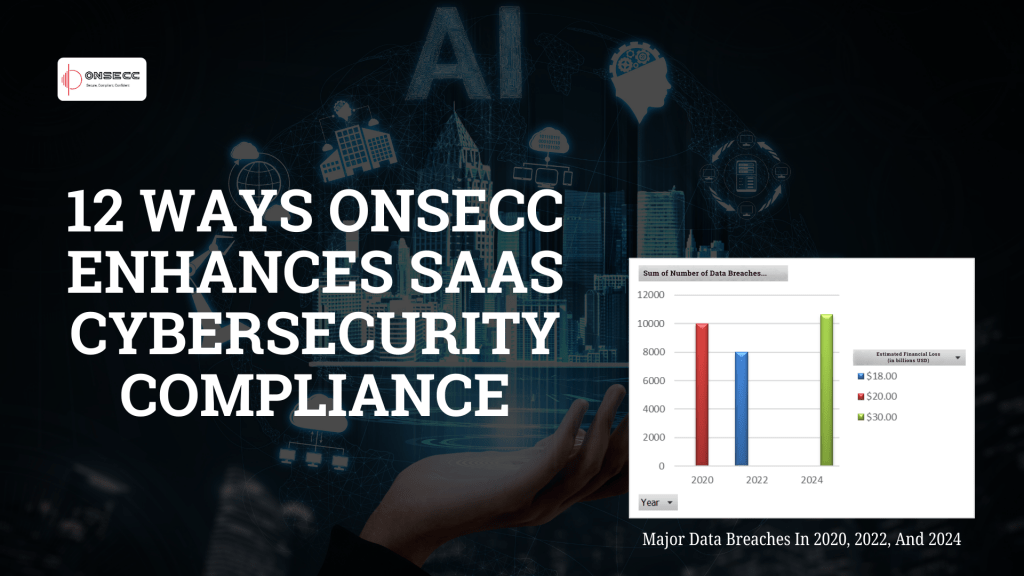
12 Ways Onsecc Enhances SaaS Cybersecurity Compliance With the growing reliance on cloud-based solutions, the Software-as-a-Service (SaaS) model has transformed how businesses operate. From email platforms to enterprise resource planning systems, SaaS solutions provide a flexible, cost-effective approach to managing software. Yet, as businesses migrate more critical operations to SaaS, ensuring cybersecurity compliance becomes increasingly complex. Compliance isn’t just about meeting regulatory demands; it’s a matter of safeguarding business integrity and protecting sensitive data from potential threats. Effective cybersecurity in the SaaS environment demands continuous attention to access control, data protection, monitoring, and timely updates. While many vendors offer solutions that focus on these aspects, Onsecc. stands out with its distinctive approach to addressing the key challenges of cybersecurity compliance in the SaaS ecosystem. In This Article: Understanding the Complexity of Cybersecurity Compliance for SaaS Key Challenges in Cybersecurity Compliance for SaaS How Onsecc Simplifies Cybersecurity Compliance for SaaS Why Onsecc Stands Out Conclusion Understanding the Complexity of Cybersecurity Compliance for SaaS Ensuring cybersecurity compliance for SaaS applications goes beyond simply maintaining firewalls or encrypting data. SaaS compliance refers to adhering to a series of legal, regulatory, and industry standards that ensure the security of data managed within SaaS applications. These regulations vary across different industries and regions, making the process multifaceted and often demanding. Some essential components of cybersecurity compliance in SaaS include: Data Protection Laws: Regulations such as GDPR, HIPAA, and CCPA require companies to safeguard personally identifiable information (PII) and ensure it is stored, processed, and transferred securely. Access Controls: SaaS platforms must enforce strict access controls to prevent unauthorized users from accessing sensitive information. Encryption: Strong encryption protocols are essential for protecting data both in transit and at rest. Continuous Monitoring and Auditing: Regular monitoring and auditing processes are necessary to detect potential vulnerabilities and ensure ongoing compliance. Vendor Management: When utilizing third-party SaaS providers, organizations must ensure that vendors meet security and compliance standards. Incident Response: Organizations must be prepared with an efficient incident response plan in case of a data breach or other security incidents. The nature of SaaS solutions can sometimes create a false sense of security, with companies mistakenly believing that because their software resides in the cloud, the responsibility for securing the environment lies entirely with the vendor. While SaaS providers take steps to secure the platform, users also need to implement specific practices to ensure complete security and compliance. Key Challenges in Cybersecurity Compliance for SaaS Diverse Regulations Across Regions and Industries: Each country or industry may impose different requirements for handling data. For example, businesses handling healthcare data need to comply with HIPAA in the U.S., while those with customers in the EU must comply with GDPR. Navigating through these varying standards can be challenging. Access Control Issues: In a SaaS environment, where remote workforces and third-party integrations are the norm, controlling access can be difficult. Misconfigured access controls can allow unauthorized users to access sensitive data, leading to potential breaches. Shared Responsibility Model: SaaS security often follows a shared responsibility model, where the service provider handles infrastructure security while the client is responsible for data and application security. This division can create gaps if the responsibilities are not clearly defined. Third-Party Risk: Using SaaS often involves integrating various third-party tools. These integrations can be a source of vulnerability if the connected applications are not secure. Lack of Visibility and Control: Companies may struggle to maintain visibility over their data once it is stored in the cloud, making it harder to detect and respond to potential threats in real-time. How Onsecc Simplifies Cybersecurity Compliance for SaaS Founded in 2017, Onsecc Pvt. Ltd. has quickly established itself as a global leader in cybersecurity services, particularly in Vulnerability Assessment and Penetration Testing (VAPT). Onsecc focuses on human-intelligence-based security testing, ensuring that organizations are not only compliant with regulations but also safeguarded against real-world threats. Here’s why Onsecc is a preferred partner for SaaS cybersecurity compliance. 1. Expertise in Vulnerability Assessment and Penetration Testing (VAPT) Onsecc specializes in identifying vulnerabilities across web applications, mobile platforms, IoT, and network environments. Their expertise in VAPT helps SaaS providers and users understand the vulnerabilities in their systems before they can be exploited. Onsecc’s proprietary testing methodologies provide a higher degree of accuracy, ensuring that all potential weaknesses are addressed. Regular vulnerability assessments and penetration tests are crucial in ensuring that your SaaS applications remain secure, even as new threats emerge. By leveraging Onsecc’s highly experienced VAPT team, organizations can be proactive in maintaining compliance with cybersecurity standards. 2. Tailored Solutions for Specific Compliance Needs Different industries have different compliance requirements. Onsecc understands the specific challenges faced by sectors such as healthcare, finance, and telecommunications, and offers tailored VAPT solutions to address their unique regulatory needs. Whether it’s ensuring compliance with GDPR, HIPAA, PCI-DSS, or SOC 2, Onsecc helps businesses navigate the complexities of regulatory frameworks. 3. Proactive Threat Detection and Response Onsecc’s human-intelligence-based approach ensures proactive identification of threats and vulnerabilities that automated tools might miss. This includes misconfigurations in SaaS applications, weak access controls, and data leaks that could lead to non-compliance or security breaches. Their approach helps organizations implement robust incident response plans to mitigate the impact of any breach or violation. 4. Continuous Compliance Monitoring and Auditing Ensuring compliance isn’t a one-time activity. Onsecc offers continuous monitoring and auditing services to help businesses remain compliant over time. This involves regularly testing controls, updating policies, and performing audits to ensure all compliance requirements are met. Onsecc’s approach ensures that as new regulations emerge, companies can adapt without compromising their security posture. 5. Advanced Access Control Measures Misconfigured access controls present a significant security risk in SaaS environments. With increasing amounts of sensitive data stored in cloud applications, robust access control measures are essential to ensuring that only authorized personnel can access specific resources. Onsecc addresses this by helping businesses implement strict role-based access controls (RBAC), ensuring that individuals can only interact with data and applications necessary for their job functions. This minimizes

Practical Insights into Implementing ISO/IEC 27001:2022
Cyber Security

Practical Insights into Implementing ISO/IEC 27001:2022

Practical Insights into Implementing ISO/IEC 27001:2022 Would you wonder if Implementing ISO/IEC 27001:2022 can be a straightforward process when approached with the right understanding and tools? This Onsecc’s article provides a practical perspective on what the standard entails, focusing on real-world application within organizations. In this Article: ISO/IEC 27001:2022 Overview Certification Types Key Terminology Implementation Steps Project Management and Documentation Risk Management and Control Implementation Internal Audit and Certification Preparation Conclusion Free Assessment ISO/IEC 27001:2022 Overview ISO/IEC 27001:2022 is an international standard that specifies the requirements for establishing, implementing, maintaining, and continually improving an Information Security Management System (ISMS). This standard covers both cybersecurity and information security, providing a framework for organizations to manage and protect their information assets. The standard is divided into clauses, specifically Clauses 4 to 10, which outline the mandatory requirements for organizations. These clauses must be followed regardless of the business type. Additionally, the standard includes an annexure that details 93 security controls organized into four categories: organizational, people, physical, and technological. When navigating the complexities of ISO/IEC 27001:2022, having a reliable partner like Onsecc can make all the difference. Onsecc specializes in guiding organizations through the intricate process of implementing and maintaining an effective ISMS, ensuring that every aspect of the standard is met with precision and confidence. Certification Types ISO/IEC 27001:2022 offers certifications for both individuals and organizations. Organizations can obtain certification to demonstrate that they have implemented the standard’s requirements. On the individual level, certifications are available for auditors, who assess compliance, and implementers, who apply the standard within the organization. Key Terminology When working with ISO/IEC 27001:2022, it’s crucial to differentiate between documents, specifications, and records: Documents: Broad category that includes any information stored in any medium, such as policies and procedures. Specifications: Specific documents that lay out precise requirements, such as the minimum password length and complexity. Records: Evidence that specific actions have been taken, such as logs of access to data. These distinctions are essential during audits, where records are reviewed to confirm that specifications have been met. Implementation Steps Implementing ISO/IEC 27001:2022 in an organization involves several key steps, beginning with obtaining management commitment. This is a critical step to ensure that the project has the necessary resources and support. The process typically starts with a project initiation phase, where a project manager is appointed, and a project charter is drafted. This charter outlines the scope, objectives, and roles and responsibilities within the project. Management’s commitment is formalized through a signed project charter, which is essential before moving forward. Project Management and Documentation Effective project management is vital for successful implementation. One of the tools used is a Gantt chart, which helps track the progress of various activities, such as management awareness sessions, scope definition, and risk assessment. Each activity should be documented with start and end dates, responsible parties, and progress percentages. For instance, defining the ISMS scope is an early task that determines the boundaries of the certification process. It’s important to understand the organization’s context, including internal and external issues, before conducting a gap assessment. The scope may vary depending on the organization’s locations and operations. Partnering with Onsecc means you gain access to expert support at every stage of your ISO/IEC 27001:2022 journey. From initial risk assessments to developing custom security controls, Onsecc’s team of seasoned professionals is dedicated to helping you achieve certification efficiently and effectively, minimizing disruptions to your operations. Risk Management and Control Implementation After defining the scope, the next step is to identify risks and develop a risk management process. This involves conducting a risk assessment, creating a statement of applicability, and selecting appropriate controls. The statement of applicability lists all the controls required by the organization and identifies any that are not applicable. Onsecc brings deep expertise in cybersecurity and compliance, making it an ideal partner for organizations striving to meet the stringent requirements of ISO/IEC 27001:2022. Our comprehensive approach ensures that your ISMS not only meets the standard but is also tailored to your specific business needs, enhancing your overall security posture. Once the controls are selected, they must be implemented and supported by policies and procedures. Training and awareness sessions are conducted to ensure that all employees understand their roles in maintaining information security. Loading… Internal Audit and Certification Preparation Before seeking external certification, it’s essential to conduct an internal audit to identify and address any non-conformities. Continuous improvement should be a focus throughout the project, with regular monitoring and review of the ISMS. Beyond achieving certification, Onsecc works with you to embed a culture of continuous improvement within your organization. We help you leverage the principles of ISO/IEC 27001:2022 to continually refine and strengthen your information security practices, keeping you ahead of emerging threats and regulatory changes. To prepare for the certification audit, it’s beneficial to explain the entire process to the client, including each step from initiation to certification. This transparency builds trust and ensures that the client is well-informed about what to expect. Conclusion Implementing ISO/IEC 27001:2022 is a structured process that requires careful planning, documentation, and management support. By following the steps outlined above, organizations can effectively build and maintain an ISMS that meets international standards and enhances their information security practices. Choosing Onsecc as your ISO/IEC 27001:2022 partner means placing your trust in a company committed to excellence. With a track record of success across various industries, Onsecc stands by your side, providing the tools, knowledge, and support needed to not only achieve compliance but to sustain it over the long term. Book A Free Call Contact info 3rd Floor, 86-90 Paul Street, London, EC2A 4NE, UK +44-2034880245 hello@onsecc.com Free Assessment Meet Author Shubham Pandey Linkedin-in Share Blog On Linkedin-in Google-plus-g Recent Posts: Strategies to Enhance Cybersecurity for Business Impact of Cybersecurity Breaches on Compliance Status The Most Frequent HIPAA Violations in 2024 and How to Prevent Them 10 Essential Regulatory Compliance Tips Every Business Owner Must Know The Impact of Data Breaches: Insights from Recent Years and the Role of

Best Strategies to Enhance Cybersecurity for Business | Onsecc
Cyber Security

Strategies to Enhance Cybersecurity for Business

Strategies to Enhance Cybersecurity for Business Cybercrime poses a significant threat to modern businesses, impacting companies of all sizes and sectors. Predicting a cyber-attack is challenging, whether due to inadequate security measures or an employee mistakenly opening a malicious attachment. The consequences can be devastating, making it crucial for business owners to prioritize cybersecurity. Cybersecurity for Business is essential to mitigate these risks. In This Article: Understanding the Impact of Cyber Threats The Relevance of Cybersecurity in the Modern Workplace Free Assessment Understanding the Impact of Cyber Threats While new threats continually emerge, robust cybersecurity tools and strategies can help safeguard valuable company data and protect employees and clients from digital threats. Here are essential cybersecurity tips to enhance business protection against cybercrime: Generate a Strong Password Policy Implementing a password policy is fundamental. Ensure that all users create strong, secure passwords that include: Lowercase and uppercase letters Special characters Numbers A minimum of 10 charactersEducate your team on creating strong passwords and enforce the policy across the organization. Since remembering complex passwords can be challenging, consider using a password manager to simplify password management. Regular Security Awareness Training Consistent security awareness training is vital for maintaining the health of your company. Even with technical support personnel, untrained employees can inadvertently cause security breaches. Training helps build a cybersecurity culture within your business, covering: Managing sensitive data Safe internet usage Creating secure passwords Protecting mobile devices Antivirus and Antimalware Protection Equip your business with professional-grade, up-to-date antivirus and antimalware software on all systems. Ensure all tools and systems used by employees have the latest operating system and software versions installed. If updates are available, install them promptly to maintain optimal protection. Regular Backups Having a robust backup policy is critical. Backups enable data recovery in case of accidents or ransomware attacks. Implement the 3-2-1 backup strategy: Three backup versions On two different media One offsite securely stored copyRegularly test backups to ensure data can be recovered when needed. Invest in Expert Cybersecurity Products Invest in high-quality cybersecurity products from reputable specialists. Essential products to consider include: Antivirus software VPN applications Firewall applicationsKeep these tools up-to-date to defend against current digital threats. Limit and Manage Administrative Privileges Carefully control administrative privileges within your organization. Only grant admin rights to those who absolutely need them and reconsider if necessary. For those with admin access: Limit access to sensitive information Use strong passwords to protect user accounts Regularly record and monitor access activities to detect unauthorized entry attempts Conduct Penetration Testing Simulate cyber-attacks on your own systems to identify vulnerabilities. Collaborate with IT experts or specialized companies to perform penetration testing. By uncovering security weaknesses, you can implement improvements to better protect your network, business, and customer data. Implementing these strategies will enhance your business’s cybersecurity posture, ensuring robust protection against cyber threats. By staying proactive and vigilant, you can safeguard your company’s valuable assets and maintain the trust of your employees and clients. Loading… The Relevance of Cybersecurity in the Modern Workplace Moving a small business online can significantly boost brand development and open up new avenues for selling products or services. However, taking a business online also exposes it to cyber-attacks, necessitating a robust cybersecurity policy alongside a strong digital marketing strategy. Cyber-attacks can have devastating consequences, especially for small businesses, making it crucial to prioritize cybersecurity in the modern workplace. The Impact of Cyber-Attacks on Businesses Cyber-attacks can be detrimental to any organization, potentially resulting in: Loss of data and personal information Financial losses Compromised customer data and credit information Substantial reputation damage and identity issues It is reported that up to 43 percent of all online cyberattacks target small businesses, largely because they are less likely to have comprehensive cybersecurity measures in place. Small businesses often lack dedicated cybersecurity teams and may not fully appreciate the depth of online security threats. Fortunately, specialized security firms can help mitigate risks and secure companies of any size. Meanwhile, here are some essential cybersecurity guidelines to protect businesses from online threats. Encouraging Security Conversations within the Company Promoting a culture of safety is vital. If cybersecurity is not a priority for employees, the company remains at high risk, as technology alone cannot cover gaps left by untrained personnel. Similar to not leaving the front door open despite having a security system, investing in cybersecurity technologies is ineffective if employees are not trained in secure online practices. Mandatory Security Awareness Training: Conduct annual or semi-annual training sessions to keep all employees updated on safe practices. Cybersecurity threats evolve, and employees need to stay informed to effectively avoid attacks. Quick responses to potential threats can minimize significant losses. Distributing Cybersecurity Guidelines Merely informing staff about cybersecurity practices is insufficient; organizations must hold employees accountable. Develop and distribute a comprehensive cybersecurity policy that includes: Identifying Scams: Guidelines on recognizing and avoiding scams. Developing Safe Passwords: Instructions on creating strong, secure passwords. Internet Usage: Rules on accessing the internet at work, potentially limiting or prohibiting personal use to avoid risky behavior. The policy should also specify who manages security risks and outline the communication chain for reporting potential issues. Clear instructions on handling sensitive data and restricting access to authorized personnel or departments will enhance data security. Encrypting Data Encryption should be a standard practice in the workplace. Encrypting data ensures that even if unauthorized parties access it, they cannot read or use it without the correct authorization. This practice protects confidential information and secures communications between employees. Always Encrypt Data: Encryption prevents unauthorized access to sensitive information, making data breaches less damaging. Consistently encrypting emails and files minimizes the risk of leaks and protects the organization and its employees. Investing in Professional Cybersecurity Solutions Utilize professional-grade cybersecurity products, including: Antivirus Software VPN Applications Firewall ApplicationsEnsure these tools are regularly updated to defend against current threats. Consulting with cybersecurity experts can provide additional protection and insights tailored to your business’s specific needs. Limiting and Managing Administrative Privileges Control administrative privileges carefully to minimize the risk

Impact of Cybersecurity Breaches on Compliance Status Onsecc
Cyber Security

Impact of Cybersecurity Breaches on Compliance Status

Impact of Cybersecurity Breaches on Compliance Status Imagine waking up to find that a cybersecurity breach has compromised your company’s sensitive data, exposing you to severe legal and financial repercussions. For CEOs, IT managers, and compliance officers, the challenge of maintaining strong security while meeting stringent regulations can be daunting. This article explores the critical impact of cybersecurity breaches on compliance status, uncovering the severe repercussions organizations face and offering actionable insights to protect your data and reputation. Read on to learn how you can address these challenges and shield your business from the devastating consequences of non-compliance. In This Article: Understanding Cybersecurity Breaches The Repercussions of Non-Compliance Types of Cybersecurity Breaches Key Regulations and Standards Conclusion Free Assessment Understanding Cybersecurity Breaches A cybersecurity breach occurs when unauthorized individuals gain access to an organization’s computer systems or data. This access can be accidental or intentional, and the compromised data often includes sensitive information such as personal data, financial information, intellectual property, and trade secrets. The Importance of Compliance in Cybersecurity Cybersecurity compliance involves adhering to a set of regulations and standards established by governing bodies or industry-specific organizations. These regulations aim to protect sensitive information and ensure data privacy. Compliance is vital for organizations of all sizes, as it helps to: Reduce cyber risks and minimize the likelihood of data breaches. Show a commitment to data security and build trust with customers and stakeholders. Avoid legal and financial repercussions associated with non-compliance. The Connection Between Cybersecurity Breaches and Compliance Status A cybersecurity breach can significantly impact an organization’s compliance status. If a breach exposes sensitive data due to inadequate security measures, it can be considered a violation of compliance regulations. This can lead to a range of consequences, including fines, penalties, lawsuits, and reputational damage. The Repercussions of Non-Compliance Non-compliance with cybersecurity regulations can have severe repercussions. These include: Financial Penalties Regulatory bodies can impose significant fines on organizations that fail to comply with data protection and security standards. For example, under the GDPR, organizations can face fines up to €20 million or 4% of their annual global turnover, whichever is higher. Legal Action Data breaches can lead to lawsuits from affected individuals or regulatory bodies. These lawsuits may allege negligence, breach of contract, or violation of privacy rights. Reputational Damage Public exposure of a breach can severely damage an organization’s reputation. Customers and business partners may lose trust in the organization’s ability to protect their data, leading to a loss of business and brand loyalty. Types of Cybersecurity Breaches Cybersecurity breaches can cripple an organization, leading to massive financial losses, legal troubles, and irreparable reputational damage. Dive into this section to uncover the various types of breaches and learn how they exploit vulnerabilities, so you can protect your business and avoid becoming the next victim of a devastating attack. Common Types of Cybersecurity Breaches Malware Attacks: Malicious software, or malware, can be installed on a system through phishing emails, infected websites, or removable media. Once installed, malware can steal data, disrupt operations, or render systems unusable. Phishing Attacks: These attacks trick users into revealing sensitive information, such as usernames, passwords, or credit card details. They often involve emails or websites that appear legitimate but are designed to steal information. Ransomware Attacks: Ransomware encrypts a victim’s files, rendering them inaccessible. Attackers then demand a ransom payment in exchange for a decryption key. Data Leaks: Data leaks can occur accidentally or intentionally. Accidental leaks happen due to human error, such as misconfigured systems or sending sensitive information to the wrong recipient. Intentional leaks can be carried out by disgruntled employees, malicious actors, or through cyber espionage. Loading… Importance of Compliance in Cybersecurity Imagine your organization as a stronghold, strengthened by stringent regulations and standards designed to fend off cyber threats. Compliance in cybersecurity is akin to constructing sturdy defences and implementing watchful sentinels, ensuring that your sensitive data remains protected from the relentless assault of cybercriminals. In today’s interconnected world, compliance goes beyond mere adherence to rules; it embodies a proactive approach to safeguarding valuable assets. By following established regulations set forth by governing bodies and industry leaders, organizations not only mitigate cyber risks but also cultivate trust among customers and stakeholders. These standards serve as a blueprint for implementing robust data protection measures, ensuring that every aspect of your cybersecurity strategy is fortified against potential breaches. Embracing cybersecurity compliance isn’t just a matter of regulatory adherence; it’s a strategic imperative that strengthens your organization’s defences, instils confidence in your stakeholders, and shields your reputation from the damaging effects of non-compliance. By prioritizing compliance, organizations pave the way for resilient cybersecurity frameworks that stand firm against the evolving challenges of cyber threats. Key Regulations and Standards Prominent Examples General Data Protection Regulation (GDPR): This regulation in EU law on data protection and privacy in the European Union (EU) and the European Economic Area (EEA) also addresses the transfer of personal data outside these areas. The GDPR aims to give control to individuals over their personal data and simplify the regulatory environment for international business by unifying the regulation within the EU. Health Insurance Portability and Accountability Act (HIPAA): HIPAA mandates the privacy and security of certain health information. It applies to healthcare providers, health plans, and healthcare clearinghouses. HIPAA requires these entities to implement appropriate safeguards to protect covered health information. Payment Card Industry Data Security Standard (PCI DSS): This is an information security standard for organizations that handle cardholder information. It is mandated by major credit card brands and administered by the PCI Security Standards Council. The PCI DSS outlines controls that organizations must implement to ensure the confidentiality, integrity, and availability of cardholder data. Direct Impact of Cybersecurity Breaches on Compliance Status A cybersecurity breach can have a significant and immediate impact on an organization’s compliance status. Here’s a breakdown of the consequences: Immediate Legal and Regulatory Consequences Regulatory bodies can impose significant fines on organizations that fail to adequately protect personal data or violate compliance regulations due

HIPAA Violations | Onsecc
Cyber Security

The Most Frequent HIPAA Violations in 2024 and How to Prevent Them

The Most Frequent HIPAA Violations in 2024 and How to Prevent Them HIPAA violations often stem from non-compliance with Privacy, Security, or Breach Notification Rules. Learn about the most frequent 2024 violations and how Onsecc can help protect your healthcare organization. This article details ten common HIPAA violations, real-life examples, consequences, and preventive measures to help healthcare providers stay compliant. Key Points Overview of HIPAA regulations Common HIPAA violations Real-life examples of violations Consequences of HIPAA violations Tips to avoid these violations Free Assessment Introduction HIPAA (Health Insurance Portability and Accountability Act) is a vital regulation for protecting patient information in the healthcare industry. This article aims to highlight common HIPAA violations and the importance of staying compliant to avoid penalties and protect patient information. HIPAA regulations ensure the confidentiality, integrity, and availability of protected health information (PHI). Compliance is crucial for healthcare providers to avoid hefty fines and safeguard patient data. 1. Healthcare Employees Divulging Patient Information Overview: Sharing patient information without consent is a direct HIPAA violation. Real-life Example: In 2014, UCLA Health System was fined $865,000 for unauthorized access to celebrity health records. Consequences: Healthcare providers face legal action and hefty fines. Preventive Measures: Conduct regular employee training on PHI confidentiality. Implement strict access controls. Monitor and audit access logs. 2. Medical Records Falling Into the Wrong Hands Overview: Mishandling physical and digital records poses significant risks. Case Study: In 2017, the Feinstein Institute paid $3.9 million for a stolen, unencrypted laptop containing PHI. Importance: Secure storage and encryption are essential for protecting records. Best Practices: Encrypt all digital records. Store physical records in locked, secure areas. Implement access controls and regular audits. 3. Sharing PHI Using Non-Secure Methods Overview: Using unsecured communication methods can lead to PHI breaches. Examples: Text messages and personal emails. Impact: Breaches compromise patient privacy and can lead to legal consequences. Recommendations: Use secure communication tools. Implement end-to-end encryption for emails. Train staff on secure communication practices. 4. Posting PHI on Social Media Overview: Sharing patient information on social media is a serious violation. Case: A healthcare provider was fined $50,000 for responding to a negative review with patient details. Consequences: Legal and ethical repercussions. Social Media Policy Guidelines: Prohibit sharing PHI on social media. Train staff on social media use and HIPAA compliance. Monitor social media accounts for compliance. 5. Accessing Patient Files Without Authorization Overview: Unauthorized access to patient records is a common violation. Example: In 2015, a Texas hospital was fined $3.5 million for unauthorized access. Security Measures: Implement role-based access controls. Regularly review and update access permissions. Conduct audits to detect unauthorized access. Employee Training: Educate staff on access protocols. Emphasize the importance of patient confidentiality. Provide regular compliance training sessions. Loading… 6. Using Weak Third-Party Technology Overview: Non-compliant third-party applications pose security risks. Incident: In 2019, a third-party vendor breach exposed the PHI of 11 million patients. Criteria for Selecting Technology: Ensure third-party vendors are HIPAA-compliant. Conduct regular audits and assessments of vendors. Use contracts to enforce compliance requirements. 7. Delaying Breach Notification Overview: Timely breach notification is crucial under HIPAA. Case: Anthem Inc. was fined $16 million for delayed breach notification affecting 79 million individuals. Steps to Ensure Prompt Reporting: Develop a breach response plan. Train staff on breach reporting procedures. Regularly review and update the breach response plan. Impact: Timely notifications maintain patient trust and comply with HIPAA regulations. 8. Absence of Risk Management Overview: Regular risk assessments are necessary for compliance. Example: Advocate Health Care was fined $5.5 million for failing to conduct risk assessments. Components of an Effective Risk Management Plan: Identify and assess potential risks. Implement measures to mitigate identified risks. Continuously monitor and update risk management strategies. Continuous Monitoring: Perform regular security audits. Update risk management plans based on audit findings. Engage third-party experts for risk assessments. 9. Not Having an Incident Response Plan Overview: A structured response plan for breaches is essential. Example: Inadequate response led to severe consequences for a healthcare provider fined $2.75 million. Key Elements of an Incident Response Plan: Define roles and responsibilities. Establish communication protocols. Develop procedures for identifying, containing, and mitigating breaches. Training Staff: Conduct regular incident response drills. Provide clear guidelines on reporting incidents. Update the response plan based on feedback and new threats. 10. Disposing of e-PHI Improperly Overview: Proper disposal methods for electronic health information are crucial. Case: New England Dermatology paid $300,000 for improperly disposing of patient specimen containers. Guidelines for Secure Disposal: Use certified data destruction services. Ensure physical destruction of hard drives. Document disposal procedures and maintain records. Regular Audits: Audit disposal practices periodically. Ensure compliance with HIPAA standards. Update disposal policies as needed. Conclusion Avoiding HIPAA violations is crucial for protecting patient information and maintaining compliance. By understanding common violations, learning from real-life examples, and implementing preventive measures, healthcare providers can safeguard patient data and avoid penalties. Continuous education and proactive compliance efforts are essential for staying up-to-date with HIPAA regulations. Book A Free Call Contact info 3rd Floor, 86-90 Paul Street, London, EC2A 4NE, UK +44-2034880245 hello@onsecc.com Free Assessment Meet Author Shubham Pandey Linkedin-in Share Blog On Linkedin-in Google-plus-g Recent Posts: 10 Essential Regulatory Compliance Tips Every Business Owner Must Know The Impact of Data Breaches: Insights from Recent Years and the Role of Onsecc in Safeguarding Business Interests Navigating the American Privacy Rights Act: Understanding the Impact on the Privacy Landscape Ensuring Cybersecurity Compliance with AI: A Guide for Executive Leaders Understanding Cybersecurity Compliance Behavior: A Deep Dive Decision-Making Styles Cybersecurity Compliance Concerns Rise as Ransomware Strikes The Big Issue How Cybersecurity Compliance Boosts Business Maturity Business Continuity vs Disaster Recovery – Essential Distinctions for Onsecc Clients FAQs What are the consequences of a HIPAA violation? Violations can lead to hefty fines, legal action, and damage to an organization’s reputation. How can healthcare providers avoid HIPAA violations? By implementing strong security measures, regular employee training, and thorough risk assessments. What should be included in a HIPAA compliance training program? Training should cover HIPAA regulations,

Regulatory compliance | Onsecc
Cyber Security

10 Essential Regulatory Compliance Tips Every Business Owner Must Know

10 Essential Regulatory Compliance Tips Every Business Owner Must Know Regulatory compliance is a critical aspect for businesses, ensuring that operations align with laws, regulations, and standards set by governing bodies. Navigating these requirements can be challenging, but it is essential for maintaining business integrity and avoiding severe penalties. In This Article: Introduction Understanding Regulatory Compliance Benefits of Compliance Conclusion Incorporating statistics and data Free Assessment Introduction Regulatory compliance refers to an organization’s adherence to laws, regulations, guidelines, and specifications relevant to its business operations. Compliance ensures that companies operate within the legal framework and uphold standards set by regulatory bodies. The importance of regulatory compliance spans across various industries, from healthcare and finance to technology and manufacturing. Non-compliance can lead to severe consequences, including legal penalties, financial losses, and reputational damage. This article covers ten essential tips every business owner must know to navigate the complex landscape of regulatory compliance effectively. Understanding Regulatory Compliance Regulatory compliance involves understanding and adhering to a set of regulations and standards applicable to a business. These regulations are designed to protect public interest, ensure fair practices, and maintain ethical standards within industries. Importance of Compliance Compliance is crucial for maintaining operational efficiency and public trust. It ensures that businesses operate within legal boundaries and uphold ethical standards. Compliance also helps in avoiding legal penalties and financial repercussions. Common Compliance Challenges Businesses often face challenges such as understanding complex regulations, keeping up with regulatory changes, and implementing effective compliance management systems. These challenges can hinder compliance efforts and increase the risk of non-compliance. Benefits of Compliance Adhering to compliance regulations offers several benefits, including legal protection, enhanced reputation, operational efficiency, and trust with customers and stakeholders. Compliance also minimizes risks and helps in maintaining a competitive edge. 1. Understand the Specific Regulations for Your Industry Understanding the regulations specific to your industry is the first step towards compliance. Each industry has unique regulatory requirements, and it’s crucial to identify and understand them thoroughly. Identify relevant regulations (e.g., GDPR for data protection, HIPAA for healthcare) Determine specific requirements for compliance Regularly update your knowledge on regulatory changes 2. Implement a Compliance Management System A compliance management system helps in systematically managing compliance efforts. It ensures that all regulatory requirements are met efficiently. Key components of a compliance management system include policies, procedures, and controls Benefits of using compliance management software include automation, efficiency, and accuracy Steps to implement a compliance management system involve planning, execution, monitoring, and continuous improvement Loading… 3. Conduct Regular Compliance Audits Regular audits help in identifying and rectifying compliance issues. They ensure that the business adheres to all regulatory requirements. Importance of compliance audits: they identify gaps and areas for improvement Steps to conduct an effective compliance audit: planning, execution, reporting, and follow-up Frequency of audits: regular intervals, typically annually or semi-annually, depending on industry requirements 4. Train Employees on Compliance Requirements Employee training ensures that everyone is aware of compliance requirements. A well-informed workforce is crucial for maintaining compliance. Topics to cover in training sessions: regulatory requirements, company policies, and procedures Methods of delivering training: in-person sessions, online courses, and workshops Assessing the effectiveness of training: through quizzes, feedback, and performance assessments 5. Develop Clear Compliance Policies and Procedures Clear policies and procedures provide a framework for maintaining compliance. They guide employees on how to comply with regulatory requirements. Essential elements of compliance policies: purpose, scope, responsibilities, and procedures How to document procedures effectively: use clear and concise language, including step-by-step instructions Ensuring policies are accessible to all employees: through an internal portal or manual 6. Monitor and Report Compliance Activities Continuous monitoring and reporting help in maintaining compliance. They ensure that all activities are aligned with regulatory requirements. Tools and techniques for monitoring compliance: software solutions, regular checks, and audits Importance of reporting in compliance management: transparency and accountability Key metrics to track: compliance rates, incidents, and corrective actions 7. Engage with Regulatory Experts Engaging with experts can provide valuable insights and guidance. They help in understanding complex regulations and implementing effective compliance strategies. Benefits of consulting with regulatory experts: expertise, experience, and up-to-date knowledge Types of regulatory experts to engage: consultants, legal advisors, and industry specialists How to choose the right expert for your business: based on their experience, reputation, and alignment with your business needs 8. Implement Strong Data Protection Measures Data protection is a crucial aspect of regulatory compliance. Protecting sensitive information is essential for maintaining trust and avoiding legal issues. Best practices for data protection: encryption, access controls, and regular backups Tools and technologies for data security: firewalls, antivirus software, and intrusion detection systems Legal implications of data breaches: financial penalties, legal action, and reputational damage 9. Stay Updated on Regulatory Changes Regulations are constantly evolving, so staying updated is essential. Keeping abreast of changes ensures that your compliance program remains effective. Sources of regulatory updates: government websites, industry associations, and regulatory bodies How to integrate updates into your compliance program: review and revise policies, train employees, and update compliance management systems Importance of proactive compliance management: it helps in anticipating and preparing for regulatory changes 10. Conduct Risk Assessments Regularly Risk assessments help in identifying potential compliance issues. They ensure that risks are managed proactively and effectively. Steps to conduct a risk assessment: identify risks, analyze their impact, and develop mitigation strategies Tools for risk assessment: risk assessment software, checklists, and templates How to mitigate identified risks: implement controls, monitor their effectiveness, and review regularly Conclusion Regulatory compliance is essential for every business, ensuring that operations align with laws and standards set by regulatory bodies. By understanding specific regulations, implementing a compliance management system, conducting regular audits, training employees, and staying updated on regulatory changes, businesses can maintain compliance effectively. Proactive compliance management not only helps in avoiding legal penalties but also enhances operational efficiency and public trust. Incorporating statistics and data: According to a recent study, businesses that maintain strong compliance programs reduce their risk of regulatory fines by up to 50%.

Data Breaches | Onsecc
Cyber Security

The Impact of Data Breaches: Insights from Recent Years and the Role of Onsecc in Safeguarding Business Interests

The Impact of Data Breaches: Insights from Recent Years and the Role of Onsecc in Safeguarding Business Interests For businesses, addressing the impact of data breaches with strategic compliance and robust security measures is essential, not optional. By analyzing past breaches and forecasting future challenges, companies can better protect their assets, safeguard their customers, and secure their futures in the digital landscape. Scrutinize the most significant recent cybersecurity breaches to understand their extensive impact and see how strategic compliance plays a critical role in risk mitigation. Discover how your business can enhance its cybersecurity protocols to shield against the evolving threats that characterize today’s digital age. In this article: Introduction Understanding the Landscape of Data Breaches Impact of Data Breaches on Businesses Significant of Recent Cybersecurity Breaches Personal Perspective on the Impact of Data Breaches Trends and Lessons from Cybersecurity Breaches Strategic Compliance as a Mitigation Tool Response of the Industry Leaders Why Onsecc is the Best Choice Conclusion Free Assessment Introduction In an era dominated by digital transformation, data breaches have become an increasingly prevalent threat to businesses worldwide. Recently, numerous high-profile breaches have rocked industries, leaving a trail of compromised data and shattered trust in their wake. This article delves into the impact of these breaches on businesses and explores the measures undertaken by industry leaders like Sprinto, Drata, OneTrust, and notably, Onsecc, to mitigate such risks and protect sensitive information. Understanding the Landscape of Data Breaches The period spanning 2021 to 2024 witnessed a slew of data breaches affecting organizations across various sectors. From multinational corporations to small businesses, no entity was immune to the threat posed by cybercriminals. Notable breaches during this time included those targeting financial institutions, healthcare providers, government agencies, and technology companies. These breaches compromised sensitive data such as personal information, financial records, and intellectual property, leading to severe repercussions for the affected entities. Impact of Data Breaches on Businesses The ramifications of data breaches extend far beyond immediate financial losses. Businesses face reputational damage, legal liabilities, regulatory fines, and erosion of customer trust. The aftermath of a breach often entails costly remediation efforts, including forensic investigations, data restoration, and cybersecurity enhancements. Moreover, the long-term impact on brand perception can significantly impede business growth and market competitiveness. As such, safeguarding against data breaches has become a top priority for organizations seeking to protect their assets and preserve their reputation. Significant of Recent Cybersecurity Breaches Here is a detailed overview of some of the most impactful cybersecurity incidents over the past decade, which have shaped the current understanding and approaches to digital security: Year Incident Impact 2024 Russian Web Hosting Data Leak 54 million user profiles exposed 2024 Microsoft Azure Data Breach Senior executives’ accounts compromised 2024 Bank of America Data Breach Personal and account details of customers compromised 2024 Cyber Attack on Russian Center for Space Hydrometeorology (Planeta) 2 petabytes of data deleted, impacting state entities 2024 Mother of All Breaches (MOAB) 26 billion records leaked 2024 Trello Data Breach 15 million users affected 2024 Indian Telecom Data Breach 750 million users’ data compromised 2023 Indian Council of Medical Research Data Breach 81.5 million citizens’ identification and passport details exposed 2023 23andMe Data Leak 6.9 million user accounts affected 2023 MOVEit Data Breach 62 million individuals and 2,000 organizations affected These incidents highlight the need for robust cybersecurity strategies and underscore the vast scale of potential data exposure. Each breach not only led to substantial financial losses but also eroded public trust and compromised personal security. Loading… Personal Perspective on the Impact of Data Breaches Cybersecurity Expert, Jane Smith, CEO of SecurePath Solutions: “Every data breach is a stark reminder that our defences must evolve faster than the threats. In 2024, we saw sophisticated attacks that could have been mitigated by proactive cybersecurity measures. Businesses need to understand that it’s not about if, but when a breach will occur, and preparation is key.” John Doe, CISO of NextGen Health: “The breach we experienced last year was a wake-up call. It exposed not just our data but the vulnerabilities in our processes. Since then, we’ve overhauled our security protocols, focusing on both prevention and rapid response. It’s a continual learning process to stay one step ahead of potential threats.” Amanda Lee, Founder of FinTech Startup, MoneySafe: “Losing customer data to a breach was my worst nightmare come true. The incident taught us the hard way that trust is hard to earn and easy to lose. We’ve invested heavily in securing our platforms and educating our users about data security. It’s an ongoing battle to rebuild that trust.” Robert Chen, CEO of TechnoGlobal: “Our response to the data breach last year was a turning point for our company. We learned that transparency with our customers and swift action are crucial in managing the fallout. Implementing stringent security measures and working with cybersecurity leaders like Onsecc has been essential in our recovery and prevention strategy.” Emily Zhao, Director of Risk Management at Enterprise Solutions: “Navigating the aftermath of a data breach was challenging, but it was also an opportunity for growth. We’ve enhanced our security posture significantly, adopting cutting-edge technologies and frameworks to protect against future incidents. Partnering with cybersecurity experts has been integral to our strategy.” Trends and Lessons from Cybersecurity Breaches Analyzing these breaches, several key trends emerge: Increase in Scale and Sophistication: Attacks are becoming more sophisticated, targeting sensitive personal and corporate information. Vulnerability of Cloud Services: Many breaches involve cloud storage and services, highlighting the need for improved security protocols in cloud computing. Impact on Large Populations: Breaches increasingly affect large segments of the population, underlining the importance of robust personal data protection laws. From these incidents, it becomes clear that continuous updates to cybersecurity strategies and compliance protocols are crucial. Businesses must adopt a layered security approach, combining technology, policy, and training to mitigate risks. Strategic Compliance as a Mitigation Tool To protect against such vulnerabilities, businesses must develop and maintain a strategic compliance management system that includes: Regular Risk

American Privacy Rights Act (APRA) | Onsecc
Cyber Security

Navigating the American Privacy Rights Act: Understanding the Impact on the Privacy Landscape

Navigating the American Privacy Rights Act: Understanding the Impact on the Privacy Landscape In an age where digital privacy is essential, the American Privacy Rights Act (APRA) is a crucial step in the evolution of U.S. privacy laws. This guide explores the APRA in detail, aiming to clarify its complexities and highlight its effects on individuals and businesses alike. Whether you’re a consumer seeking to understand your rights or a business navigating new regulations, this article provides key insights to help you adapt to the changing data privacy environment. Join us as we delve into the future of digital rights and see how this significant legislation is redefining American privacy standards. Table of Contents: Introduction to the American Privacy Rights Act Key Components of the Act Implications for Businesses Consumer Perspectives and Privacy Concerns How Onsecc Can Assist with APRA Compliance and Understanding Future Outlook and Potential Amendments Conclusion Free Assessment Introduction to the American Privacy Rights Act Let’s do an Overview of the Act, the American Privacy Rights Act (APRA) is a proposed federal privacy law aimed at establishing a comprehensive privacy framework across the United States. This legislation seeks to harmonize the disjointed state privacy laws into a singular national standard, empowering individuals with greater control over their data. Historical Context of Privacy Rights Legislation is the call for a unified federal privacy law. That has gained momentum following the fragmentation caused by state-specific laws like the California Consumer Privacy Act (CCPA). The APRA builds on lessons learned from past legislative efforts and aims to consolidate these varying regulations into one coherent policy. Key Objectives and Goals of the Act are Primarily, the APRA aims to enhance personal data protection, ensure transparency in data processing, and establish clear accountability for data handlers. It introduces measures designed to protect consumer rights while balancing the operational needs of businesses. Key Components of the American Privacy Rights Act Data Protection MeasuresThe APRA outlines strict guidelines for data minimization, purpose limitation, and storage limitation to ensure that data collection and processing are conducted responsibly. Individual Rights and ResponsibilitiesConsumers are granted several rights under the APRA, including the right to access, correct, delete, and port their data. Furthermore, it introduces the right to opt out of certain data processing activities, like targeted advertising and the sale of personal information. Enforcement and Compliance MechanismsThe enforcement of the APRA will be overseen by the Federal Trade Commission (FTC), with provisions for state attorneys general to take action against non-compliance. The Act also proposes the creation of a Data Protection Agency to specifically address privacy rights enforcement. Implications of the American Privacy Rights Act on Businesses Compliance Challenges for CompaniesBusinesses will need to navigate the complexities of the APRA’s requirements, potentially overhauling their existing data handling and processing practices to ensure compliance. Data Handling and Security RequirementsThe Act mandates stringent security measures to protect data integrity and confidentiality. Businesses will be required to implement and maintain comprehensive data protection and cybersecurity programs. Impact on Marketing and AdvertisementsThe APRA significantly affects how businesses can engage in marketing and advertising, particularly with the restrictions on targeted advertising and data sharing. Consumer Perspectives and Privacy Concerns Transparency and Consent IssuesThe APRA emphasizes informed consent, requiring businesses to provide clear and comprehensible privacy notices, thus promoting transparency in data usage. Trust and AccountabilityBy enforcing strict compliance and holding data processors accountable, the APRA aims to restore consumer trust in digital transactions and interactions. Potential Benefits for ConsumersConsumers stand to benefit from enhanced privacy protections and greater control over their personal information, leading to a more secure and privacy-respecting digital environment. How Onsecc Can Assist with APRA Compliance and Understanding Section Key Points How Onsecc Can Help Overview of APRA A proposed federal privacy law aimed to harmonize state privacy laws and enhance data protection nationally. Onsecc can provide detailed briefings on the APRA’s provisions and implications for national data protection. Historical Context Follows state-specific laws like CCPA; aims to consolidate fragmented regulations into a national standard. Onsecc can offer historical insights into privacy legislation and how APRA evolves from these precedents. Objectives and Goals Enhance data protection, ensure processing transparency, and establish clear accountability. Onsecc can help organizations align their policies with the objectives and compliance requirements of the APRA. Data Protection Measures Guidelines for data minimization, purpose limitation, and secure data storage. Onsecc can assist in implementing the required data protection measures to meet APRA standards. Individual Rights Rights to access, correct, delete, port data, and opt-out of specific data uses. Onsecc can help establish systems that enable consumers to exercise their rights under the APRA. Enforcement and Compliance FTC oversight, potential for state attorney general action, and creation of a Data Protection Agency. Onsecc can prepare businesses for audits and compliance checks by regulatory bodies. Business Implications Companies may need to overhaul data handling practices and ensure robust security measures. Onsecc can provide strategic advice on adjusting business practices to meet new legal requirements. Marketing Impacts Restrictions on targeted advertising and data sharing affecting marketing strategies. Onsecc can guide marketing strategies to align with the new restrictions while maintaining effectiveness. Consumer Benefits Enhanced privacy protections and control over personal information. Onsecc can educate consumers on how to leverage their enhanced rights for better personal data control. Future Outlook Potential amendments to address new privacy challenges and feedback from various industries. Onsecc can offer foresight into potential changes and help stakeholders adapt to an evolving privacy landscape. Legislative Comparison APRA proposes a more comprehensive and national approach compared to existing state laws. Onsecc can analyze and compare APRA to other privacy laws, providing a clearer understanding of its benefits. Non-compliance Consequences Significant penalties including fines and enforcement actions for failing to comply with APRA’s stipulations. Onsecc can help implement compliance frameworks to avoid penalties and enhance data governance. Exercising Rights Mechanisms for consumers to manage their data preferences and rights directly with data controllers. Onsecc can design and implement user-friendly interfaces for consumers to manage their privacy settings.

AI in Cybersecurity Compliance | Onsecc
Cyber Security

Ensuring Cybersecurity Compliance with AI: A Guide for Executive Leaders

Ensuring Cybersecurity Compliance with AI: A Guide for Executive Leaders In an increasingly interconnected world, cybersecurity governance plays a pivotal role in safeguarding organizational data and mitigating risks. As organizations grapple with evolving cyber threats, the integration of AI technologies emerges as a promising solution. This article serves as a guide for executive leaders, offering insights into harnessing Artificial Intelligence for threat detection, mitigating biases, ensuring regulatory compliance, and managing workforce transitions. By exploring these critical facets, organizations can effectively leverage AI to safeguard their digital assets and uphold cybersecurity standards. In This Article: Understanding the Role of AI in Cybersecurity Compliance Addressing Ethical Considerations in AI-driven Cybersecurity Managing Risks Associated with AI Implementation Onsecc: Pioneering Cybersecurity Solutions Implementing Effective AI Governance for Cybersecurity Conclusion Free Assessment Understanding the Role of AI in Cybersecurity Compliance Introduction In today’s digital landscape, cybersecurity governance is more critical than ever. The integration of AI technologies has significantly impacted how organizations approach threat detection, risk mitigation, and compliance adherence. Executive leaders play a pivotal role in grasping the implications of AI in cybersecurity and steering their companies towards effective measures. This guide delves into the various facets of AI in cybersecurity compliance and offers insights for executive leaders on harnessing the power of Artificial Intelligence securely. Harnessing Artificial Intelligence for Threat Detection and Prevention AI presents a revolutionary solution for enhancing threat detection and prevention in cybersecurity. By leveraging machine learning algorithms, organizations can analyze vast volumes of data in real-time to identify anomalies and potential security breaches proactively. This proactive approach allows companies to stay ahead of cyber threats and safeguard their digital assets effectively. Automating Compliance Processes with Artificial Intelligence Solutions One significant advantage of Artificial Intelligence in cybersecurity governance is its ability to streamline compliance processes. Artificial Intelligence can automate routine tasks such as monitoring regulatory changes, conducting audits, and generating compliance reports. This automation not only saves time and resources but also reduces the risk of human errors, ensuring consistent adherence to cybersecurity protocols. Monitoring regulatory changes Conducting audits Generating compliance reports Addressing Ethical Considerations in AI-driven Cybersecurity As organizations embrace AI for cybersecurity purposes, ethical considerations become paramount. Transparency, fairness, accountability, and consent are essential principles that should guide the development and deployment of AI systems in the cybersecurity domain. Transparency and Explainability Ensuring that Artificial Intelligence systems are transparent and explainable is crucial. Stakeholders must have a clear understanding of how Artificial Intelligence algorithms make decisions and the implications of those decisions on cybersecurity practices. Fairness and Bias Mitigation Preventing bias in Artificial Intelligence algorithms is crucial to maintaining fairness in cybersecurity operations. Executive leaders must implement measures to mitigate biases and ensure equal treatment of all individuals and data sets involved. Accountability and Responsibility in Artificial Intelligence Systems Establishing clear lines of responsibility for the development, deployment, and monitoring of Artificial Intelligence systems is essential. This helps ensure accountability in case of any security breaches or compliance violations. Consent and Privacy Protection Respecting user consent and protecting data privacy are non-negotiable in AI-driven cybersecurity operations. Organizations must prioritize privacy rights and implement robust measures to safeguard sensitive information. Managing Risks Associated with AI Implementation While Artificial Intelligence offers significant benefits in cybersecurity compliance, it also poses inherent risks that organizations must address proactively. From data privacy concerns to algorithmic security vulnerabilities, executive leaders need to implement comprehensive risk management strategies. Real-world Examples: Industry Adoption: Many financial institutions are leveraging Artificial Intelligence for cybersecurity compliance. For instance, JPMorgan Chase utilizes AI-powered algorithms to analyze transaction patterns and detect potential fraud in real time. Healthcare Innovations: Healthcare organizations like Mayo Clinic are deploying Artificial Intelligence solutions for compliance with regulations like HIPAA. AI helps in analyzing patient data securely and ensuring adherence to privacy standards. Industry Perspectives: IT Companies: IT firms like Microsoft are investing heavily in Artificial Intelligence for cybersecurity. Their Azure Sentinel platform utilizes AI to detect and respond to threats across hybrid environments effectively. Healthcare Sector: Healthcare providers, such as hospitals and pharmaceutical companies, are increasingly adopting Artificial Intelligence to enhance compliance with regulations like HIPAA and streamline data security processes. Current Trends: AI-driven Automation: Organizations are increasingly automating compliance processes using AI. This trend aims to reduce manual efforts and ensure consistent adherence to regulatory standards. Ethical AI Frameworks: The development of frameworks for ethical Artificial Intelligence in cybersecurity is gaining traction. These frameworks focus on principles like transparency, fairness, and accountability to guide responsible Artificial Intelligence implementation. Challenges and Limitations: Data Privacy Concerns: The use of Artificial Intelligence in cybersecurity raises concerns about data privacy. Organizations must balance the benefits of AI-driven insights with the need to protect sensitive information. Bias in AI Algorithms: Bias in Artificial intelligence algorithms poses a challenge to fair cybersecurity practices. Executive leaders must address bias mitigation strategies to ensure equal treatment of all individuals and data sets. Regulatory Landscape: GDPR: The General Data Protection Regulation (GDPR) in the EU imposes strict requirements for data protection and privacy. Organizations utilizing Artificial Intelligence in cybersecurity must ensure compliance with GDPR principles. HIPAA: The Health Insurance Portability and Accountability Act (HIPAA) sets standards for protecting sensitive healthcare information. Artificial Intelligence solutions in the healthcare sector must align with HIPAA regulations to safeguard patient data. Training and Education Upskilling Workforce: Organizations need to invest in training programs to equip their workforce with the skills required for AI-driven cybersecurity compliance. Training initiatives should focus on Artificial Intelligence algorithms, data privacy laws, and ethical considerations. Certification Programs: Industry-specific certification programs help professionals stay updated with the latest trends and regulations in AI-driven cybersecurity. Certifications like Certified Information Systems Security Professional (CISSP) are valuable for demonstrating expertise in the field. Collaborative Approaches Public-Private Partnerships: Collaborations between government agencies, industry associations, and private companies facilitate information sharing and collective efforts to combat cyber threats. Cross-industry Collaboration: Sharing best practices and insights across different industries fosters collaboration in addressing common cybersecurity challenges. Forums and conferences provide platforms for cross-industry exchange of ideas and strategies. Loading… Onsecc:

cybersecurity-compliance-behavior
Cyber Security

Understanding Cybersecurity Compliance Behavior: A Deep Dive Decision-Making Styles

Understanding Cybersecurity Compliance Behavior: A Deep Dive Decision-Making Styles As cyberattacks become more sophisticated, organizations rely more heavily on their employees to act as a strong defence. Technical security systems are vital, but people play a central role in cybersecurity. This article focuses on cybersecurity compliance behaviour, examining why and how individuals follow an organization’s security policies. Table of Contents: Introduction: The Persistent Challenge of Cybersecurity Compliance Understanding Decision-Making Styles in Cybersecurity Compliance Leveraging Onsecc for Effective Cybersecurity Compliance Exploring the Individual Perspective: Decision-Making Style and Behavior The Donalds and Osei-Bryson Model: A Novel Approach to Cybersecurity Compliance Investigating the Research Model and Hypotheses Methodology: Unveiling Insights through Empirical Validation Discussion of Findings: Shedding Light on Individual Cybersecurity Compliance Behavior Conclusion: Navigating the Complex Landscape of Cybersecurity Compliance Free Assessment Introduction: The Persistent Challenge of Cybersecurity Compliance Cybersecurity compliance remains a persistent challenge for organizations worldwide. Despite increased awareness, human behaviour within entities often poses a significant risk to data security. Understanding and managing cybersecurity compliance behaviour is crucial in safeguarding against potential threats. Integrating decision-making styles into cybersecurity governance frameworks is a key step in addressing this challenge. Understanding Decision-Making Styles in Cybersecurity Compliance The Role of Individual Decision-Making Styles Effective cybersecurity compliance hinges on the decisions made by individuals within an organization. Different decision-making styles, such as analytical, intuitive, directive, and conceptual, can influence how compliance measures are implemented and maintained. Understanding these styles is crucial for ensuring a comprehensive and successful compliance strategy. Analytical individuals may excel at detailed analysis of compliance requirements and regulations. Intuitive decision-makers might rely on instincts and creativity to address compliance challenges. Directive personalities prioritize efficiency and results in compliance initiatives. Conceptual thinkers often focus on the ‘big picture’ strategy of cybersecurity compliance. Impact on Compliance Implementation Each decision-making style brings its own strengths and weaknesses to the table when it comes to implementing cybersecurity compliance measures. For example: Analytical individuals may struggle with adapting quickly to changing compliance standards. Intuitive decision-makers might overlook crucial details in compliance documentation. Directive personalities may prioritize speed over thoroughness in compliance processes. Conceptual thinkers could struggle with operationalizing compliance requirements into practical procedures. Leveraging Onsecc for Effective Cybersecurity Compliance Introduction to Onsecc Onsecc is a comprehensive cybersecurity compliance platform that streamlines the compliance process by providing real-time monitoring, automated updates, and customizable reporting features. With Onsecc, organizations can stay ahead of compliance requirements and mitigate security risks effectively. How Decision-Making Styles Interact with Onsecc The integration of decision-making styles with Onsecc can enhance the overall cybersecurity compliance efforts within an organization. Here’s how each style can leverage the capabilities of Onsecc: Analytical individuals can utilize Onsecc’s detailed reporting features for in-depth compliance analysis. Intuitive decision-makers may appreciate Onsecc’s user-friendly interface for quick insights into compliance status. Directive personalities can benefit from Onsecc’s automation capabilities to streamline compliance processes. Conceptual thinkers might find Onsecc’s customizable dashboard helpful in visualizing the compliance strategy. Exploring the Individual Perspective: Decision-Making Style and Behavior Individuals within organizations make decisions daily that impact cybersecurity compliance. Research suggests that decision-making styles, influenced by various factors, play a crucial role in how individuals perceive and respond to security threats. Recognizing these styles can provide valuable insights into improving cybersecurity practices. Key Points: Decision-making styles are consistent ways in which individuals approach decisions. These styles are shaped by factors such as talent, skill, experience, and personal preferences. Understanding decision styles can help in predicting cybersecurity compliance behaviour. The Donalds and Osei-Bryson Model: A Novel Approach to Cybersecurity Compliance The Donalds and Osei-Bryson model introduces a unique perspective on individual cybersecurity compliance behaviour. By incorporating decision-making styles, this model offers a fresh approach to understanding the factors that influence compliance behaviour. It highlights the importance of intrinsic factors in shaping cybersecurity practices within organizations. Loading… Investigating the Research Model and Hypotheses Empirical research conducted using survey data validated the hypotheses proposed by the Donalds and Osei-Bryson model. The study revealed significant relationships between decision styles and cybersecurity compliance behaviour, shedding light on previously unexplored aspects of cybersecurity research. These findings have implications for improving security practices within organizations. Methodology: Adoption and validation of data collection instruments. Survey data collection from 248 individuals. Measurement model tests for validation. Regression analysis to examine relationships. Discussion of Findings: Shedding Light on Individual Cybersecurity Compliance Behavior The empirical findings of the study provide valuable insights into individual cybersecurity compliance behaviour. By confirming the significance of decision styles, the study advances our understanding of compliance behaviour in cybersecurity. These insights can help organizations develop targeted strategies to promote a culture of security awareness and compliance among employees. Conclusion: Navigating the Complex Landscape of Cybersecurity Compliance In conclusion, cybersecurity compliance behaviour remains a complex and challenging aspect of cybersecurity management. By integrating decision-making styles into the analysis, organizations can gain a deeper understanding of compliance behaviour and develop effective strategies to mitigate security risks. Moving forward, leveraging insights from research models like the Donalds and Osei-Bryson models can empower organizations to enhance their cybersecurity practices and foster a culture of security awareness. Engage with us: Have you considered the impact of decision-making styles on cybersecurity compliance within your organization? Share your thoughts and experiences in the comments below. Book A Free Call Contact info 3rd Floor, 86-90 Paul Street, London, EC2A 4NE, UK +44-2034880245 hello@onsecc.com Free Assessment Meet Author Shubham Pandey Linkedin-in Share Blog On Linkedin-in Google-plus-g Download Free Assessment Guide of ISO 27001 : 2022 Icon-down-arrow1 Recent Posts: Cybersecurity Compliance Concerns Rise as Ransomware Strikes The Big Issue How Cybersecurity Compliance Boosts Business Maturity Business Continuity vs Disaster Recovery – Essential Distinctions for Onsecc Clients How to Comply with ISO 27001 Version 2022 The Hidden Costs of Silo Mentality: Why Collaboration is Key to Effective Cybersecurity Compliance Cybersecurity Regulations in the United States 2024 ISO 22301 Helps Companies Bounce Back Stronger After a Crisis Cloud Security Compliance ISO 27017 – 2015 Implementation FAQs What is cybersecurity compliance, and why is it important? Cybersecurity compliance involves adhering to regulations, standards,

Ransomware, Cybersecurity compliance, Onsecc
Short Articles

Cybersecurity Compliance Concerns Rise as Ransomware Strikes The Big Issue

Cybersecurity Compliance Concerns Rise as Ransomware Strikes The Big Issue Is Ransomware a Threat to Your Business? Read This Before It’s Too Late. In this article, we’ll explore the growing issue of ransomware attacks and how you can protect your organization. Free Assessment Qilin Group Leaks Confidential Data – Cybersecurity Breach Exposes Vulnerabilities The Big Issue, a street newspaper advocating for the homeless and vulnerable, has fallen victim to a devastating ransomware attack by the notorious Qilin group. This cyber threat has exposed critical data through a dark web leak, raising concerns about cybersecurity compliance in the digital age. According to reports from The Record, the Qilin ransomware group has successfully infiltrated The Big Issue’s parent company’s systems, compromising a staggering 550 GB of confidential information. Shockingly, the group has leaked sensitive details, including driving licenses and salary information of key executives such as CEO Paul Cheal and social impact investment division head Danyal Sattar. Additionally, leaked documents contain staff passport scans, and employee data spreadsheets with full names, email addresses, home addresses, and banking details. This breach not only jeopardizes individual privacy but also highlights the urgent need for enhanced cybersecurity measures to prevent future attacks. Loading… In response to the cyber incident, Big Issue Group has taken immediate action to contain the breach, collaborating with external IT security experts to investigate the extent of the damage. While the investigation is ongoing, the company has assured stakeholders that they are working diligently to restore systems and minimize disruption. Despite the security breach, The Big Issue remains committed to its mission of supporting the homeless community and ensuring uninterrupted publication and distribution services. By engaging with external cybersecurity experts, law enforcement agencies, and regulatory bodies, the newspaper aims to address vulnerabilities and safeguard sensitive information from future threats. Qilin, also known as Agenda, operates as a ransomware-as-a-service entity, targeting organizations with advanced ransomware technologies developed in Rust and Go. Affiliates of Qilin collaborate to infect, encrypt, and exfiltrate data from targeted organizations, demanding ransom payments in exchange for decryption keys. Notable victims of Qilin ransomware attacks include automotive parts giant Yanfeng and court services in Australia, underscoring the global reach and impact of cyber threats in today’s interconnected world. As cybersecurity compliance becomes increasingly crucial, organizations must prioritize proactive measures to mitigate risks and protect valuable data assets. By reinforcing cybersecurity protocols, raising awareness about ransomware threats, and collaborating with industry experts like Onsecc, businesses can defend against malicious cyber attacks and uphold data integrity. Stay informed, stay vigilant, and stay protected in the face of evolving cybersecurity challenges. Book A Free Call Contact info 3rd Floor, 86-90 Paul Street, London, EC2A 4NE, UK +44-2034880245 hello@onsecc.com Free Assessment Meet Author Shubham Pandey Linkedin-in Share Blog On Linkedin-in Google-plus-g Download Free Assessment Guide of ISO 27001 : 2022 Icon-down-arrow1 Recent Posts: How Cybersecurity Compliance Boosts Business Maturity Business Continuity vs Disaster Recovery – Essential Distinctions for Onsecc Clients How to Comply with ISO 27001 Version 2022 The Hidden Costs of Silo Mentality: Why Collaboration is Key to Effective Cybersecurity Compliance Cybersecurity Regulations in the United States 2024 ISO 22301 Helps Companies Bounce Back Stronger After a Crisis Cloud Security Compliance ISO 27017 – 2015 Implementation PIIMS BS 10012-2017 Checklist: A Practical Roadmap to Data Protection Success FAQs I run a non-profit organization. Am I at risk of a cyberattack? Absolutely. Cybercriminals target all types of organizations, regardless of size or mission. Sensitive data like donor information or staff records can be valuable to attackers. What can I do to prevent a data breach like The Big Issue’s? Onsecc offers a variety of services to help you strengthen your defenses. Vulnerability assessments identify weaknesses in your systems, while employee training empowers your team to spot cyber threats. What if my organization is already under attack? Having an incident response plan in place can minimize damage and downtime. Onsecc can help you develop a plan to respond quickly and effectively to a cyberattack. I’m overwhelmed by cybersecurity. How can I get started? Start by taking small steps. Train your employees on basic cyber hygiene practices like using strong passwords and avoiding suspicious emails. Onsecc can also provide guidance on prioritizing your cybersecurity needs. Where can I learn more about protecting my organization? Onsecc offers a variety of resources, including blog posts and webinars, to help you stay informed about the latest cyber threats and best practices. We’re also happy to answer any questions you may have.

business maturity | onsecc
Cyber Security

How Cybersecurity Compliance Boosts Business Maturity

How Cybersecurity Compliance Boosts Business Maturity Every business owner wants to build a strong, secure, and efficient organization. But how do you measure progress on that journey? That’s where business maturity comes in. It’s like a ladder with rungs representing different levels of success. The higher you climb, the more streamlined and secure your business becomes. In This Article: Understanding Business Maturity: A Framework for Success Strengthening Foundations: The Importance of Business Processes Climbing the Maturity Ladder: Strategies for Success Embracing a Culture of Continuous Improvement Free Assessment Understanding Business Maturity: A Framework for Success Think about your own business. Are processes informal and reactive, or are they documented and consistently followed? This will tell you where you are on the maturity ladder. Here are the four main levels: Starting Out: Processes are informal and reactive. You might be flying by the seat of your pants! Finding Your Footing: Standardized processes are in place, but there might not be a lot of oversight. Building a Routine: Processes are documented and consistently followed, but there’s room for improvement. Master of Your Craft: Processes are continuously monitored and improved for maximum efficiency. You’re a well-oiled machine! By identifying where your organization falls on this maturity scale, you can pinpoint areas for improvement and create a roadmap for growth. Strengthening Foundations: The Importance of Business Processes Business processes serve as the backbone of an organization, guiding how tasks are performed and workflows are managed. Streamlining these processes is crucial for enhancing operational efficiency and laying the groundwork for increased maturity. Adopting Best Practices: The Cybersecurity Compliance Advantage A commitment to cybersecurity compliance offers several advantages that can propel your organization towards greater maturity: Enhanced Security: Compliance standards require essential security measures to protect your data and reputation. Streamlined Operations: Standardizing processes for data handling and security leads to increased operational efficiency. Customer Confidence: Demonstrating compliance builds trust with customers and attracts new business opportunities. Climbing the Maturity Ladder: Strategies for Success Achieving business maturity requires a strategic approach that integrates cybersecurity compliance into everyday operations. Here are some key strategies to help your organization climb the maturity ladder: Implementing a Robust Compliance Program Develop comprehensive policies and procedures that align with industry standards and regulations. Conduct regular security assessments and audits to identify vulnerabilities and address them promptly. Provide ongoing training and education for employees to promote a culture of security awareness. Investing in Technology Solutions Utilize advanced cybersecurity tools and technologies to enhance your organization’s defense against cyber threats. Implement secure data management systems to safeguard sensitive information and ensure regulatory compliance. Partnering with Experts Collaborate with cybersecurity experts like Onsecc to design and implement a tailored compliance program that meets your organization’s specific needs. Leverage external consulting services to gain valuable insights and guidance on optimizing your cybersecurity posture. Loading… Embracing a Culture of Continuous Improvement In today’s rapidly changing digital landscape, achieving business maturity is an ongoing journey rather than a destination. Embrace a mindset of continuous improvement and innovation to adapt to evolving threats and challenges. Key Takeaways: Elevating Business Maturity Through Cybersecurity Compliance Business maturity is essential for organizations looking to enhance operational efficiency and security. Cybersecurity compliance acts as a linchpin in driving business maturity by establishing strong security measures and fostering trust with stakeholders. By implementing a strategic approach that integrates compliance practices and technology solutions, organizations can make significant strides towards achieving maturity. In conclusion, prioritizing cybersecurity compliance is not just about meeting regulatory requirements—it’s about investing in the long-term success and resilience of your organization. By leveraging compliance as a driver for business maturity, you can navigate the complexities of the modern business landscape with confidence and clarity. Let’s continue to climb the ladder of success together, one secure step at a time. Book A Free Call Contact info 3rd Floor, 86-90 Paul Street, London, EC2A 4NE, UK +44-2034880245 hello@onsecc.com Free Assessment Meet Author Shubham Pandey Linkedin-in Share Blog On Linkedin-in Google-plus-g Download Free Assessment Guide of ISO 27001 : 2022 Icon-down-arrow1 Recent Posts: Business Continuity vs Disaster Recovery – Essential Distinctions for Onsecc Clients How to Comply with ISO 27001 Version 2022 The Hidden Costs of Silo Mentality: Why Collaboration is Key to Effective Cybersecurity Compliance Cybersecurity Regulations in the United States 2024 ISO 22301 Helps Companies Bounce Back Stronger After a Crisis Cloud Security Compliance ISO 27017 – 2015 Implementation PIIMS BS 10012-2017 Checklist: A Practical Roadmap to Data Protection Success How ISO 22301 Helps Companies Bounce Back Stronger After a Crisis FAQs My business is still growing. Is cybersecurity compliance relevant to me? Absolutely! Cybersecurity threats can impact businesses of all sizes. A strong compliance program helps safeguard your data and reputation, building trust with customers from the start. This can give you a competitive edge as you grow. I don’t have a lot of time or resources. How can I improve my business maturity? Onsecc can help! We offer scalable compliance solutions that fit your specific needs. We can guide you through the process, saving you time and ensuring you’re on the right track. What if I’m not sure where my business stands on the maturity ladder? Onsecc can conduct a maturity assessment to identify your strengths and weaknesses. This will help you create a roadmap for improvement and prioritize your compliance efforts. Standardized processes sound good, but how will they make my business more efficient? Streamlined processes for data handling and security eliminate confusion and wasted time. You’ll find your team can work more efficiently and focus on what matters most – growing your business. Is there anything I can do right now to improve my cybersecurity posture? Yes! Start by educating your employees about common cyber threats. Onsecc also offers cybersecurity awareness training programs to equip your team with the knowledge they need to stay safe online.

Business Continuity vs Disaster Recovery | Onsecc
Cyber Security

Business Continuity vs Disaster Recovery – Essential Distinctions for Onsecc Clients

Business Continuity vs Disaster Recovery – Essential Distinctions for Onsecc Clients In today’s volatile business world, the ability to navigate potential disasters is paramount. Consider the impact of events like the COVID-19 pandemic, which forced countless businesses to shutter due to inadequate preparedness. This underscores the critical importance of distinguishing between business continuity vs disaster recovery strategies. In this Article: Business Continuity vs Disaster Recovery – Key Differentiators Importance of Business Continuity and Disaster Recovery Choosing Between Business Continuity and Disaster Recovery Similarities Between Business Continuity and Disaster Recovery Technology Considerations for Business Continuity and Disaster Recovery Conclusion Free Assessment Business Continuity vs Disaster Recovery – Key Differentiators What is Business Continuity? Business continuity involves an organization’s preparedness to maintain operations despite incidents such as cyber-attacks, security breaches, or natural disasters. A robust Business Continuity Plan (BCP) is essential, serving as a blueprint for effective risk management and swift recovery. What is Disaster Recovery? Disaster recovery, an integral facet of business continuity, focuses on restoring IT infrastructure, access, and functionality following incidents like natural disasters, cyberattacks, or operational disruptions. A well-defined disaster recovery plan (DRP) acts as a safety net, outlining steps and protocols to recover organizational data, infrastructure, and technology. Aspect Business Continuity Disaster Recovery Purpose Ensures continuity of business operations during and after a disruption Focuses on restoring IT systems and data post-disaster Planning Scope Includes operational procedures, staffing, communication, and supply chain management Primarily involves recovering critical systems and data Main Goal To maintain business functions despite disruptions To minimize downtime and restore IT functionality quickly Safety Measures Focuses on business operations and employee safety Mainly concerned with IT system restoration Communication Ensures communication methods continue functioning Ensures the organization’s ability to return to full functionality Incorporation in Plans May include elements of disaster recovery plans May be part of broader business continuity planning Loading… Components of a Business Continuity Plan Identification of critical processes essential for seamless functionality post-disaster. Focus on maintaining customer services and supporting business partners. Documentation of vital business functions, key contacts, and crucial resources for rapid recovery. Components of a Disaster Recovery Plan Evaluation and selection of appropriate data recovery systems and tools. Establishment of clear Recovery Time Objectives (RTO) and Recovery Point Objectives (RPO). Development of comprehensive protocols delineating roles, responsibilities, and procedures for smooth recovery operations. Importance of Business Continuity and Disaster Recovery These plans are pivotal in safeguarding organizations against threats like natural disasters, cyber-attacks, and data breaches. They mitigate losses, improve operational resilience, and build trust among stakeholders by ensuring continuity of services during challenging times. Choosing Between Business Continuity and Disaster Recovery Selecting the appropriate strategy is crucial for enhancing resilience to operational disruptions. Understanding the distinctions between BCP and DRP aids in making informed decisions aligned with Onsecc clients’ specific objectives and requirements. Similarities Between Business Continuity and Disaster Recovery Despite their distinct focuses, BCP and DRP share similarities such as a proactive approach, adaptability to various crises, emphasis on continuous improvement, and leveraging technology to minimize disruption. Technology Considerations for Business Continuity and Disaster Recovery Technology Considerations Description Data Backup and Recovery Essential for ensuring critical data can be restored after a disaster, with regular testing for accuracy Infrastructure Redundancy Implementation of backup power, network connectivity, and server hardware to maintain critical systems Cloud Computing Utilization of cloud-based backup and recovery solutions or migration of critical systems to the cloud Remote Access Provision of secure remote access solutions for employees to work from alternative locations Cybersecurity Implementation and maintenance of up-to-date cybersecurity measures to prevent cyberattacks Communication Systems Deployment of redundant communication channels such as phones, email, and instant messaging Testing Business Plans Regular testing of both business continuity and disaster recovery plans to identify and address weaknesses Technology Considerations for Business Continuity and Disaster Recovery Conclusion Differentiating between business continuity and disaster recovery is essential for fortifying organizations against potential disruptions. Onsecc’s expertise in crafting comprehensive compliance solutions tailored to each client’s unique needs ensures resilience and minimizes the fallout from unforeseen events. Contact Onsecc to fortify your business against potential disruptions today. Book A Free Call Contact info 3rd Floor, 86-90 Paul Street, London, EC2A 4NE, UK +44-2034880245 hello@onsecc.com Free Assessment Meet Author Shubham Pandey Linkedin-in Share Blog On Linkedin-in Google-plus-g Download Free Assessment Guide of ISO 27001 : 2022 Icon-down-arrow1 Recent Posts: Business Continuity vs Disaster Recovery – Essential Distinctions for Onsecc Clients How to Comply with ISO 27001 Version 2022 The Hidden Costs of Silo Mentality: Why Collaboration is Key to Effective Cybersecurity Compliance Cybersecurity Regulations in the United States 2024 ISO 22301 Helps Companies Bounce Back Stronger After a Crisis Cloud Security Compliance ISO 27017 – 2015 Implementation PIIMS BS 10012-2017 Checklist: A Practical Roadmap to Data Protection Success How ISO 22301 Helps Companies Bounce Back Stronger After a Crisis FAQs What is Onsecc’s role in business continuity and disaster recovery? Onsecc provides cybersecurity compliance solutions that contribute to both business continuity and disaster recovery by ensuring regulatory compliance, protecting data, and minimizing risks of disruptions. How does Onsecc support business continuity efforts? Onsecc helps businesses develop comprehensive plans by offering expertise in cybersecurity compliance, risk management, and technology solutions tailored to maintain operations during disruptions. Can Onsecc assist with disaster recovery planning? Yes, Onsecc offers services and tools to enhance disaster recovery strategies, including data backup solutions, IT infrastructure assessments, and incident response planning. Why should businesses consider partnering with Onsecc for continuity and recovery? Onsecc specializes in addressing the specific compliance needs of industries like healthcare, finance, and technology, providing tailored solutions to ensure resilience against disruptions. How does Onsecc ensure the effectiveness of continuity and recovery plans? Onsecc conducts regular assessments, updates, and training to ensure that continuity and recovery plans are robust, compliant, and aligned with industry standards and best practices.

ISO 27001 : 2022 | Onsecc
Cyber Security

How to Comply with ISO 27001 Version 2022

How to Comply with ISO 27001 Version 2022 Achieving certification to ISO/IEC 27001 stands as a concrete testament to your steadfast dedication and capability in adeptly overseeing information with paramount security and safety measures. Possessing a certificate endorsed by an accredited conformity assessment entity can amplify trust, as it denotes independent validation from an accreditation body regarding the proficiency of the certification body. By aligning with ISO 27001 Version 2022 and harnessing Onsecc’s proficiency, organizations can not merely mitigate risks and safeguard sensitive data but also underscore their resolute dedication to attaining cybersecurity excellence. In this article, we will understand how to comply with ISO 27001:2022. In This Article: Conduct a thorough gap analysis to identify existing security measures and areas for improvement. Develop an information security policy that aligns with the requirements of ISO 27001 Version 2022. Define roles and responsibilities for information security management within the organization. Implement technical and organizational security controls to mitigate identified risks. Conduct regular audits and assessments to ensure compliance with the standard. Loading… Onsecc’s Guidance for ISO 27001 Compliance Onsecc is a leading provider of cybersecurity consulting services, offering expertise in implementing ISO 27001 compliance programs. Their guidance can help organizations navigate the complexities of ISO 27001 Version 2022 and achieve certification. Benefits of Onsecc’s Approach Tailored solutions based on the unique needs and challenges of each organization. Practical implementation strategies that align with industry best practices. Ongoing support and training to maintain compliance over time. Case Study: Company A’s Journey to ISO 27001 Compliance Company A partnered with Onsecc to achieve ISO 27001 certification following the latest version of the standard. Through Onsecc’s guidance, Company A was able to streamline its information security processes, strengthen its defences against cyber threats, and demonstrate its commitment to protecting customer data. “Working with Onsecc was a game-changer for our organization. Their expertise and support were instrumental in helping us achieve ISO 27001 compliance and improve our overall cybersecurity posture.” – CEO, Company A ISO 27001 Life Cycle (2013 – 2022) Stage Description (Pre-2022) Description (2022 and After) Plan Address non-conformities, and improve ISMS based on findings. Address non-conformities, and improve ISMS based on findings. Do (Implement) Implement chosen controls based on risk assessment. Implement chosen controls based on risk assessment. Check (Monitor & Review) Define scope, conduct risk assessment, and develop ISMS. Monitor and review the effectiveness of controls, and conduct audits. Act (Improve) Define scope, conduct risk assessment, and develop ISMS. Address non-conformities, improve ISMS based on findings. Life Cycle Key Points: The core Deming Cycle (Plan-Do-Check-Act) remains the foundation for both versions. No significant changes occurred in the core life cycle stages between 2013 and 2022. Additional Notes: The 2022 revision introduced some changes in terminology and emphasis within the standard. While the life cycle itself remains the same, the way organizations achieve compliance may differ slightly due to the updated controls in Annex A (security controls). ISO 27001: 2013 vs. 2022 Key Differences Feature ISO 27001:2013 ISO 27001:2022 Annex A Controls 114 controls categorized into 14 sections 93 controls categorized into 4 thematic groups   (e.g., Security Policy, Access Control) (e.g., Organizational, People, Physical, Technical) Control Changes – No controls removed – 11 New controls added (e.g., Threat Intelligence)   – 57 controls merged into 24 controls – 23 controls renamed Clauses Same number (10) but with minor wording revisions Minor updates for alignment with other ISO standards Focus Emphasizes risk assessment and control selection Emphasizes understanding stakeholder needs and risk context Key Differences Additional Notes: Organizations certified under 2013 have a transition period to adapt to the 2022 standard. The core Information Security Management System (ISMS) life cycle (Plan-Do-Check-Act) remains unchanged. Conclusion Complying with ISO 27001 Version 2022 is a critical step towards strengthening information security and building trust with stakeholders. By following the guidelines provided by Onsecc and implementing robust security measures, organizations can mitigate risks, protect sensitive data, and demonstrate their commitment to cybersecurity best practices. Stay ahead of the curve and safeguard your organization’s digital assets by embracing ISO 27001 compliance with Onsecc’s expert guidance. Remember, cybersecurity is an ongoing process, and continuous improvement is key to staying resilient against evolving threats in the digital age. Source:https://www.iso.org/standard/27001, ISO 27001:2013 to ISO 27001:2022 – Gabriel Bidot, https://advisera.com/27001academy/knowledgebase/list-of-mandatory-documents-required-by-iso-27001-revision/ Book A Free Call Contact info 3rd Floor, 86-90 Paul Street, London, EC2A 4NE, UK +44-2034880245 hello@onsecc.com Free Assessment Meet Author Shubham Pandey Linkedin-in Share Blog On Linkedin-in Google-plus-g Download Free Assessment Guide of ISO 27001 : 2022 Icon-down-arrow1 Recent Posts: The Hidden Costs of Silo Mentality: Why Collaboration is Key to Effective Cybersecurity Compliance Cybersecurity Regulations in the United States 2024 ISO 22301 Helps Companies Bounce Back Stronger After a Crisis Cloud Security Compliance ISO 27017 – 2015 Implementation PIIMS BS 10012-2017 Checklist: A Practical Roadmap to Data Protection Success How ISO 22301 Helps Companies Bounce Back Stronger After a Crisis IT Compliance Navigating: Onsecc Puts Your Business on the Right Track Your portable Compliance Manager: Onsecc FAQs What are the key enhancements in ISO 27001 Version 2022 compared to the previous version? ISO 27001 Version 2022 introduces updates such as enhanced risk assessment methodologies, stronger emphasis on data protection and privacy, integration of cybersecurity measures with overall business processes, and continuous monitoring and improvement of information security controls. How can Onsecc’s guidance help our organization achieve ISO 27001 compliance effectively? Onsecc offers tailored solutions based on our organization’s unique needs and challenges, practical implementation strategies aligned with industry best practices, and ongoing support and training to maintain compliance over time. What are the benefits of aligning with ISO 27001 Version 2022 and leveraging Onsecc’s expertise? By aligning with ISO 27001 Version 2022 and utilizing Onsecc’s proficiency, organizations can not only mitigate risks and safeguard sensitive data but also underscore their resolute dedication to attaining cybersecurity excellence. Can you provide a real-world example of how Onsecc has helped an organization achieve ISO 27001 compliance? Company A partnered with Onsecc to achieve ISO 27001 certification, streamlining their information security processes,

Silo Mentality | Cybersecurity Compliance | Onsecc
Cyber Security

The Hidden Costs of Silo Mentality: Why Collaboration is Key to Effective Cybersecurity Compliance

The Hidden Costs of Silo Mentality: Why Collaboration is Key to Effective Cybersecurity Compliance Silo mentality within organizations erects invisible walls, hindering information sharing and creating blind spots in cybersecurity. This lack of collaboration leaves organizations vulnerable to sophisticated cyberattacks and exposes them to compliance gaps. This article delves into the hidden costs of siloed work environments, including increased vulnerabilities, compliance gaps, and inefficient incident response. In This Article: What is Silo Mentality and How Does it Threaten Your Cybersecurity? Understanding Silo Mentality in Cybersecurity The Hidden Costs of Silo Mentality in Cybersecurity Compliance The Role of Collaboration in Effective Cybersecurity Compliance 7 Ways to Break Down Silos and Build a Collaborative Cybersecurity Culture Early Warning Signs of Silo Mentality in Your Organization The Benefits of Overcoming Silo Mentality for Cybersecurity Onsecc: Your Partner in Building a Collaborative Cybersecurity Culture Conclusion: Breaking Down Silos for a More Secure Tomorrow Free Assessment Visit Now: Explore our extended range of services to enhance your business’s capabilities and success. What is Silo Mentality and How Does it Threaten Your Cybersecurity? In today’s rapidly evolving digital landscape, cybersecurity compliance is a top priority for organizations across the globe. With cyber threats becoming more sophisticated and prevalent, it is crucial for companies to implement robust security measures to protect their sensitive data and ensure regulatory compliance. However, one of the key challenges that many organizations face in achieving effective cybersecurity compliance is the presence of silo mentality within their teams. Understanding Silo Mentality in Cybersecurity Silo mentality refers to the mindset where different departments or teams within an organization operate in isolation, with limited communication and collaboration. In the context of cybersecurity, silo mentality can manifest in various ways, such as: Limited Information Sharing: When different departments, such as IT, security, and compliance, operate in silos, there is a lack of information sharing and coordination. This can lead to gaps in security measures, as critical information related to cyber threats may not be effectively communicated across the organization. Lack of Cross-Functional Collaboration: Effective cybersecurity compliance requires collaboration between various departments, including IT, legal, compliance, and risk management. When these departments work in silos, there is a risk of overlooking critical security vulnerabilities and compliance requirements. Duplication of Efforts: Silo mentality can also result in duplication of efforts, with different teams working on similar tasks independently. This not only wastes resources but also increases the risk of inconsistencies in security controls and compliance practices. The Hidden Costs of Silo Mentality in Cybersecurity Compliance While silo mentality may seem like a minor issue, its impact on cybersecurity compliance can be significant. Here are some of the hidden costs associated with silo mentality in cybersecurity: Increased Vulnerabilities: When different teams within an organization operate in silos, there is a higher risk of overlooking vulnerabilities in the network, applications, and systems. This can leave the organization exposed to cyber threats, leading to data breaches and compliance violations. Compliance Gaps: Silo mentality can result in compliance gaps, where certain departments are not aware of the regulatory requirements that apply to their work. This can lead to non-compliance with laws such as GDPR, HIPAA, or PCI DSS, exposing the organization to legal and financial risks. Inefficient Incident Response: In the event of a cybersecurity incident, such as a data breach or a ransomware attack, an organization’s ability to respond effectively depends on collaboration and communication between different departments. Silo mentality can hamper incident response efforts, delaying containment and mitigation actions. Stifled Innovation: Collaboration is essential for driving innovation in cybersecurity practices and technologies. When teams work in silos, there is limited knowledge sharing and cross-pollination of ideas, stifling innovation and hindering the organization’s ability to stay ahead of cyber threats. Loading… The Role of Collaboration in Effective Cybersecurity Compliance To address the hidden costs of silo mentality and enhance cybersecurity compliance, organizations must prioritize collaboration across departments and teams. Here are some key ways in which collaboration can improve cybersecurity posture: Shared Threat Intelligence: Collaboration enables the sharing of threat intelligence across different departments, allowing organizations to proactively identify and respond to emerging cyber threats. By pooling their knowledge and resources, teams can create a unified front against cyber attacks. Cross-Functional Training: Training programs that involve employees from various departments can help build a strong cybersecurity culture within the organization. By educating staff on security best practices and compliance requirements, organizations can reduce the risk of human error and improve overall security posture. Integrated Security Controls: Collaboration between IT, security, and compliance teams is essential for implementing integrated security controls that address both security risks and compliance requirements. By working together, teams can ensure that security measures are aligned with regulatory standards and industry best practices. Incident Response Planning: Collaborative incident response planning is crucial for effectively handling cybersecurity incidents. By involving representatives from different departments in incident response exercises and tabletop simulations, organizations can improve their preparedness and resilience in the face of cyber threats. 7 Ways to Break Down Silos and Build a Collaborative Cybersecurity Culture Implementing a collaborative cybersecurity culture requires a concerted effort from leadership and employees at all levels of the organization. Here are some strategies to promote collaboration and break down silos in cybersecurity: Leadership Buy-In: Senior executives, including CEOs, CTOs, and CIOs, must demonstrate a commitment to collaboration and communication across departments. By setting the tone from the top, leadership can foster a culture of teamwork and shared responsibility for cybersecurity. Cross-Functional Teams: Creating cross-functional teams that include members from IT, security, compliance, and other relevant departments can help break down silos and promote collaboration. These teams can work together on key cybersecurity initiatives, such as risk assessments, compliance audits, and incident response planning. Regular Communication: Establishing regular communication channels, such as meetings, updates, and reports, can facilitate information sharing and collaboration among different teams. By keeping all stakeholders informed about cybersecurity developments and compliance requirements, organizations can enhance their overall security posture. Training and Awareness Programs: Providing comprehensive training and awareness programs

𝐂𝐲𝐛𝐞𝐫𝐬𝐞𝐜𝐮𝐫𝐢𝐭𝐲 𝐑𝐞𝐠𝐮𝐥𝐚𝐭𝐢𝐨𝐧𝐬 𝐢𝐧 𝐭𝐡𝐞 𝐔𝐧𝐢𝐭𝐞𝐝 𝐒𝐭𝐚𝐭𝐞𝐬 2024 | Onsecc
Cyber Security

Cybersecurity Regulations in the United States 2024

Cybersecurity Regulations in the United States 2024 Cybersecurity has emerged as a critical concern for governments, businesses, and individuals alike, with the United States taking proactive measures to address cyber threats and protect its citizens’ data. The regulatory landscape surrounding cybersecurity in the U.S. is multifaceted, encompassing federal government initiatives, state-level regulations, and proposed legislative reforms. Let’s delve into the evolution of cybersecurity regulations in the United States and the ongoing efforts to bolster cyber defences. In This Article: Federal Government Regulations State Government Initiatives Cybersecurity Regulations for Businesses Proposed Legislative Reforms Government Collaboration and Initiatives Conclusion Free Assessment Visit Now: Explore our extended range of services to enhance your business’s capabilities and success. Federal Government Regulations The federal government has enacted several key cybersecurity regulations targeting specific industries and government agencies. Among these are: Health Insurance Portability and Accountability Act (HIPAA): Enacted in 1996, HIPAA mandates cybersecurity protections for healthcare organizations to safeguard patients’ sensitive information. Gramm-Leach-Bliley Act: Passed in 1999, this act imposes cybersecurity requirements on financial institutions to protect consumers’ financial data. Homeland Security Act (Including FISMA): Established in 2002, the Homeland Security Act encompasses the Federal Information Security Management Act (FISMA), requiring federal agencies to develop and implement information security policies and standards. While these regulations provide a framework for cybersecurity compliance, they primarily focus on specific sectors and often lack specificity regarding required security measures, leaving room for interpretation. State Government Initiatives State governments have also taken steps to enhance cybersecurity within their jurisdictions. For instance: California’s Security Breach Notification Act: Enacted in 2003, this act requires companies holding personal information of California residents to disclose security breaches, encouraging firms to invest in cybersecurity to protect consumer data. California Assembly Bill 1950: Passed in 2004, this regulation extends cybersecurity requirements to businesses maintaining personal information for California residents, emphasizing the need for a reasonable level of security. These state-level regulations complement federal initiatives and aim to hold companies accountable for cybersecurity lapses while promoting voluntary investments in cybersecurity measures. Loading… Cybersecurity Regulations for Businesses Cybersecurity threats are evolving faster than ever, leaving many businesses scrambling to keep up. Navigating the complex web of regulations can feel like another hurdle. But fear not! We’re here to help you understand the key regulations impacting your business and make compliance a breeze. Table: Cybersecurity Regulations and Their Impact on Businesses Regulation Industry Focus Key Requirements Impact on Businesses Health Insurance Portability and Accountability Act (HIPAA) Healthcare Secure patient data, implement risk management plans, report breaches Increased costs for data security measures, potential fines for non-compliance Gramm-Leach-Bliley Act (GLBA) Financial Services Protect customer financial data, implement security controls, disclose privacy policies Increased IT infrastructure investments, potential reputational damage from breaches Federal Information Security Management Act (FISMA) Government Contractors Meet specific security standards, report incidents, conduct security assessments Higher bidding costs, potential contract termination for non-compliance California Consumer Privacy Act (CCPA) Businesses collecting CA resident data Disclose data collection practices, offer opt-out options, respond to data requests Increased transparency and data management complexity New York Cybersecurity Regulation (23 NYCRR 5000) Businesses collecting NY resident data Implement data security programs, conduct risk assessments, train employees Requires dedicated resources for data security, potential fines for non-compliance Cybersecurity Regulations and Their Impact on Businesses Table: Common Cybersecurity Threats and Regulatory Compliance Measures: Threat Description Regulatory Requirements Data breaches Unauthorized access or disclosure of sensitive data HIPAA, GLBA, CCPA, 23 NYCRR 5000 require data security measures, breach notification, and incident response plans. Malware attacks Malicious software that can damage systems or steal data FISMA requires malware protection measures, while HIPAA and GLBA require controls to prevent unauthorized access. Phishing attacks Deceptive emails or websites designed to trick users into revealing sensitive information Many regulations require employee training on phishing awareness and prevention. Ransomware attacks Malware that encrypts data and demands a ransom for decryption Several regulations require data backups and incident response plans to mitigate ransomware impact. Common Cybersecurity Threats and Regulatory Compliance Measures Table: Industry-Specific Regulations and Resources: Industry Examples of Regulations Resources Healthcare HIPAA, HITECH Act, HITRUST CSF Department of Health and Human Services (HHS) Office for Civil Rights (OCR) Financial Services GLBA, FFIEC Cybersecurity Guidance, NYDFS Cybersecurity Regulation Financial Industry Regulatory Authority (FINRA) Retail PCI DSS, California Consumer Privacy Act (CCPA) Payment Card Industry Security Standards Council (PCI SSC) Education FERPA, Children’s Online Privacy Protection Act (COPPA) Department of Education Office of Civil Rights (OCR) Telecommunications Cybersecurity Information Sharing Act (CISA), Federal Communications Commission (FCC) Cybersecurity Rules Cybersecurity and Infrastructure Security Agency (CISA), National Institute of Standards and Technology (NIST) Cybersecurity Framework Energy North American Electric Reliability Corporation (NERC) Critical Infrastructure Protection (CIP) Standards, Department of Energy (DOE) Cybersecurity Regulations North American Electric Reliability Corporation (NERC), Department of Energy (DOE) Office of Cybersecurity, Energy and Nuclear Regulatory Commission (NRC) Manufacturing Cybersecurity Maturity Model Certification (CMMC), International Organization for Standardization (ISO) 27001 Cybersecurity Maturity Model Certification (CMMC) Accreditation Body, International Organization for Standardization (ISO) Government Federal Information Security Management Act (FISMA), Cybersecurity and Infrastructure Security Agency (CISA) Cybersecurity and Infrastructure Security Agency (CISA), National Institute of Standards and Technology (NIST) Cybersecurity Framework Industry-Specific Regulations and Resources Visit Now: Explore our extended range of services to enhance your business’s capabilities and success. Proposed Legislative Reforms The U.S. Congress has proposed various bills to expand cybersecurity regulations and address emerging threats. Some notable proposals include: Consumer Data Security and Notification Act: Aims to enhance cybersecurity requirements for financial institutions and expand breach disclosure obligations. Information Protection and Security Act: Seeks to ensure data accuracy, confidentiality, and authentication, among other cybersecurity measures, for companies maintaining personal information. Securely Protect Yourself Against Cyber Trespass Act (SPY ACT): Focuses on criminalizing cyberattacks, particularly phishing and spyware activities. Additionally, President Barack Obama proposed legislative reforms in 2011 and 2015, emphasizing information sharing, law enforcement authorities modernization, and mandatory data breach reporting by businesses. Government Collaboration and Initiatives Beyond regulation, the federal government collaborates with the private sector to develop cybersecurity standards and allocate resources for research and

ISO 22301
Cyber Security

ISO 22301 Helps Companies Bounce Back Stronger After a Crisis

ISO 22301 Helps Companies Bounce Back Stronger After a Crisis Without ISO 22301 Imagine this: a cyberattack cripples your network, a natural disaster shuts down your operations, or a global pandemic throws your supply chain into chaos. It’s a business owner’s nightmare, the stuff of late-night sweats and endless “what ifs?”. But what if you had a secret weapon, a kryptonite shield against disruption? Enter ISO22301, the international standard for Business Continuity Management Systems (BCMS). Think of it as your business’s very own Batcave, equipped with tools and strategies to prepare for, respond to, and recover from unexpected events, faster than a speeding bullet. In this Article Identifying threats: Like Batman scanning Gotham for villains, you’ll pinpoint potential disruptions, from cyberattacks to power outages. Assessing risks: Think of it as analyzing Joker’s toxin – understanding the impact of each threat on your critical business functions. Developing a plan: Just like any good superhero needs a master plan, ISO22301 guides you in creating a comprehensive Business Continuity Plan (BCP), outlining response and recovery strategies for each identified threat. Testing and training: Remember Batman practicing his Batarang throws? Regular testing and training ensure your BCP is more than just words on paper – it’s a well-oiled machine ready to spring into action. Continuous improvement: Even superheroes need to upgrade their gadgets! ISO22301 encourages regular reviews and updates to keep your BCP relevant and effective, adapting to evolving threats and your changing business needs. Loading… Ready to Suit Up with ISO 22301? Just like becoming a superhero takes dedication and training, implementing ISO 22301 requires commitment and effort. But with the right guidance and support, you can transform your business into a disaster-resilient champion. Onsecc is here to be your Alfred, providing expert guidance and support throughout your ISO22301 journey. We offer comprehensive training, consultancy services, and audit preparation, helping you build a BCMS that’s as strong as your vision. Don’t wait for the next disaster to strike. Take control of your business’s future today. Embrace the power of ISO22301 and become the superhero of your own success story. The Benefits of ISO 22301 Enhanced Preparedness One of the primary benefits of implementing ISO 22301 is the improved preparedness of organizations in the face of crises. By conducting a comprehensive risk assessment and business impact analysis, companies can identify their most critical processes, potential vulnerabilities, and the impact of disruptions. This allows them to develop robust plans and strategies to mitigate risks, minimize downtime, and ensure the prompt resumption of operations. ISO22301 guides companies through this process, ensuring they are well-prepared to handle any crisis that comes their way. Minimized Downtime Time is money, especially during a crisis. Downtime can be extremely costly for organizations, leading to lost revenue, damaged customer relationships, and reputational harm. ISO22301 helps companies minimize downtime by establishing protocols for timely response, resource allocation, and communication during emergencies. By streamlining their recovery efforts, organizations can bounce back quicker, minimize financial losses, and maintain the trust and loyalty of their stakeholders. Regulatory Compliance For organizations operating in highly regulated sectors, compliance with legal and regulatory requirements is a top priority. ISO22301 assists companies in meeting these obligations by providing a framework to assess, implement, and maintain business continuity measures. By aligning their practices with the standard, organizations can demonstrate due diligence, mitigate legal risks, and safeguard their reputation. Stakeholder Confidence ISO 22301 certification is a powerful tool to build trust and confidence among stakeholders. Customers, investors, and partners increasingly expect companies to have robust business continuity plans in place. By obtaining ISO22301 certification, organizations send a strong message that they prioritize the safety and well-being of their stakeholders. This can enhance their reputation, differentiate them from competitors, and attract new opportunities in the market. Continuous Improvement ISO 22301 is not a one-time endeavor; it is a continuous improvement process. The standard encourages organizations to regularly review and test their business continuity plans to ensure their effectiveness. By identifying areas for improvement and addressing emerging threats, organizations can stay ahead of the curve and enhance their resilience in an ever-changing business landscape. ISO22301 provides a structured approach to monitor, measure, and enhance the effectiveness of business continuity strategies, allowing companies to adapt and thrive in the face of adversity. Conclusion Crises are inevitable, but their impact on businesses doesn’t have to be catastrophic. By implementing ISO22301, companies can proactively prepare themselves to withstand and recover from crises more effectively. The standard equips organizations with the necessary tools, processes, and best practices to navigate through adversity and emerge stronger on the other side. From enhancing preparedness and minimizing downtime to ensuring regulatory compliance and building stakeholder confidence, ISO 22301 is a valuable asset for organizations across various industries. Embracing ISO22301 is not just a wise business decision; it is an investment in long-term resilience and success. Are you ready to bounce back stronger after a crisis? Book A Free Call Contact info 3rd Floor, 86-90 Paul Street, London, EC2A 4NE, UK +44-2034880245 hello@onsecc.com Free Assessment Meet Author Shubham Pandey Linkedin-in Share Blog On Facebook-f Twitter Google-plus-g Linkedin-in Recent Posts: Cloud Security Compliance ISO 27017 – 2015 Implementation PIIMS BS 10012-2017 Checklist: A Practical Roadmap to Data Protection Success How ISO 22301 Helps Companies Bounce Back Stronger After a Crisis IT Compliance Navigating: Onsecc Puts Your Business on the Right Track Your portable Compliance Manager: Onsecc FAQs Is ISO 22301 only for large organizations? No, ISO 22301 is universal and applicable to organizations of any size or type. It provides a blueprint for building resilience, regardless of scale. What is BCMS in ISO 22301? BCMS stands for Business Continuity Management System, representing the core of ISO 22301. It’s a systematic approach to managing and protecting critical business processes. What is MAO in ISO 22301? MAO, or Maximum Acceptable Outage, determines the maximum tolerable downtime for an organization during a disruption. What is RTO and RPO in ISO 22301? RTO (Recovery Time Objective) is the targeted duration for restoring business processes, while RPO

Cloud Security Compliance ISO 27017 - 2015 Implementation | Onsecc
Cyber Security

Cloud Security Compliance ISO 27017 – 2015 Implementation

Cloud Security Compliance ISO 27017 – 2015 Implementation Ever feel like your data is floating in the cloud, vulnerable to unseen threats? Fear not! This guide will equip you with the knowledge and tools to navigate the secure skies of cloud computing with ISO 27017.When it comes to cybersecurity compliance Onsecc is recognized as a leading authority that offers expert advice and support. They assist organizations in understanding and complying with the requirements of cloud security standards, like ISO 27017;2015. With a dedication to safeguarding customer data and maintaining the reliability of systems Onsecc becomes a partner for companies aiming to achieve high levels of compliance, in cloud security. In this post, we’ll break down the key principles of ISO 27017 and explore its benefits for organizations looking to secure their data in the cloud. We’ll also provide practical tips and strategies for implementing ISO 27017 compliance, so you can start your journey towards cloud security excellence today! In This Article: Introduction ISO 27017:2015 Understanding Cloud Security Compliance Key Principles of ISO 27017 Benefits of ISO 27017 Compliance Implementing ISO 27017 Compliance Challenges and Considerations Conclusion Visit Now: Explore our extended range of services to enhance your business’s capabilities and success. Introduction ISO 27017:2015 ISO 27017:2015 is an international standard that provides guidelines for implementing security controls specifically tailored to cloud services. It plays a significant role in ensuring cloud security compliance and the protection of data in cloud environments. By adhering to ISO 27017, organizations can enhance their security posture and gain the confidence of customers and stakeholders. Understanding Cloud Security Compliance Cloud security compliance refers to the adherence to security standards and regulations to ensure the security, privacy, and legal compliance of data in cloud environments. It is of utmost importance as it helps protect sensitive information from unauthorized access, data breaches, and other security threats. Standards like ISO 27017 lay out the framework for organizations to establish robust security measures and maintain compliance in the cloud. Key Principles of ISO 27017 ISO 27017 outlines several key principles that are crucial in maintaining cloud security compliance. These principles include: Responsibilities between cloud service providers and cloud customers ISO 27017 delineates the responsibilities of both cloud service providers and cloud customers in ensuring the security of data and systems. Cloud service providers are responsible for the security of the cloud infrastructure, while cloud customers are accountable for appropriately configuring and using the cloud services. By clearly defining these roles, ISO 27017 ensures that security responsibilities are properly allocated. Governance of information security in the cloud Effective governance of information security is essential in cloud environments. ISO 27017 emphasizes the need for organizations to establish and maintain a robust governance framework to manage risks, implement controls, and ensure compliance with security requirements. This principle helps organizations establish a strong foundation for their cloud security programs. Compliance with legal and regulatory requirements The cloud landscape is subject to various legal and regulatory requirements, which can vary across jurisdictions. ISO 27017 provides guidance on how organizations can navigate these complexities and ensure compliance with relevant laws and regulations. By adhering to ISO 27017, organizations can mitigate legal and regulatory risks associated with cloud services. Examples or case studies illustrating these principles in action can provide valuable insights for organizations. One such example is a multinational corporation that adopted ISO 27017 to enhance their cloud security compliance. By clearly defining roles and responsibilities, they were able to effectively manage security risks and ensure compliance with legal and regulatory requirements across different regions. Loading… Benefits of ISO 27017 Compliance ISO 27017 compliance offers several advantages for organizations striving to maintain a secure cloud environment: Enhanced security posture in cloud environments By following the guidelines set forth in ISO 27017, organizations can significantly strengthen their security measures in the cloud. This includes implementing robust access controls, encryption mechanisms, and incident response procedures. The enhanced security posture helps safeguard data and systems against potential threats. Improved risk management ISO 27017 places a strong emphasis on risk management in the cloud. Organizations that adhere to this standard gain a better understanding of the potential risks and vulnerabilities inherent in cloud services. They can then implement appropriate controls and mitigation strategies to manage these risks effectively. Greater confidence for customers and stakeholders ISO 27017 compliance demonstrates an organization’s commitment to maintaining high levels of security in the cloud. By adhering to this standard, organizations can instill confidence in their customers, partners, and stakeholders. It serves as a strong differentiator and can positively impact business relationships. ISO 27017 compliance should be viewed as an integral part of an organization’s overall cloud security strategy. It provides a solid foundation and framework for implementing effective security controls and ensuring compliance in the cloud. Implementing ISO 27017 Compliance Implementing ISO 27017 compliance requires careful planning and execution. Here are some practical tips and strategies for organizations looking to adhere to this standard: Assessing cloud security risks Before implementing ISO 27017, organizations should conduct a thorough assessment of their cloud security risks. This involves identifying potential vulnerabilities and threats, evaluating the impact of these risks, and prioritizing security measures accordingly. Selecting appropriate cloud service providers Choosing the right cloud service provider is crucial for ensuring cloud security compliance. Organizations should carefully evaluate the security capabilities of potential providers, including their adherence to ISO 27017 and other relevant standards. Additionally, organizations should consider contractual agreements that clearly outline the security responsibilities of both parties. Establishing clear roles and responsibilities ISO 27017 emphasizes the importance of clearly defining roles and responsibilities between cloud service providers and cloud customers. Organizations should establish comprehensive agreements that outline the specific security obligations of each party. This clarity helps avoid misunderstandings and ensures that all aspects of security are appropriately addressed. Monitoring and continuous improvement ISO 27017 compliance is an ongoing process. Organizations should continuously monitor their cloud security controls, evaluate their effectiveness, and make necessary improvements. Regular audits and assessments can help identify areas for improvement and

PIIMS BS 10012 | Onsecc
Cyber Security

PIIMS BS 10012-2017 Checklist: A Practical Roadmap to Data Protection Success

PIIMS BS 10012-2017 Checklist: A Practical Roadmap to Data Protection Success In today’s data-driven world, data breaches are a growing concern, with the UK GDPR imposing hefty fines of up to €20 million or 4% of global annual turnover for non-compliance. This makes data protection a paramount concern for organizations of all sizes, especially in light of increasing consumer awareness and stricter regulations. In this article, you will find out how PIIMS BS 10012 will be beneficial for your business data. In this Article: What is BS 10012? 5 Reasons Why PIIMS BS 10012-2017 is Your Key to UK Data Compliance How does BS 10012 add value to your business? What kind of help do you need from us? See who we’ve already helped: We make it simple for infosec newcomers: How long will BS 10012 take? Visit Now: Explore our extended range of services to enhance your business’s capabilities and success. What is BS 10012? BS 10012 isn’t just a standard, it’s a roadmap to data protection success. Imagine a clear, practical framework guiding you through the complexities of UK data regulations, minimizing risks, and building trust with customers and stakeholders. That’s BS 10012 in a nutshell. 5 Reasons Why PIIMS BS 10012-2017 is Your Key to UK Data Compliance Protect from hefty fines The consequences of non-compliance with data protection regulations can be severe, with potential fines of up to €20 million or 4% of global annual turnover, whichever is higher, as imposed by the UK GDPR. By demonstrating compliance with the PIIMS BS 10012-2017 standard, organizations showcase their proactive efforts towards data protection. This not only helps mitigate the risk of penalties but also sends a strong message to regulators that the organization takes data privacy seriously. Boost stakeholder trust Consumer awareness and concern about data privacy are on the rise. As individuals become more cautious about sharing their personal information, organizations must work harder to build trust. Compliance with a recognized standard like PIIMS BS 10012-2017 helps organizations establish credibility and show their commitment to protecting personal data. By explicitly demonstrating their adherence to industry best practices and regulatory requirements, organizations can foster trust and loyalty among their stakeholders. Streamline data management Data management can be complex and challenging, especially when dealing with vast amounts of personal data. PIIMS BS 10012-2017 provides a structured framework for managing personal data, ensuring that organizations have clear guidelines and processes in place to handle data responsibly. By implementing the checklist’s recommendations, organizations can streamline their data management practices, leading to improved efficiency and reduced risk of errors. This not only enables organizations to meet regulatory requirements but also enhances their overall data governance. Gain a competitive edge In today’s highly competitive landscape, organizations need to stand out from their rivals. By being compliant with PIIMS BS 10012-2017, organizations can differentiate themselves by showcasing their commitment to data security and privacy. This can be a significant advantage when vying for clients or customers who prioritize data protection. A strong emphasis on compliance can give organisations a competitive edge, helping them secure new business opportunities and build stronger relationships with existing stakeholders. Prepare for future regulations Data privacy regulations are constantly evolving, and organizations must adapt to new requirements to ensure ongoing compliance. By adhering to PIIMS BS 10012-2017, organizations can stay ahead of the curve and be better prepared for future regulations. The checklist’s comprehensive approach equips organizations with the necessary tools and practices to adapt their data management strategies when new regulations are introduced. This proactive approach ensures that organizations are future-proofed and can respond effectively to new data privacy requirements. How does BS 10012 add value to your business? Think beyond compliance – think competitive edge and peace of mind. Here’s how BS 10012 empowers your business: Shield yourself from hefty fines: Avoid potentially crippling penalties of up to €20 million or 4% of global annual turnover for data breaches. Boost trust and loyalty: 87% of consumers choose data-protective companies. BS 10012 compliance showcases your commitment, to attracting and retaining loyal customers. Streamline data management: Say goodbye to data chaos. BS 10012 provides a structured approach, reducing errors and boosting efficiency. Gain a competitive edge: Stand out from the crowd. Being BS 10012 compliant demonstrates data security leadership, giving you an edge over competitors. Future-proof your business: Stay ahead of the curve with adaptable practices. BS 10012 prepares you for evolving regulations, ensuring long-term compliance. What kind of help do you need from us? At Onsecc, we understand that navigating BS 10012 can be daunting, especially for newcomers to the world of information security. We’re here to bridge the gap with: Expert guidance: Our data privacy specialists tailor a roadmap to compliance, specific to your needs and risks. User-friendly tools: Ditch the paperwork! Our software automates tasks, simplifies record-keeping, and keeps you compliant. Cost-effective solutions: We know budget is crucial. Our flexible plans and scalable solutions fit your needs without breaking the bank. Ongoing support: We’re your partner in success, offering support from initial implementation to audits and future updates. “We aim to make BS 10012 compliance accessible and stress-free, ensuring that all businesses — regardless of size or industry — can confidently protect their data.” – CEO of Onsecc See who we’ve already helped: From startups to established corporations, we’ve empowered businesses of all sizes to achieve BS 10012 compliance and unlock the benefits of data protection. Visit our website to see real-world success stories! “We take pride in celebrating the achievements of our clients, who have successfully implemented and embraced BS 10012 compliance, reinforcing their commitment to data protection and gaining a competitive advantage in their respective industries.” – Head of Customer Success at Onsecc Loading… We make it simple for infosec newcomers: Let’s face it, navigating the world of information security can be like deciphering hieroglyphics. But with Onsecc, BS 10012 becomes plain English. We translate complex jargon into actionable steps, making compliance accessible even for beginners. How long will BS 10012 take? The

Uncategorized

How ISO 22301 Helps Companies Bounce Back Stronger After a Crisis

How ISO 22301 Helps Companies Bounce Back Stronger After a Crisis Without ISO 22301 Imagine this: a cyberattack cripples your network, a natural disaster shuts down your operations, or a global pandemic throws your supply chain into chaos. It’s a business owner’s nightmare, the stuff of late-night sweats and endless “what ifs?”. But what if you had a secret weapon, a kryptonite shield against disruption? Enter ISO 22301, the international standard for Business Continuity Management Systems (BCMS). Think of it as your business’s very own Batcave, equipped with tools and strategies to prepare for, respond to, and recover from unexpected events, faster than a speeding bullet. In this Article What is ISO 22301? Why is ISO 22301 So Heroic? How Does ISO 22301 Work Its Magic? Ready to Suit Up with ISO 22301? The Benefits of ISO 22301 Conclusion FAQs Also Read: HIPAA Compliance: Keeping Your Data Private & Secure What is ISO 22301? ISO 22301 is a globally recognized standard that outlines the requirements for implementing and maintaining an effective business continuity management system (BCMS). It provides organizations with a proactive approach to identify and address potential threats, minimize disruptions, and ensure the continuation of critical business activities during and after a crisis. By adopting ISO 22301, companies can demonstrate their commitment to resilience, protect their interests, and gain a competitive advantage in the market. Why is ISO 22301 So Heroic? The stats speak for themselves: 70% of businesses that experience a major disaster go out of business within two years. (Statistic Brain) Implementing ISO 22301 can reduce downtime by up to 50%. (BCI) Organizations with a BCMS are 80% more likely to recover within 24 hours of a disruption. (DRII) So, it’s not just about avoiding disaster (although that’s pretty awesome). It’s about building resilience, protecting your reputation, and ensuring your business keeps soaring high, even when the wind picks up. How Does ISO 22301 Work Its Magic? Picture this: a superhero training montage. ISO 22301 equips your business with a set of powerful skills: Identifying threats: Like Batman scanning Gotham for villains, you’ll pinpoint potential disruptions, from cyberattacks to power outages. Assessing risks: Think of it as analyzing Joker’s toxin – understanding the impact of each threat on your critical business functions. Developing a plan: Just like any good superhero needs a master plan, ISO 22301 guides you in creating a comprehensive Business Continuity Plan (BCP), outlining response and recovery strategies for each identified threat. Testing and training: Remember Batman practising his Batarang throws? Regular testing and training ensure your BCP is more than just words on paper – it’s a well-oiled machine ready to spring into action. Continuous improvement: Even superheroes need to upgrade their gadgets! ISO 22301 encourages regular reviews and updates to keep your BCP relevant and effective, adapting to evolving threats and your changing business needs. Ready to Suit Up with ISO 22301? Just like becoming a superhero takes dedication and training, implementing ISO 22301 requires commitment and effort. But with the right guidance and support, you can transform your business into a disaster-resilient champion. Onsecc is here to be your Alfred, providing expert guidance and support throughout your ISO 22301 journey. We offer comprehensive training, consultancy services, and audit preparation, helping you build a BCMS that’s as strong as your vision. Don’t wait for the next disaster to strike. Take control of your business’s future today. Embrace the power of ISO 22301 and become the superhero of your own success story. Loading… The Benefits of ISO 22301 Enhanced Preparedness One of the primary benefits of implementing ISO 22301 is the improved preparedness of organizations in the face of crises. By conducting a comprehensive risk assessment and business impact analysis, companies can identify their most critical processes, potential vulnerabilities, and the impact of disruptions. This allows them to develop robust plans and strategies to mitigate risks, minimize downtime, and ensure the prompt resumption of operations. ISO 22301 guides companies through this process, ensuring they are well-prepared to handle any crisis that comes their way. Minimized Downtime Time is money, especially during a crisis. Downtime can be extremely costly for organizations, leading to lost revenue, damaged customer relationships, and reputational harm. ISO 22301 helps companies minimize downtime by establishing protocols for timely response, resource allocation, and communication during emergencies. By streamlining their recovery efforts, organizations can bounce back quicker, minimize financial losses, and maintain the trust and loyalty of their stakeholders. Regulatory Compliance For organizations operating in highly regulated sectors, compliance with legal and regulatory requirements is a top priority. ISO 22301 assists companies in meeting these obligations by providing a framework to assess, implement, and maintain business continuity measures. By aligning their practices with the standard, organizations can demonstrate due diligence, mitigate legal risks, and safeguard their reputation. Stakeholder Confidence ISO 22301 certification is a powerful tool to build trust and confidence among stakeholders. Customers, investors, and partners increasingly expect companies to have robust business continuity plans in place. By obtaining ISO 22301 certification, organizations send a strong message that they prioritize the safety and well-being of their stakeholders. This can enhance their reputation, differentiate them from competitors, and attract new opportunities in the market. Continuous Improvement ISO 22301 is not a one-time endeavour; it is a continuous improvement process. The standard encourages organizations to regularly review and test their business continuity plans to ensure their effectiveness. By identifying areas for improvement and addressing emerging threats, organizations can stay ahead of the curve and enhance their resilience in an ever-changing business landscape. ISO 22301 provides a structured approach to monitor, measure, and enhance the effectiveness of business continuity strategies, allowing companies to adapt and thrive in the face of adversity. Conclusion Crises are inevitable, but their impact on businesses doesn’t have to be catastrophic. By implementing ISO 22301, companies can proactively prepare themselves to withstand and recover from crises more effectively. The standard equips organizations with the necessary tools, processes, and best practices to navigate through adversity and emerge stronger on the

IT Compliance | Onsecc
Cyber Security

IT Compliance Navigating: Onsecc Puts Your Business on the Right Track

IT Compliance Navigating: Onsecc Puts Your Business on the Right Track In today’s rapidly evolving digital landscape, businesses across industries are increasingly reliant on technology to drive their operations. However, with technological advancements come numerous security and Governance challenges that businesses must navigate. IT compliance is a critical aspect of any organization’s risk management strategy, ensuring that they adhere to regulatory requirements and industry best practices. Onsecc, a leading provider of IT compliance solutions, is dedicated to helping businesses strengthen their cybersecurity posture and safeguard sensitive data. In this blog post, we will explore the importance of IT Governance and how Onsecc can put your business on the right track. In This Article: The Significance of IT Compliance Onsecc: Your Trusted IT Compliance Partner Conclusion: Taking Control of IT Compliance   Also Read: What is Compliance and Cybersecurity: Essential for Modern Businesses The Significance of IT Compliance IT compliance refers to the adherence of an organization’s IT systems, processes, and practices to regulatory guidelines and industry standards. It encompasses a wide range of areas, including data protection, risk management, access controls, incident response, and disaster recovery. Achieving and maintaining IT compliance is crucial for several reasons: Regulatory Compliance Regulatory bodies impose stringent requirements on businesses in various sectors, such as financial services, healthcare, and oil and gas. Non-Governance can lead to severe consequences, including hefty fines, legal liabilities, reputational damage, and loss of customer trust. By embracing IT compliance, organizations demonstrate their commitment to upholding the highest standards of security and protecting their stakeholders’ interests. Loading… Data Protection Data breaches have become a disturbingly frequent occurrence, with cybercriminals constantly seeking to exploit vulnerabilities in IT systems. Compliance frameworks, such as the General Data Protection Regulation (GDPR), provide guidelines for safeguarding personal and sensitive information. Adhering to these regulations helps businesses protect their data, mitigate the risk of breaches, and establish a culture of security-consciousness. Risk Mitigation Effective risk management is a crucial aspect of IT Assurance. By conducting thorough risk assessments and implementing appropriate controls, businesses can identify and address vulnerabilities in their IT infrastructure. By proactively managing risks, organizations can prevent potential security incidents, minimize financial losses, and ensure business continuity. Onsecc: Your Trusted IT Compliance Partner In the complex landscape of IT compliance, Onsecc stands out as a leading provider of comprehensive solutions tailored to meet the unique needs of businesses across industries. With their expertise and focus on innovation, Onsecc empowers organizations to proactively address compliance challenges and build robust security frameworks. Here’s how Onsecc can help put your business on the right track: Implementation Assessments and Audits Onsecc’s team of highly skilled professionals possesses extensive knowledge and experience in compliance assessments and audits. They conduct comprehensive evaluations of your IT infrastructure, policies, and processes to identify any compliance gaps. By leveraging its expertise, Onsecc assists businesses in understanding their Implementation requirements and devising strategies to achieve and maintain a compliant environment. Customized Compliance Programs Onsecc recognizes that every business has unique compliance needs. They work closely with their clients to develop customized compliance programs tailored to their specific industry, regulatory environment, and risk profile. By taking a holistic approach, Onsecc ensures that each compliance program encompasses the necessary controls, policies, and procedures to meet the organization’s objectives effectively. Continuous Monitoring and Reporting Achieving validation is not a one-time task, but an ongoing commitment. Onsecc provides businesses with cutting-edge tools and technologies to continuously monitor their IT systems and assess compliance levels. Through real-time alerts and comprehensive reports, organizations can stay updated on their compliance status, address any vulnerabilities promptly, and demonstrate their commitment to maintaining a secure environment. Training and Education Onsecc believes that education is the foundation of effective IT compliance. They offer training programs and workshops designed to educate employees at all levels about the importance of compliance, their roles and responsibilities, and best practices to mitigate risks. By fostering a culture of compliance, businesses can empower their workforce to become vigilant guardians of data security. Incident Response and Remediation In the unfortunate event of a security incident, a timely and effective response is crucial to minimize the impact and protect the organization’s interests. Onsecc provides expertise in incident response planning and execution, helping businesses swiftly mitigate the effects of a breach, ensure business continuity, and comply with regulatory requirements for incident reporting. Also Watch: Fortifying Your Business Against Cyber Security Challenges: Our Comprehensive Solutions Await! Conclusion: Taking Control of IT Compliance Navigating the intricacies of IT compliance can be overwhelming for businesses, but it is an essential aspect of protecting sensitive information and maintaining trust with stakeholders. Onsecc’s comprehensive solutions, expertise, and dedication to client success make them the ideal partner for businesses seeking to strengthen their cybersecurity posture and achieve mitigation excellence. By collaborating with Onsecc, organizations across industries, including IT companies, technology companies, financial services, healthcare, and oil and gas, can unlock the full potential of their IT infrastructure while mitigating risks associated with the digital landscape. Embrace IT validation with Onsecc and ensure that your business is on the right track to secure compliant, and future-proof operations. Book A Free Call Contact info 3rd Floor, 86-90 Paul Street, London, EC2A 4NE, UK +44-2034880245 hello@onsecc.com Free Assessment Meet Author Shubham Pandey Linkedin-in Share Blog On Facebook-f Twitter Google-plus-g Linkedin-in Pinterest Recent Posts: IT Compliance Navigating: Onsecc Puts Your Business on the Right Track Your portable Compliance Manager: Onsecc Compliance Audit Checklist: A Step-by-Step Guide for Businesses What is GDPR Compliance And Why It Is Important for Your Business Navigating NIST Cybersecurity Framework with Onsecc Top 5 Cybersecurity Frameworks in 2023: Enhance Your Security with Onsecc What is Compliance and Cybersecurity: Essential for Modern Businesses Unleashing Business Potential: Simplifying ISO 9001 Standard Enhanced Efficiency and Profits with Onsecc CSF Certification: Building a Secure Foundation with Onsecc for Cybersecurity Success COBIT Framework: Onsecc Connection — Transforming Cybersecurity into a Strategic Advantage FAQs How does Onsecc conduct compliance assessments and audits?Onsecc’s team of highly skilled professionals conducts thorough evaluations of your IT infrastructure,

Compliance manager | Onsecc
Cyber Security

Your portable Compliance Manager: Onsecc

Your portable Compliance Manager: Onsecc Introducing Onsecc, your portable compliance manager – a powerful solution designed to revolutionize the way you handle regulatory adherence. With Onsecc, you no longer need to rely on traditional compliance managers. This innovative service empowers you to streamline compliance processes effortlessly, ensuring your business stays on the right side of regulations. Dive into our comprehensive article to discover how Onsecc can transform your compliance management experience. In This Article: Introduction The Changing Face of Compliance Management Introducing Onsecc: Your Compliance Partner Simplifying Compliance Tasks with Onsecc Customization and Adaptability Compliance Assurance and Risk Management with Onsecc Cost-Effectiveness and Efficiency Integration with Existing Systems Security and Data Protection Measures Onsecc’s Support and Training Resources Future-Proofing Compliance Management with Onsecc Conclusion FAQs Free Assessment Also Read: Compliance Audit Checklist: A Step-by-Step Guide for Businesses Introduction: In the rapidly evolving landscape of compliance management, staying ahead of regulatory requirements is crucial for businesses. With the increasing complexities of compliance in modern business environments, a new approach is needed. Introducing Onsecc – an innovative solution designed to streamline compliance processes and revolutionize how businesses manage their compliance requirements. The Changing Face of Compliance Management In today’s business world, compliance demands have shifted dramatically. The days of static, one-size-fits-all compliance approaches are gone. Agile and tech-driven solutions are now essential to keep pace with ever-changing regulations. Onsecc is poised to lead this transformation, providing businesses with dynamic compliance management tailored to their specific needs. Introducing Onsecc: Your Compliance Manager Onsecc is not just another compliance tool; it’s your virtual compliance partner. With its comprehensive suite of services, Onsecc is equipped to handle all aspects of compliance management. From risk assessments to policy development and certification assistance, Onsecc offers a holistic approach to compliance. The key to Onsecc’s effectiveness lies in its intuitive interface and powerful features. It’s designed to be user-friendly yet robust, ensuring that compliance management becomes a seamless and efficient process for businesses of all sizes. Loading… Simplifying Compliance Tasks with Onsecc Gone are the days of sifting through mountains of paperwork or navigating complex compliance software. Onsecc simplifies compliance tasks by automating and optimizing workflows. From generating reports to tracking compliance deadlines, Onsecc handles it all, allowing businesses to focus on their core operations. Customization and Adaptability Every industry has its unique compliance requirements, and Onsecc understands this. One of its standout features is its ability to be customized to suit specific industries and business models. Whether you’re in healthcare, finance, or manufacturing, Onsecc can be tailored to ensure you meet all necessary compliance standards. Compliance Assurance and Risk Management with Onsecc Compliance is not just about obtaining certificates; it’s about ensuring adherence to regulatory standards and managing compliance risks effectively. Onsecc provides businesses with the assurance that they are not only compliant today but also well-prepared for future regulatory changes. Through success stories and case studies, Onsecc demonstrates its track record in helping businesses navigate the complexities of compliance management, giving them peace of mind. Cost-Effectiveness and Efficiency Switching to Onsecc isn’t just about compliance; it’s about optimizing resources. By streamlining compliance processes, businesses can experience significant cost savings. Onsecc’s efficient approach means fewer man-hours spent on compliance tasks and more focus on driving business growth. Integration with Existing Systems Onsecc seamlessly integrates with your existing business systems and technologies. This translates to minimal disruption to your current operations, all the while gaining the powerful benefits of a comprehensive compliance management solution. Furthermore, it’s specifically designed to seamlessly complement your existing tools, thereby enhancing your overall operational efficiency. Security and Data Protection Measures Security is a paramount concern when it comes to compliance management. Onsecc addresses these concerns by implementing robust security measures and protocols. Your data is safeguarded, ensuring confidentiality and integrity throughout the compliance process. Onsecc’s Support and Training Resources Onsecc is committed to easing the transition to a new compliance management system, ensuring a seamless experience for users. By providing comprehensive support and resources, including user guides and training materials, Onsecc empowers you to maximize the potential of its robust features. With this dedicated assistance, you can swiftly adapt to and leverage the power of Onsecc’s capabilities. Future-Proofing Compliance Management with Onsecc Regulatory landscapes will continue to evolve. Onsecc is designed with the future in mind, anticipating and adapting to changes in compliance requirements. Its agile framework ensures that your business is always ahead of the curve, ready to meet new challenges head-on. Conclusion: Game-Changer Compliance Manager Onsecc is not just a compliance tool; it’s a game-changer in how businesses approach compliance management. With its innovative features, customization options, and future-proofing capabilities, Onsecc is poised to revolutionize the way businesses ensure regulatory adherence. By choosing Onsecc, businesses are not just investing in compliance; they’re investing in a more efficient, secure, and future-ready future. Book A Free Call Contact info 3rd Floor, 86-90 Paul Street, London, EC2A 4NE, UK +44-2034880245 hello@onsecc.com Free Assessment Meet Author Shubham Pandey Linkedin-in Share Blog On Facebook-f Twitter Google-plus-g Linkedin-in Pinterest Recent Posts: Your portable Compliance Manager: Onsecc Compliance Audit Checklist: A Step-by-Step Guide for Businesses What is GDPR Compliance And Why It Is Important for Your Business Navigating NIST Cybersecurity Framework with Onsecc Top 5 Cybersecurity Frameworks in 2023: Enhance Your Security with Onsecc What is Compliance and Cybersecurity: Essential for Modern Businesses Unleashing Business Potential: Simplifying ISO 9001 Standard Enhanced Efficiency and Profits with Onsecc CSF Certification: Building a Secure Foundation with Onsecc for Cybersecurity Success COBIT Framework: Onsecc Connection — Transforming Cybersecurity into a Strategic Advantage Cyber Security Compliance for 2023: How AI is changing everything FAQs – Onsecc: Your Portable Compliance Manager What makes Onsecc different from traditional compliance managers? Onsecc is not just a tool; it’s your virtual compliance partner. With a user-friendly interface and powerful features, it streamlines compliance tasks, ensuring efficiency and adaptability to your specific needs. How does Onsecc simplify compliance tasks for businesses? Onsecc automates and optimizes workflows, eliminating the need for sifting through paperwork. From generating reports to

Scroll to Top