March 2024

Ransomware, Cybersecurity compliance, Onsecc
Short Articles

Cybersecurity Compliance Concerns Rise as Ransomware Strikes The Big Issue

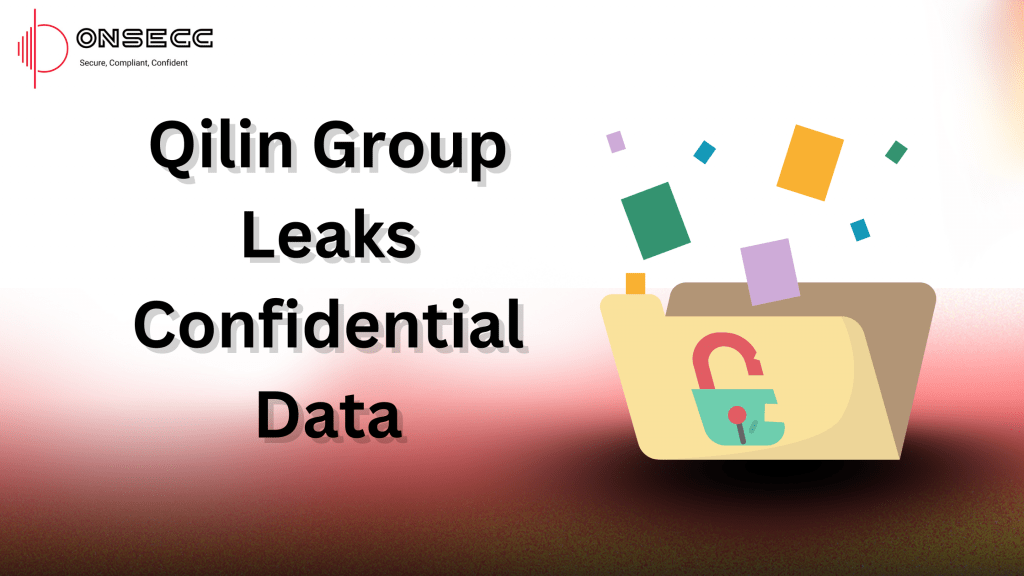
Cybersecurity Compliance Concerns Rise as Ransomware Strikes The Big Issue Is Ransomware a Threat to Your Business? Read This Before It’s Too Late. In this article, we’ll explore the growing issue of ransomware attacks and how you can protect your organization. Free Assessment Qilin Group Leaks Confidential Data – Cybersecurity Breach Exposes Vulnerabilities The Big Issue, a street newspaper advocating for the homeless and vulnerable, has fallen victim to a devastating ransomware attack by the notorious Qilin group. This cyber threat has exposed critical data through a dark web leak, raising concerns about cybersecurity compliance in the digital age. According to reports from The Record, the Qilin ransomware group has successfully infiltrated The Big Issue’s parent company’s systems, compromising a staggering 550 GB of confidential information. Shockingly, the group has leaked sensitive details, including driving licenses and salary information of key executives such as CEO Paul Cheal and social impact investment division head Danyal Sattar. Additionally, leaked documents contain staff passport scans, and employee data spreadsheets with full names, email addresses, home addresses, and banking details. This breach not only jeopardizes individual privacy but also highlights the urgent need for enhanced cybersecurity measures to prevent future attacks. Loading… In response to the cyber incident, Big Issue Group has taken immediate action to contain the breach, collaborating with external IT security experts to investigate the extent of the damage. While the investigation is ongoing, the company has assured stakeholders that they are working diligently to restore systems and minimize disruption. Despite the security breach, The Big Issue remains committed to its mission of supporting the homeless community and ensuring uninterrupted publication and distribution services. By engaging with external cybersecurity experts, law enforcement agencies, and regulatory bodies, the newspaper aims to address vulnerabilities and safeguard sensitive information from future threats. Qilin, also known as Agenda, operates as a ransomware-as-a-service entity, targeting organizations with advanced ransomware technologies developed in Rust and Go. Affiliates of Qilin collaborate to infect, encrypt, and exfiltrate data from targeted organizations, demanding ransom payments in exchange for decryption keys. Notable victims of Qilin ransomware attacks include automotive parts giant Yanfeng and court services in Australia, underscoring the global reach and impact of cyber threats in today’s interconnected world. As cybersecurity compliance becomes increasingly crucial, organizations must prioritize proactive measures to mitigate risks and protect valuable data assets. By reinforcing cybersecurity protocols, raising awareness about ransomware threats, and collaborating with industry experts like Onsecc, businesses can defend against malicious cyber attacks and uphold data integrity. Stay informed, stay vigilant, and stay protected in the face of evolving cybersecurity challenges. Book A Free Call Contact info 3rd Floor, 86-90 Paul Street, London, EC2A 4NE, UK +44-2034880245 hello@onsecc.com Free Assessment Meet Author Shubham Pandey Linkedin-in Share Blog On Linkedin-in Google-plus-g Download Free Assessment Guide of ISO 27001 : 2022 Icon-down-arrow1 Recent Posts: How Cybersecurity Compliance Boosts Business Maturity Business Continuity vs Disaster Recovery – Essential Distinctions for Onsecc Clients How to Comply with ISO 27001 Version 2022 The Hidden Costs of Silo Mentality: Why Collaboration is Key to Effective Cybersecurity Compliance Cybersecurity Regulations in the United States 2024 ISO 22301 Helps Companies Bounce Back Stronger After a Crisis Cloud Security Compliance ISO 27017 – 2015 Implementation PIIMS BS 10012-2017 Checklist: A Practical Roadmap to Data Protection Success FAQs I run a non-profit organization. Am I at risk of a cyberattack? Absolutely. Cybercriminals target all types of organizations, regardless of size or mission. Sensitive data like donor information or staff records can be valuable to attackers. What can I do to prevent a data breach like The Big Issue’s? Onsecc offers a variety of services to help you strengthen your defenses. Vulnerability assessments identify weaknesses in your systems, while employee training empowers your team to spot cyber threats. What if my organization is already under attack? Having an incident response plan in place can minimize damage and downtime. Onsecc can help you develop a plan to respond quickly and effectively to a cyberattack. I’m overwhelmed by cybersecurity. How can I get started? Start by taking small steps. Train your employees on basic cyber hygiene practices like using strong passwords and avoiding suspicious emails. Onsecc can also provide guidance on prioritizing your cybersecurity needs. Where can I learn more about protecting my organization? Onsecc offers a variety of resources, including blog posts and webinars, to help you stay informed about the latest cyber threats and best practices. We’re also happy to answer any questions you may have.

business maturity | onsecc
Cyber Security

How Cybersecurity Compliance Boosts Business Maturity

How Cybersecurity Compliance Boosts Business Maturity Every business owner wants to build a strong, secure, and efficient organization. But how do you measure progress on that journey? That’s where business maturity comes in. It’s like a ladder with rungs representing different levels of success. The higher you climb, the more streamlined and secure your business becomes. In This Article: Understanding Business Maturity: A Framework for Success Strengthening Foundations: The Importance of Business Processes Climbing the Maturity Ladder: Strategies for Success Embracing a Culture of Continuous Improvement Free Assessment Understanding Business Maturity: A Framework for Success Think about your own business. Are processes informal and reactive, or are they documented and consistently followed? This will tell you where you are on the maturity ladder. Here are the four main levels: Starting Out: Processes are informal and reactive. You might be flying by the seat of your pants! Finding Your Footing: Standardized processes are in place, but there might not be a lot of oversight. Building a Routine: Processes are documented and consistently followed, but there’s room for improvement. Master of Your Craft: Processes are continuously monitored and improved for maximum efficiency. You’re a well-oiled machine! By identifying where your organization falls on this maturity scale, you can pinpoint areas for improvement and create a roadmap for growth. Strengthening Foundations: The Importance of Business Processes Business processes serve as the backbone of an organization, guiding how tasks are performed and workflows are managed. Streamlining these processes is crucial for enhancing operational efficiency and laying the groundwork for increased maturity. Adopting Best Practices: The Cybersecurity Compliance Advantage A commitment to cybersecurity compliance offers several advantages that can propel your organization towards greater maturity: Enhanced Security: Compliance standards require essential security measures to protect your data and reputation. Streamlined Operations: Standardizing processes for data handling and security leads to increased operational efficiency. Customer Confidence: Demonstrating compliance builds trust with customers and attracts new business opportunities. Climbing the Maturity Ladder: Strategies for Success Achieving business maturity requires a strategic approach that integrates cybersecurity compliance into everyday operations. Here are some key strategies to help your organization climb the maturity ladder: Implementing a Robust Compliance Program Develop comprehensive policies and procedures that align with industry standards and regulations. Conduct regular security assessments and audits to identify vulnerabilities and address them promptly. Provide ongoing training and education for employees to promote a culture of security awareness. Investing in Technology Solutions Utilize advanced cybersecurity tools and technologies to enhance your organization’s defense against cyber threats. Implement secure data management systems to safeguard sensitive information and ensure regulatory compliance. Partnering with Experts Collaborate with cybersecurity experts like Onsecc to design and implement a tailored compliance program that meets your organization’s specific needs. Leverage external consulting services to gain valuable insights and guidance on optimizing your cybersecurity posture. Loading… Embracing a Culture of Continuous Improvement In today’s rapidly changing digital landscape, achieving business maturity is an ongoing journey rather than a destination. Embrace a mindset of continuous improvement and innovation to adapt to evolving threats and challenges. Key Takeaways: Elevating Business Maturity Through Cybersecurity Compliance Business maturity is essential for organizations looking to enhance operational efficiency and security. Cybersecurity compliance acts as a linchpin in driving business maturity by establishing strong security measures and fostering trust with stakeholders. By implementing a strategic approach that integrates compliance practices and technology solutions, organizations can make significant strides towards achieving maturity. In conclusion, prioritizing cybersecurity compliance is not just about meeting regulatory requirements—it’s about investing in the long-term success and resilience of your organization. By leveraging compliance as a driver for business maturity, you can navigate the complexities of the modern business landscape with confidence and clarity. Let’s continue to climb the ladder of success together, one secure step at a time. Book A Free Call Contact info 3rd Floor, 86-90 Paul Street, London, EC2A 4NE, UK +44-2034880245 hello@onsecc.com Free Assessment Meet Author Shubham Pandey Linkedin-in Share Blog On Linkedin-in Google-plus-g Download Free Assessment Guide of ISO 27001 : 2022 Icon-down-arrow1 Recent Posts: Business Continuity vs Disaster Recovery – Essential Distinctions for Onsecc Clients How to Comply with ISO 27001 Version 2022 The Hidden Costs of Silo Mentality: Why Collaboration is Key to Effective Cybersecurity Compliance Cybersecurity Regulations in the United States 2024 ISO 22301 Helps Companies Bounce Back Stronger After a Crisis Cloud Security Compliance ISO 27017 – 2015 Implementation PIIMS BS 10012-2017 Checklist: A Practical Roadmap to Data Protection Success How ISO 22301 Helps Companies Bounce Back Stronger After a Crisis FAQs My business is still growing. Is cybersecurity compliance relevant to me? Absolutely! Cybersecurity threats can impact businesses of all sizes. A strong compliance program helps safeguard your data and reputation, building trust with customers from the start. This can give you a competitive edge as you grow. I don’t have a lot of time or resources. How can I improve my business maturity? Onsecc can help! We offer scalable compliance solutions that fit your specific needs. We can guide you through the process, saving you time and ensuring you’re on the right track. What if I’m not sure where my business stands on the maturity ladder? Onsecc can conduct a maturity assessment to identify your strengths and weaknesses. This will help you create a roadmap for improvement and prioritize your compliance efforts. Standardized processes sound good, but how will they make my business more efficient? Streamlined processes for data handling and security eliminate confusion and wasted time. You’ll find your team can work more efficiently and focus on what matters most – growing your business. Is there anything I can do right now to improve my cybersecurity posture? Yes! Start by educating your employees about common cyber threats. Onsecc also offers cybersecurity awareness training programs to equip your team with the knowledge they need to stay safe online.

Business Continuity vs Disaster Recovery | Onsecc
Cyber Security

Business Continuity vs Disaster Recovery – Essential Distinctions for Onsecc Clients

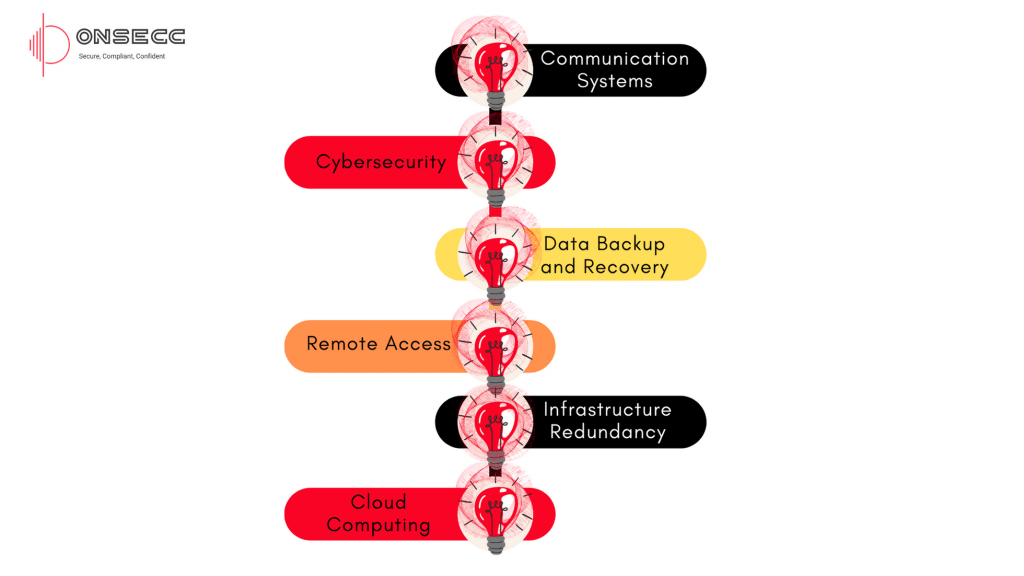
Business Continuity vs Disaster Recovery – Essential Distinctions for Onsecc Clients In today’s volatile business world, the ability to navigate potential disasters is paramount. Consider the impact of events like the COVID-19 pandemic, which forced countless businesses to shutter due to inadequate preparedness. This underscores the critical importance of distinguishing between business continuity vs disaster recovery strategies. In this Article: Business Continuity vs Disaster Recovery – Key Differentiators Importance of Business Continuity and Disaster Recovery Choosing Between Business Continuity and Disaster Recovery Similarities Between Business Continuity and Disaster Recovery Technology Considerations for Business Continuity and Disaster Recovery Conclusion Free Assessment Business Continuity vs Disaster Recovery – Key Differentiators What is Business Continuity? Business continuity involves an organization’s preparedness to maintain operations despite incidents such as cyber-attacks, security breaches, or natural disasters. A robust Business Continuity Plan (BCP) is essential, serving as a blueprint for effective risk management and swift recovery. What is Disaster Recovery? Disaster recovery, an integral facet of business continuity, focuses on restoring IT infrastructure, access, and functionality following incidents like natural disasters, cyberattacks, or operational disruptions. A well-defined disaster recovery plan (DRP) acts as a safety net, outlining steps and protocols to recover organizational data, infrastructure, and technology. Aspect Business Continuity Disaster Recovery Purpose Ensures continuity of business operations during and after a disruption Focuses on restoring IT systems and data post-disaster Planning Scope Includes operational procedures, staffing, communication, and supply chain management Primarily involves recovering critical systems and data Main Goal To maintain business functions despite disruptions To minimize downtime and restore IT functionality quickly Safety Measures Focuses on business operations and employee safety Mainly concerned with IT system restoration Communication Ensures communication methods continue functioning Ensures the organization’s ability to return to full functionality Incorporation in Plans May include elements of disaster recovery plans May be part of broader business continuity planning Loading… Components of a Business Continuity Plan Identification of critical processes essential for seamless functionality post-disaster. Focus on maintaining customer services and supporting business partners. Documentation of vital business functions, key contacts, and crucial resources for rapid recovery. Components of a Disaster Recovery Plan Evaluation and selection of appropriate data recovery systems and tools. Establishment of clear Recovery Time Objectives (RTO) and Recovery Point Objectives (RPO). Development of comprehensive protocols delineating roles, responsibilities, and procedures for smooth recovery operations. Importance of Business Continuity and Disaster Recovery These plans are pivotal in safeguarding organizations against threats like natural disasters, cyber-attacks, and data breaches. They mitigate losses, improve operational resilience, and build trust among stakeholders by ensuring continuity of services during challenging times. Choosing Between Business Continuity and Disaster Recovery Selecting the appropriate strategy is crucial for enhancing resilience to operational disruptions. Understanding the distinctions between BCP and DRP aids in making informed decisions aligned with Onsecc clients’ specific objectives and requirements. Similarities Between Business Continuity and Disaster Recovery Despite their distinct focuses, BCP and DRP share similarities such as a proactive approach, adaptability to various crises, emphasis on continuous improvement, and leveraging technology to minimize disruption. Technology Considerations for Business Continuity and Disaster Recovery Technology Considerations Description Data Backup and Recovery Essential for ensuring critical data can be restored after a disaster, with regular testing for accuracy Infrastructure Redundancy Implementation of backup power, network connectivity, and server hardware to maintain critical systems Cloud Computing Utilization of cloud-based backup and recovery solutions or migration of critical systems to the cloud Remote Access Provision of secure remote access solutions for employees to work from alternative locations Cybersecurity Implementation and maintenance of up-to-date cybersecurity measures to prevent cyberattacks Communication Systems Deployment of redundant communication channels such as phones, email, and instant messaging Testing Business Plans Regular testing of both business continuity and disaster recovery plans to identify and address weaknesses Technology Considerations for Business Continuity and Disaster Recovery Conclusion Differentiating between business continuity and disaster recovery is essential for fortifying organizations against potential disruptions. Onsecc’s expertise in crafting comprehensive compliance solutions tailored to each client’s unique needs ensures resilience and minimizes the fallout from unforeseen events. Contact Onsecc to fortify your business against potential disruptions today. Book A Free Call Contact info 3rd Floor, 86-90 Paul Street, London, EC2A 4NE, UK +44-2034880245 hello@onsecc.com Free Assessment Meet Author Shubham Pandey Linkedin-in Share Blog On Linkedin-in Google-plus-g Download Free Assessment Guide of ISO 27001 : 2022 Icon-down-arrow1 Recent Posts: Business Continuity vs Disaster Recovery – Essential Distinctions for Onsecc Clients How to Comply with ISO 27001 Version 2022 The Hidden Costs of Silo Mentality: Why Collaboration is Key to Effective Cybersecurity Compliance Cybersecurity Regulations in the United States 2024 ISO 22301 Helps Companies Bounce Back Stronger After a Crisis Cloud Security Compliance ISO 27017 – 2015 Implementation PIIMS BS 10012-2017 Checklist: A Practical Roadmap to Data Protection Success How ISO 22301 Helps Companies Bounce Back Stronger After a Crisis FAQs What is Onsecc’s role in business continuity and disaster recovery? Onsecc provides cybersecurity compliance solutions that contribute to both business continuity and disaster recovery by ensuring regulatory compliance, protecting data, and minimizing risks of disruptions. How does Onsecc support business continuity efforts? Onsecc helps businesses develop comprehensive plans by offering expertise in cybersecurity compliance, risk management, and technology solutions tailored to maintain operations during disruptions. Can Onsecc assist with disaster recovery planning? Yes, Onsecc offers services and tools to enhance disaster recovery strategies, including data backup solutions, IT infrastructure assessments, and incident response planning. Why should businesses consider partnering with Onsecc for continuity and recovery? Onsecc specializes in addressing the specific compliance needs of industries like healthcare, finance, and technology, providing tailored solutions to ensure resilience against disruptions. How does Onsecc ensure the effectiveness of continuity and recovery plans? Onsecc conducts regular assessments, updates, and training to ensure that continuity and recovery plans are robust, compliant, and aligned with industry standards and best practices.

ISO 27001 : 2022 | Onsecc
Cyber Security

How to Comply with ISO 27001 Version 2022

How to Comply with ISO 27001 Version 2022 Achieving certification to ISO/IEC 27001 stands as a concrete testament to your steadfast dedication and capability in adeptly overseeing information with paramount security and safety measures. Possessing a certificate endorsed by an accredited conformity assessment entity can amplify trust, as it denotes independent validation from an accreditation body regarding the proficiency of the certification body. By aligning with ISO 27001 Version 2022 and harnessing Onsecc’s proficiency, organizations can not merely mitigate risks and safeguard sensitive data but also underscore their resolute dedication to attaining cybersecurity excellence. In this article, we will understand how to comply with ISO 27001:2022. In This Article: Conduct a thorough gap analysis to identify existing security measures and areas for improvement. Develop an information security policy that aligns with the requirements of ISO 27001 Version 2022. Define roles and responsibilities for information security management within the organization. Implement technical and organizational security controls to mitigate identified risks. Conduct regular audits and assessments to ensure compliance with the standard. Loading… Onsecc’s Guidance for ISO 27001 Compliance Onsecc is a leading provider of cybersecurity consulting services, offering expertise in implementing ISO 27001 compliance programs. Their guidance can help organizations navigate the complexities of ISO 27001 Version 2022 and achieve certification. Benefits of Onsecc’s Approach Tailored solutions based on the unique needs and challenges of each organization. Practical implementation strategies that align with industry best practices. Ongoing support and training to maintain compliance over time. Case Study: Company A’s Journey to ISO 27001 Compliance Company A partnered with Onsecc to achieve ISO 27001 certification following the latest version of the standard. Through Onsecc’s guidance, Company A was able to streamline its information security processes, strengthen its defences against cyber threats, and demonstrate its commitment to protecting customer data. “Working with Onsecc was a game-changer for our organization. Their expertise and support were instrumental in helping us achieve ISO 27001 compliance and improve our overall cybersecurity posture.” – CEO, Company A ISO 27001 Life Cycle (2013 – 2022) Stage Description (Pre-2022) Description (2022 and After) Plan Address non-conformities, and improve ISMS based on findings. Address non-conformities, and improve ISMS based on findings. Do (Implement) Implement chosen controls based on risk assessment. Implement chosen controls based on risk assessment. Check (Monitor & Review) Define scope, conduct risk assessment, and develop ISMS. Monitor and review the effectiveness of controls, and conduct audits. Act (Improve) Define scope, conduct risk assessment, and develop ISMS. Address non-conformities, improve ISMS based on findings. Life Cycle Key Points: The core Deming Cycle (Plan-Do-Check-Act) remains the foundation for both versions. No significant changes occurred in the core life cycle stages between 2013 and 2022. Additional Notes: The 2022 revision introduced some changes in terminology and emphasis within the standard. While the life cycle itself remains the same, the way organizations achieve compliance may differ slightly due to the updated controls in Annex A (security controls). ISO 27001: 2013 vs. 2022 Key Differences Feature ISO 27001:2013 ISO 27001:2022 Annex A Controls 114 controls categorized into 14 sections 93 controls categorized into 4 thematic groups   (e.g., Security Policy, Access Control) (e.g., Organizational, People, Physical, Technical) Control Changes – No controls removed – 11 New controls added (e.g., Threat Intelligence)   – 57 controls merged into 24 controls – 23 controls renamed Clauses Same number (10) but with minor wording revisions Minor updates for alignment with other ISO standards Focus Emphasizes risk assessment and control selection Emphasizes understanding stakeholder needs and risk context Key Differences Additional Notes: Organizations certified under 2013 have a transition period to adapt to the 2022 standard. The core Information Security Management System (ISMS) life cycle (Plan-Do-Check-Act) remains unchanged. Conclusion Complying with ISO 27001 Version 2022 is a critical step towards strengthening information security and building trust with stakeholders. By following the guidelines provided by Onsecc and implementing robust security measures, organizations can mitigate risks, protect sensitive data, and demonstrate their commitment to cybersecurity best practices. Stay ahead of the curve and safeguard your organization’s digital assets by embracing ISO 27001 compliance with Onsecc’s expert guidance. Remember, cybersecurity is an ongoing process, and continuous improvement is key to staying resilient against evolving threats in the digital age. Source:https://www.iso.org/standard/27001, ISO 27001:2013 to ISO 27001:2022 – Gabriel Bidot, https://advisera.com/27001academy/knowledgebase/list-of-mandatory-documents-required-by-iso-27001-revision/ Book A Free Call Contact info 3rd Floor, 86-90 Paul Street, London, EC2A 4NE, UK +44-2034880245 hello@onsecc.com Free Assessment Meet Author Shubham Pandey Linkedin-in Share Blog On Linkedin-in Google-plus-g Download Free Assessment Guide of ISO 27001 : 2022 Icon-down-arrow1 Recent Posts: The Hidden Costs of Silo Mentality: Why Collaboration is Key to Effective Cybersecurity Compliance Cybersecurity Regulations in the United States 2024 ISO 22301 Helps Companies Bounce Back Stronger After a Crisis Cloud Security Compliance ISO 27017 – 2015 Implementation PIIMS BS 10012-2017 Checklist: A Practical Roadmap to Data Protection Success How ISO 22301 Helps Companies Bounce Back Stronger After a Crisis IT Compliance Navigating: Onsecc Puts Your Business on the Right Track Your portable Compliance Manager: Onsecc FAQs What are the key enhancements in ISO 27001 Version 2022 compared to the previous version? ISO 27001 Version 2022 introduces updates such as enhanced risk assessment methodologies, stronger emphasis on data protection and privacy, integration of cybersecurity measures with overall business processes, and continuous monitoring and improvement of information security controls. How can Onsecc’s guidance help our organization achieve ISO 27001 compliance effectively? Onsecc offers tailored solutions based on our organization’s unique needs and challenges, practical implementation strategies aligned with industry best practices, and ongoing support and training to maintain compliance over time. What are the benefits of aligning with ISO 27001 Version 2022 and leveraging Onsecc’s expertise? By aligning with ISO 27001 Version 2022 and utilizing Onsecc’s proficiency, organizations can not only mitigate risks and safeguard sensitive data but also underscore their resolute dedication to attaining cybersecurity excellence. Can you provide a real-world example of how Onsecc has helped an organization achieve ISO 27001 compliance? Company A partnered with Onsecc to achieve ISO 27001 certification, streamlining their information security processes,

Silo Mentality | Cybersecurity Compliance | Onsecc
Cyber Security

The Hidden Costs of Silo Mentality: Why Collaboration is Key to Effective Cybersecurity Compliance

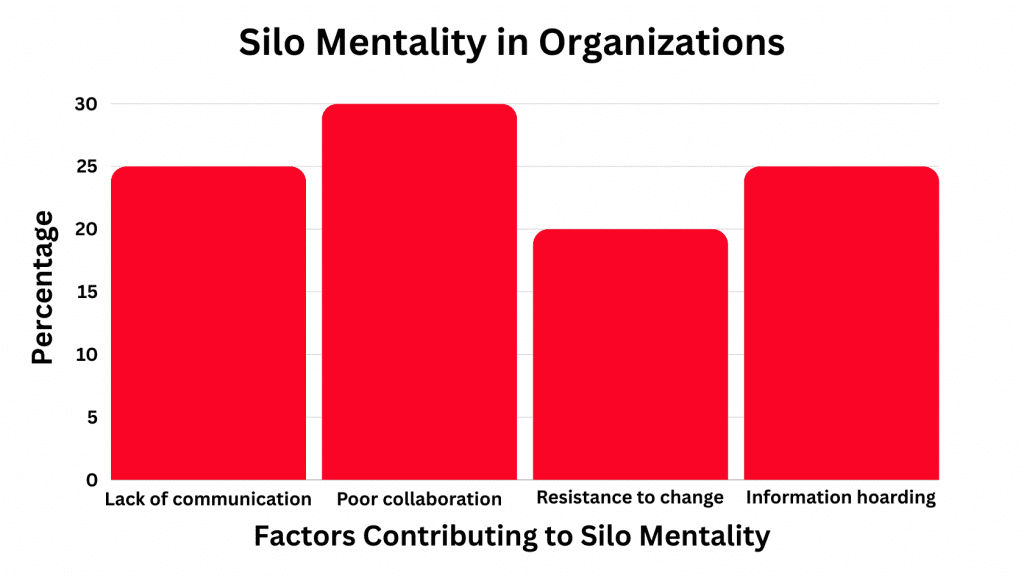
The Hidden Costs of Silo Mentality: Why Collaboration is Key to Effective Cybersecurity Compliance Silo mentality within organizations erects invisible walls, hindering information sharing and creating blind spots in cybersecurity. This lack of collaboration leaves organizations vulnerable to sophisticated cyberattacks and exposes them to compliance gaps. This article delves into the hidden costs of siloed work environments, including increased vulnerabilities, compliance gaps, and inefficient incident response. In This Article: What is Silo Mentality and How Does it Threaten Your Cybersecurity? Understanding Silo Mentality in Cybersecurity The Hidden Costs of Silo Mentality in Cybersecurity Compliance The Role of Collaboration in Effective Cybersecurity Compliance 7 Ways to Break Down Silos and Build a Collaborative Cybersecurity Culture Early Warning Signs of Silo Mentality in Your Organization The Benefits of Overcoming Silo Mentality for Cybersecurity Onsecc: Your Partner in Building a Collaborative Cybersecurity Culture Conclusion: Breaking Down Silos for a More Secure Tomorrow Free Assessment Visit Now: Explore our extended range of services to enhance your business’s capabilities and success. What is Silo Mentality and How Does it Threaten Your Cybersecurity? In today’s rapidly evolving digital landscape, cybersecurity compliance is a top priority for organizations across the globe. With cyber threats becoming more sophisticated and prevalent, it is crucial for companies to implement robust security measures to protect their sensitive data and ensure regulatory compliance. However, one of the key challenges that many organizations face in achieving effective cybersecurity compliance is the presence of silo mentality within their teams. Understanding Silo Mentality in Cybersecurity Silo mentality refers to the mindset where different departments or teams within an organization operate in isolation, with limited communication and collaboration. In the context of cybersecurity, silo mentality can manifest in various ways, such as: Limited Information Sharing: When different departments, such as IT, security, and compliance, operate in silos, there is a lack of information sharing and coordination. This can lead to gaps in security measures, as critical information related to cyber threats may not be effectively communicated across the organization. Lack of Cross-Functional Collaboration: Effective cybersecurity compliance requires collaboration between various departments, including IT, legal, compliance, and risk management. When these departments work in silos, there is a risk of overlooking critical security vulnerabilities and compliance requirements. Duplication of Efforts: Silo mentality can also result in duplication of efforts, with different teams working on similar tasks independently. This not only wastes resources but also increases the risk of inconsistencies in security controls and compliance practices. The Hidden Costs of Silo Mentality in Cybersecurity Compliance While silo mentality may seem like a minor issue, its impact on cybersecurity compliance can be significant. Here are some of the hidden costs associated with silo mentality in cybersecurity: Increased Vulnerabilities: When different teams within an organization operate in silos, there is a higher risk of overlooking vulnerabilities in the network, applications, and systems. This can leave the organization exposed to cyber threats, leading to data breaches and compliance violations. Compliance Gaps: Silo mentality can result in compliance gaps, where certain departments are not aware of the regulatory requirements that apply to their work. This can lead to non-compliance with laws such as GDPR, HIPAA, or PCI DSS, exposing the organization to legal and financial risks. Inefficient Incident Response: In the event of a cybersecurity incident, such as a data breach or a ransomware attack, an organization’s ability to respond effectively depends on collaboration and communication between different departments. Silo mentality can hamper incident response efforts, delaying containment and mitigation actions. Stifled Innovation: Collaboration is essential for driving innovation in cybersecurity practices and technologies. When teams work in silos, there is limited knowledge sharing and cross-pollination of ideas, stifling innovation and hindering the organization’s ability to stay ahead of cyber threats. Loading… The Role of Collaboration in Effective Cybersecurity Compliance To address the hidden costs of silo mentality and enhance cybersecurity compliance, organizations must prioritize collaboration across departments and teams. Here are some key ways in which collaboration can improve cybersecurity posture: Shared Threat Intelligence: Collaboration enables the sharing of threat intelligence across different departments, allowing organizations to proactively identify and respond to emerging cyber threats. By pooling their knowledge and resources, teams can create a unified front against cyber attacks. Cross-Functional Training: Training programs that involve employees from various departments can help build a strong cybersecurity culture within the organization. By educating staff on security best practices and compliance requirements, organizations can reduce the risk of human error and improve overall security posture. Integrated Security Controls: Collaboration between IT, security, and compliance teams is essential for implementing integrated security controls that address both security risks and compliance requirements. By working together, teams can ensure that security measures are aligned with regulatory standards and industry best practices. Incident Response Planning: Collaborative incident response planning is crucial for effectively handling cybersecurity incidents. By involving representatives from different departments in incident response exercises and tabletop simulations, organizations can improve their preparedness and resilience in the face of cyber threats. 7 Ways to Break Down Silos and Build a Collaborative Cybersecurity Culture Implementing a collaborative cybersecurity culture requires a concerted effort from leadership and employees at all levels of the organization. Here are some strategies to promote collaboration and break down silos in cybersecurity: Leadership Buy-In: Senior executives, including CEOs, CTOs, and CIOs, must demonstrate a commitment to collaboration and communication across departments. By setting the tone from the top, leadership can foster a culture of teamwork and shared responsibility for cybersecurity. Cross-Functional Teams: Creating cross-functional teams that include members from IT, security, compliance, and other relevant departments can help break down silos and promote collaboration. These teams can work together on key cybersecurity initiatives, such as risk assessments, compliance audits, and incident response planning. Regular Communication: Establishing regular communication channels, such as meetings, updates, and reports, can facilitate information sharing and collaboration among different teams. By keeping all stakeholders informed about cybersecurity developments and compliance requirements, organizations can enhance their overall security posture. Training and Awareness Programs: Providing comprehensive training and awareness programs

Scroll to Top